

What I Learned the Hard Way: Why Naples Integrated Recovery Exists
Systemic dysfunction in mental health—burnout, exploitation, and unsafe workloads—pushes good clinicians out. Naples Integrated Recovery was built intentionally lean and ethical, with clean documentation, transparency, and uncompromising clinical standards at its core. - Brian Granneman, LMHC, CAP, CCTP Naples Integrated Recovery
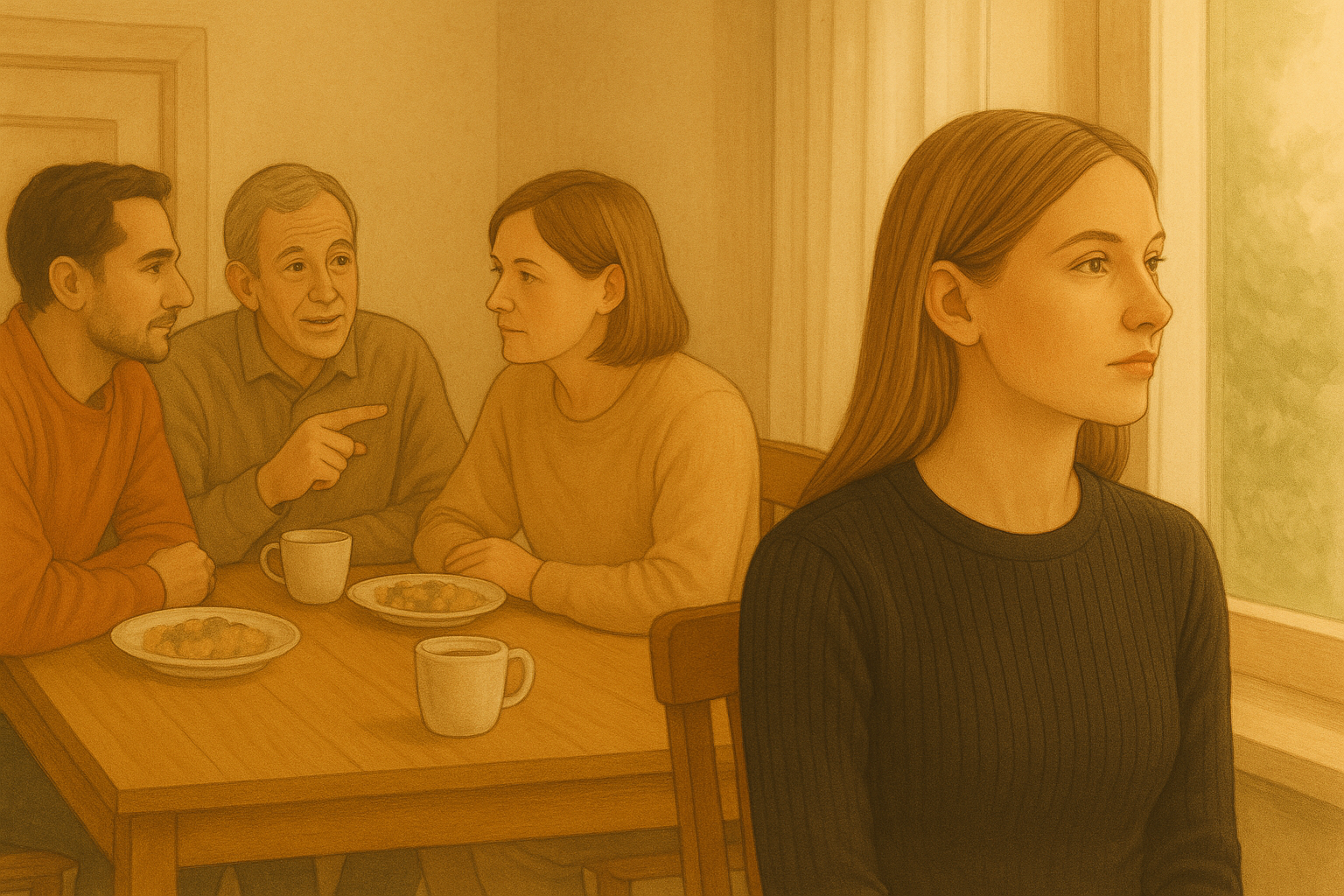
The “Let Them” Mindset: Differentiation and Emotional Maturity in Practice
Learn how differentiation and emotional maturity can transform family relationships. This post explores how to love difficult people without losing yourself—balancing compassion with boundaries, calm with clarity, and connection with individuality. Featuring insights on Stoicism, “Let Them” mindset, and family systems. Brian Granneman, LMHC, CAP, CCTP Naples Integrated Recovery
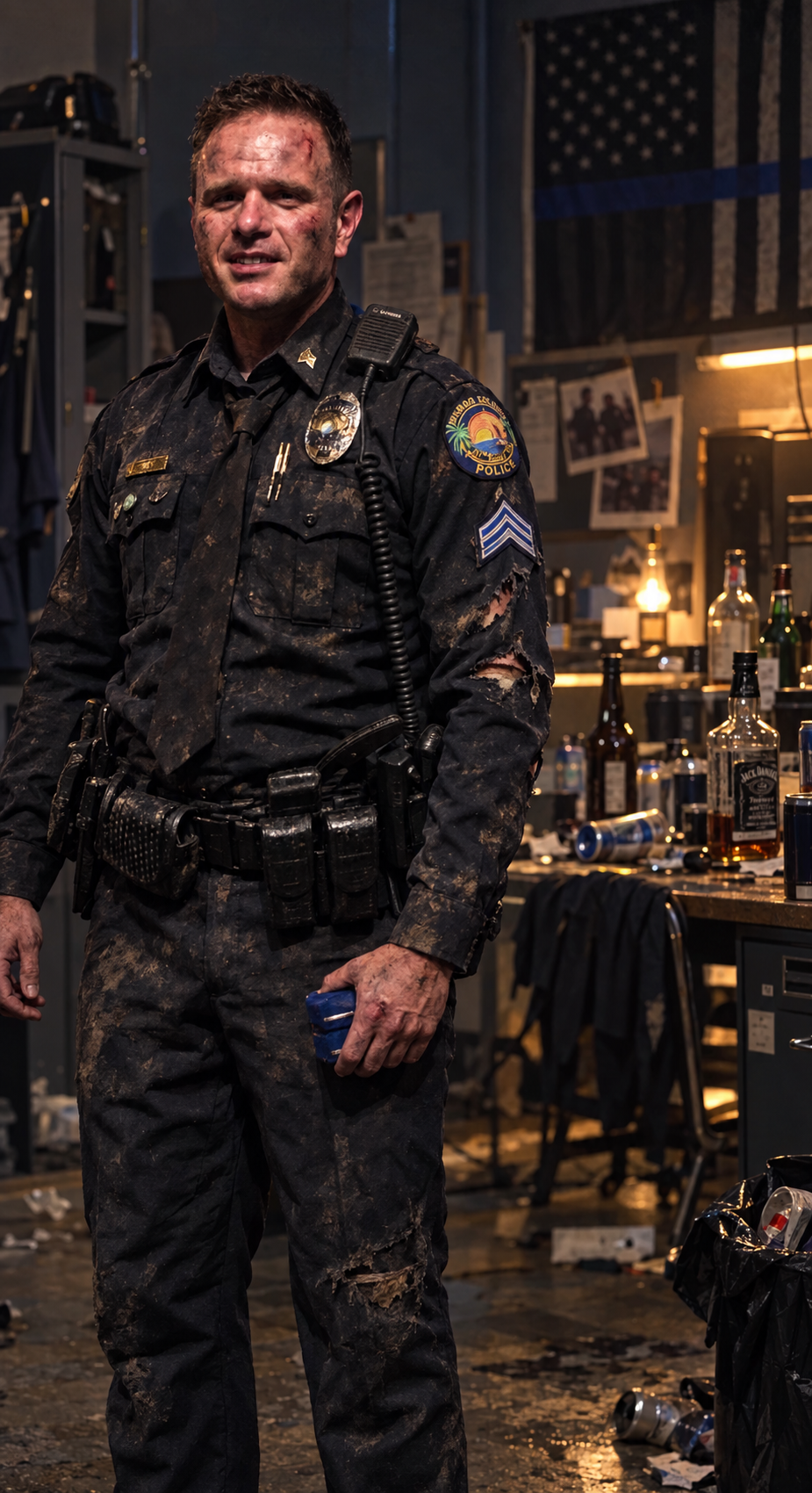
More Than Tough: The Real Work of Being a Man
We teach men that toughness means silence, but true strength begins with self-awareness. Drawing from law enforcement, Stoicism, and modern psychology, this essay explores how vulnerability, emotional mastery, and courage redefine what it really means to be a man. Brian Granneman, LMHC, CAP, CCTP, Naples Integrated Recovery

What My Pitbull Honey Taught Me About Recovery, Impulse, and Grace
A grounded look at addiction, impulse, and recovery through the lens of neurobiology and the lessons learned from my pitbull Honey. Explores dopamine wiring, resilience, shame reduction, and how instinct meets accountability. A compassionate narrative about healing, discipline, and choosing to come home.
Brian Granneman, LMHC, CAP, CCTP, Naples Integrated Recovery

Doing the Work
“Doing the Work” explores the real meaning of inner healing beyond therapy clichés—through the lens of Internal Family Systems (IFS), recovery, and spirituality. It examines how we face our exiled parts, integrate shadow work, and move from seeking external validation to self-led wholeness and authentic connection.
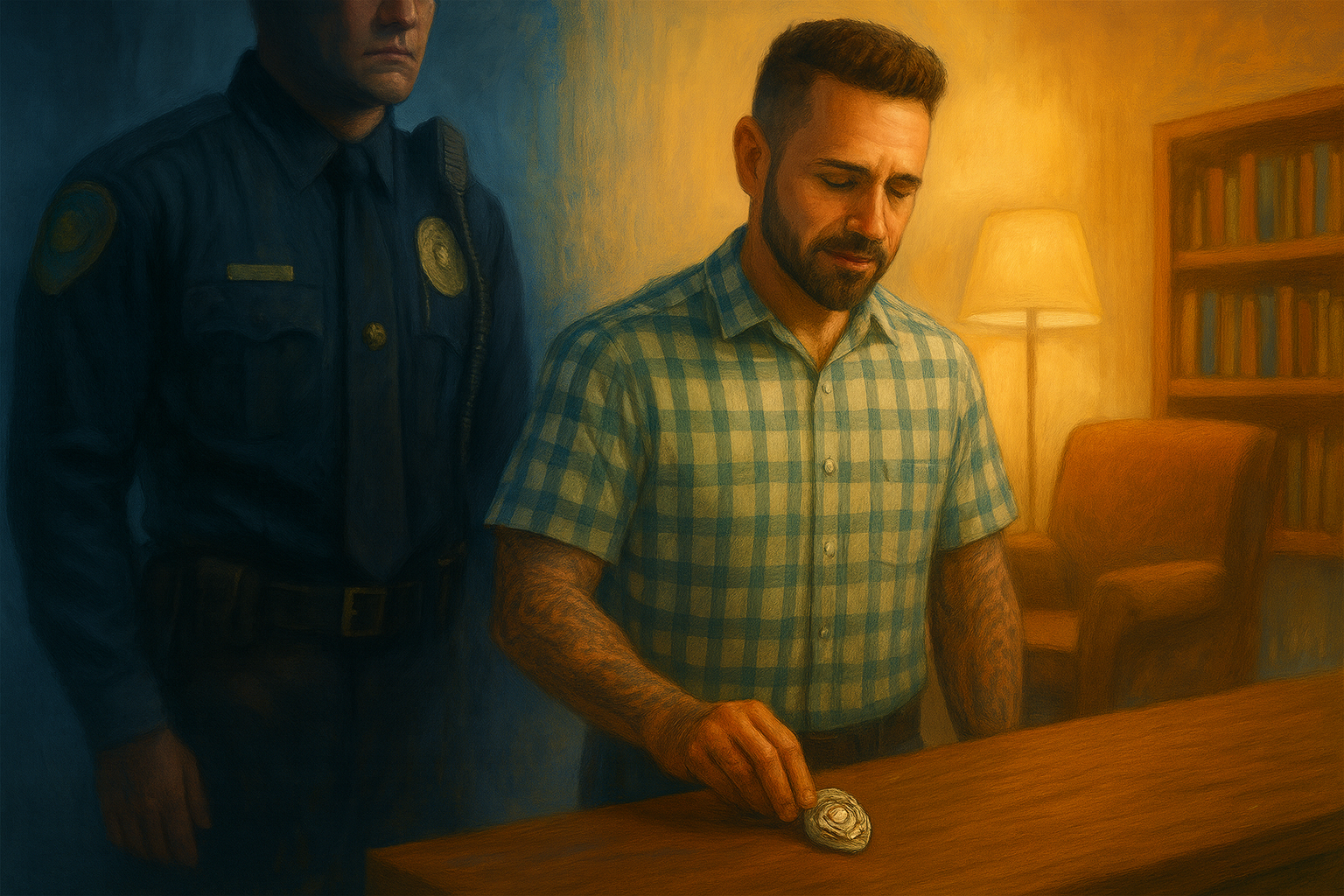
Reading the Room: Where Safety, Bias, and Accountability Intersect
A grounded look at how instinct, conditioning, and personal responsibility shape the way we read safety and tension in others. Blends trauma-awareness with accountability, Stoicism, and real-world experience to explore honest dialogue without shame or performative morality. Brian Granneman, LMHC, CAP, CCTP, Naples Integrated Recovery

Inside the Work: Rebuilding Connection Without Blame
Inside Work: Rebuilding Connection Without Blame - explore how couples can rebuild emotional safety and intimacy by shifting from blame to curiosity, accountability, and honest repair. Practical tools for navigating conflict, deepening trust, and restoring connection with empathy. Brian Granneman, LMHC, Naples Integrated Recovery.

The Psychology of Anger: How to Think Clearly When You’re upset
Learn evidence-based ways to manage anger, challenge rigid thinking, and regain control of your emotions using tools drawn from psychology and ancient wisdom. Explore practical strategies for emotional balance, resilience, and healthier relationships through effective anger management. Brian Granneman, LMHC, CAP, CCTP, Naples Integrated Recovery
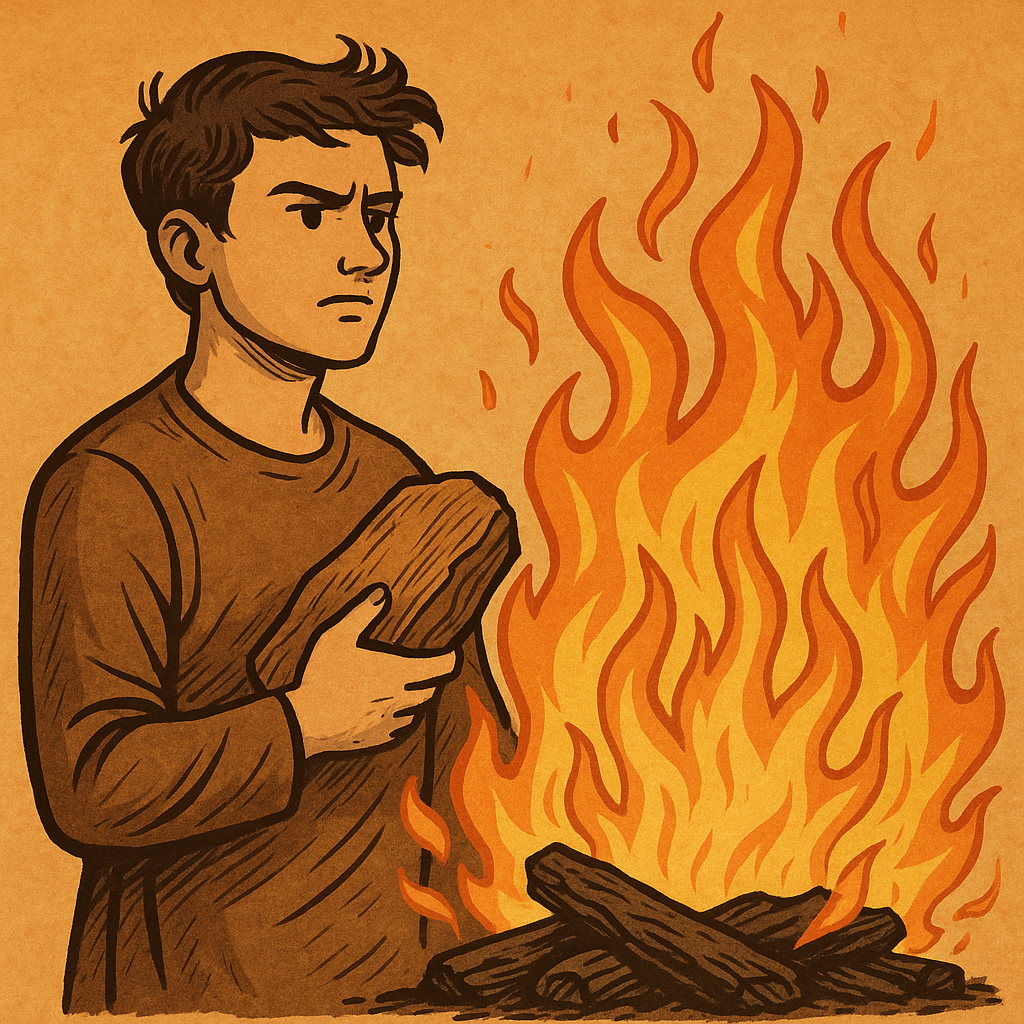
Turning Pain into Fuel Instead of Suffering
Amor Fati—the Stoic and Nietzschean concept of loving one’s fate—teaches us to embrace challenges, not just endure them. This mindset turns adversity into fuel for growth, helping us find meaning, resilience, and purpose in even the hardest experiences. Learn how to transform pain into power through radical acceptance. Brian Granneman, LMHC, CAP, CCTP, Naples Integrated Recovery

Embracing Fate: My Journey of Surrender and Renewal
From losing a law enforcement career to building a thriving private practice, this memoir explores how Stoicism, Amor Fati, and surrender to life’s plan can transform suffering into peace. Through addiction recovery, career loss, and starting over, discover how embracing fate opens unexpected doors and leads to growth, healing, and purpose. Brian Granneman, LMHC, CAP, CCTP, Naples Integrated Recovery

Stop When the Bell Rings: A 1,500-Year-Old Mindfulness Trick for Modern Life
Adapt the ancient monastic bell practice—stopping mid-task at its toll—into a secular mindfulness habit. Learn how this centuries-old discipline can break autopilot, calm the nervous system, and help you live more intentionally, no religion required. Brian Granneman, LMHC, CAP, CCTP, Naples Integrated Recovery

Finding Peace in a World on Fire
In the wake of Charlie Kirk’s death, online vitriol left me asking: not how to fix the world, but how to keep my own peace. By recognizing the poisons of ignorance, greed, and hatred—and practicing their antidotes of wisdom, gratitude, and loving kindness—I’ve found small ways to stay grounded in compassion, even in times of chaos. Brian Granneman, LMHC, CAP, CCTP, Naples Integrated Recovery

The Neuroscience of Revenge, and Why Forgiveness Is a Real Brain Intervention
Explore the neuroscience of revenge and forgiveness—why humiliation triggers the brain’s pain and reward circuits, how dopamine fuels retaliation cravings, and why forgiveness is a brain-based intervention, not just a spiritual ideal. Learn a practical “Mental Court” technique to gain accountability without harm, reduce rumination, restore self-control, and protect your future. Brian Granneman, LMHC, CAP, CCTP, Naples Integrated Recovery

Why Am I Reacting Like This? Understanding Emotional Triggers and What to Do About Them
Emotional triggers arise from old protective parts reacting to present-day stress. Understanding these IFS patterns — and practicing skills like grounding, curiosity, and nervous-system regulation — helps you respond instead of react. Learn how to work with your parts and build real emotional stability.
Brian Granneman, LMHC, CAP, CCTP, Naples Integrated Recovery

Why Kindness Still Matters in an Age of Outrage
In a world fueled by outrage, is empathy a weakness—or our last hope? Explore empathy’s role in justice, civilization, and personal growth. Drawing on Stoic philosophy, historical examples, and modern critiques, it argues that empathy isn’t naive—it’s necessary for a functioning, humane society. Brian Granneman, MA, LMHC, CAP, CCTP — Naples Integrated Recovery.

Voluntary Discomfort: Resistance Training for the Soul
Comfort may feel safe, but it’s secretly limiting your growth. In this deep dive into resistance, we explore how fear, discomfort, and hesitation are not signs of failure—but invitations to grow. Learn how embracing discomfort can train your nervous system, build resilience, and unlock the life you actually want. Brian Granneman, MA, LMHC, CAP, CCTP — Naples Integrated Recovery.

Consistency, Outrage, and Looking in the Mirror
Consistency in politics collapses when outrage is selective. People denounce “tyranny” only when it helps their side, ignoring the same behavior when it benefits their own group. A Stoic lens calls for accountability, steadiness, and holding principles above tribal loyalty.
Brian Granneman, LMHC, CAP, CCTP, Naples Integrated Recovery

Healing from Childhood Trauma: A Guide for Adult Children of ADDICTION AND DYSFUNCTION
Adult Children of Alcoholics often carry fear, hypervigilance, and people-pleasing into adulthood. These patterns come from growing up in chaotic, emotionally unpredictable homes. Healing means reparenting the inner child, breaking survival patterns, and building real emotional safety. Recovery is possible.
Brian Granneman, LMHC, CAP, CCTP, Naples Integrated Recovery

Free Won’t: Using Your Prefrontal Cortex Veto
Explore how determinism, neuroscience, and Stoic philosophy shape the debate on free will, highlighting the power of “free won’t” — the ability to pause, veto impulses, and choose intentional action. Brian Granneman, LMHC, CAP, CCTP, Naples Integrated Recovery

Allowing Your Emotions: Why Feeling is the First Step Toward Healing
Emotions don’t disappear when ignored—they resurface through anxiety, burnout, and disconnection. Healing begins by naming what you feel, creating space for vulnerability, and getting curious instead of suppressing. Emotional honesty restores clarity and regulation.
Brian Granneman, LMHC, CAP, CCTP
Naples Integrated Recovery