

How Am I Supposed to Know What’s Real Now After the Betrayal?
When infidelity or another major betrayal enters a relationship, rebuilding trust involves more than deciding whether to stay together. A changed explanation, missing detail, half-truth, or omission can bring the original betrayal right back into the room. In my work providing couples and marriage counseling in Naples, Florida, I often focus on this part of affair recovery: how two people rebuild a shared sense of reality after trust has been fractured.

When Fighting for Fairness Starts Costing You
What do you do when you have every reason to be angry, the problem is still happening, and fighting for fairness starts taking over your life? I look at what repeated conflict does to trust, how easily self-protection turns into hypervigilance, and what happens when fairness, money, responsibility, self-respect, and peace of mind all start competing. Amor fati and radical acceptance become practical here: dealing with the life that actually showed up and deciding how much of your energy the fight deserves.

Would You Still Be Angry if he was Blind?
Compassion can help us understand the blindness behind destructive behavior while still naming harm, setting boundaries, and allowing consequences. This article explores anger, accountability, self-compassion, recovery, Buddhism, Stoicism, and IFS—and how to respond to harm without becoming organized around punishment. Brian Granneman, LMHC, CAP, CCTP | Naples Integrated Recovery
When Anger Outlives Its Usefulness
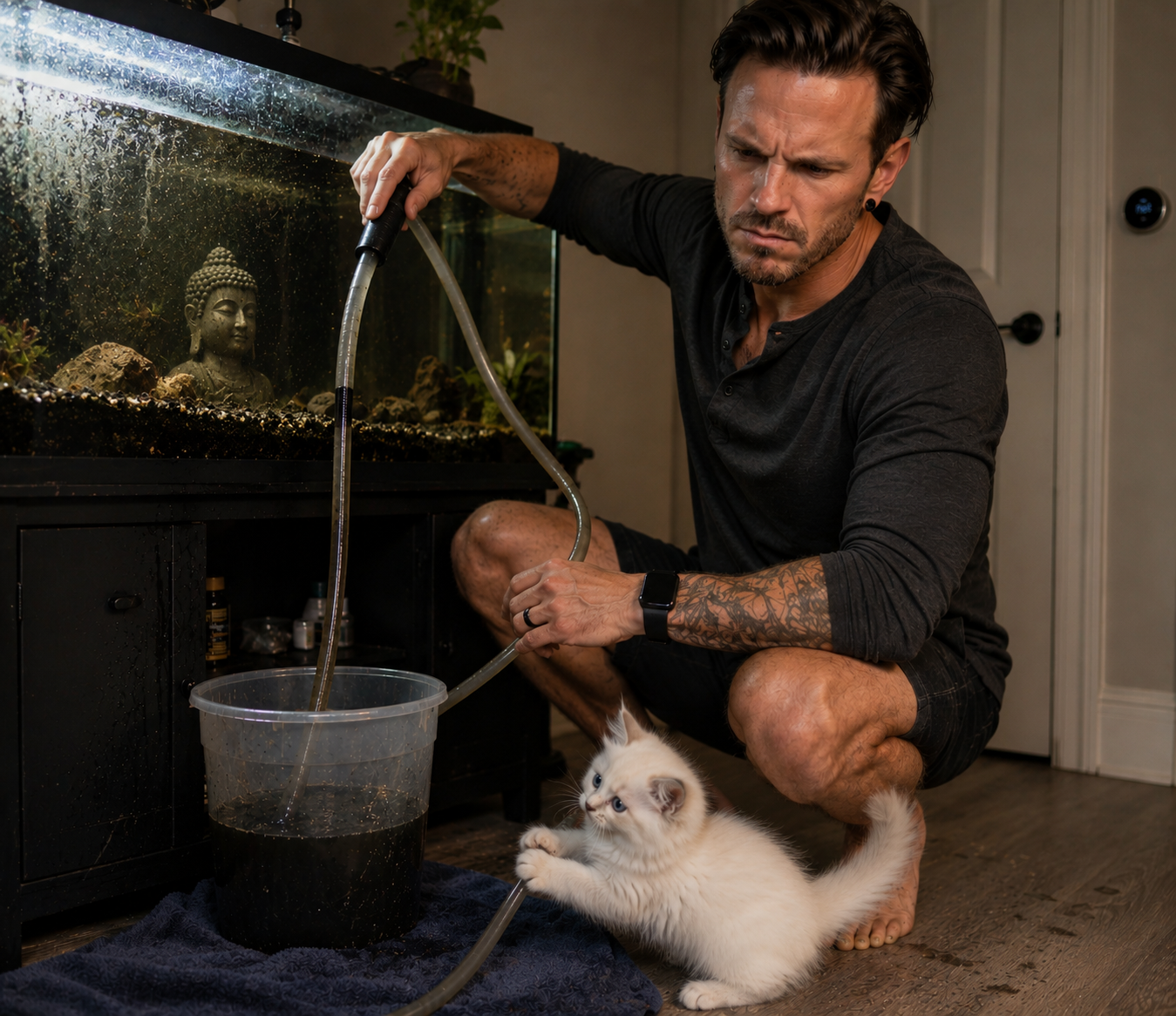
Anger can be useful when something needs to change. The harder part comes when the crisis is over, the boundary has been set, and you’re still angry. This article explores lingering anger, rumination, helplessness, grief, and how to recognize when anger has finished its job.
When You Just Need Them to Admit It (and they won’t)
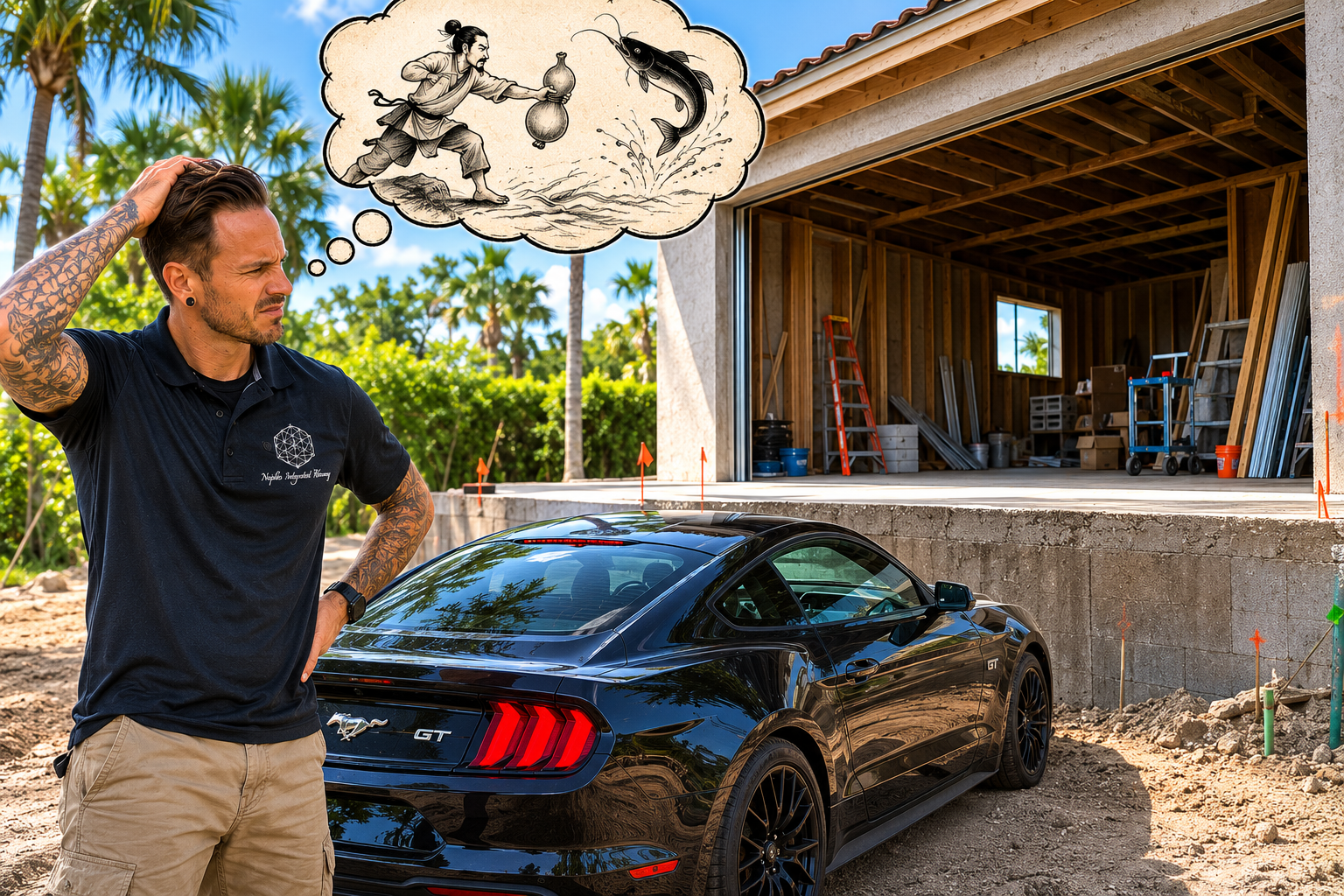
Why do we keep replaying the same argument, searching for better words, or waiting for someone to admit they were wrong? A contractor dispute and two Zen teachings reveal how justified anger can turn into rumination, resentment, and a demand for acknowledgment.

What If My Problem Isn't Other People? How I Exhaust Myself
Why do other people feel so exhausting sometimes? This episode uses Buddhist psychology to break down the aversive temperament: the part of the mind that sees flaws quickly, gets irritated by disorder, and can confuse clear perception with contempt. Using examples from beach crowds, Walmart, airports, AA, and public life, Brian explores why some people experience inconsiderate behavior as almost physically intolerable. Brian Granneman, LMHC, CAP, CCTP Naples Integrated Recovery

Why Smart People Fight the Simple Things That Help Them
Some people understand trauma, anxiety, attachment, resentment, and nervous system regulation in theory, yet still resist the simple tools that would help them calm down in real life. This article looks at why breathing, pausing, walking away, naming the emotion, and letting someone be wrong can feel insulting when the body is already activated.

When a Shitty Email Opens an Old Courtroom
When a simple email feels like an interrogation, something older may be getting activated. Learn how schemas shape defensiveness, authority conflict, and emotional reactivity. Brian Granneman LMHC, CAP, CCTP Naples Integrated Recovery

When You’re Right and Still the Problem
People with addiction histories and high-functioning coping patterns can experience intense anger toward inefficiency, passivity, and low ownership. This article explores how contempt, hypervigilance, resentment, recovery culture, and AA “character defects” can turn everyday frustration into a chronic internal prosecution of the world. Using examples from DCF investigations, Home Depot returns, and ordinary systems failures, it examines the hidden cost of staying angry at incompetence.
Why Forgiveness Doesn’t Respond to Force
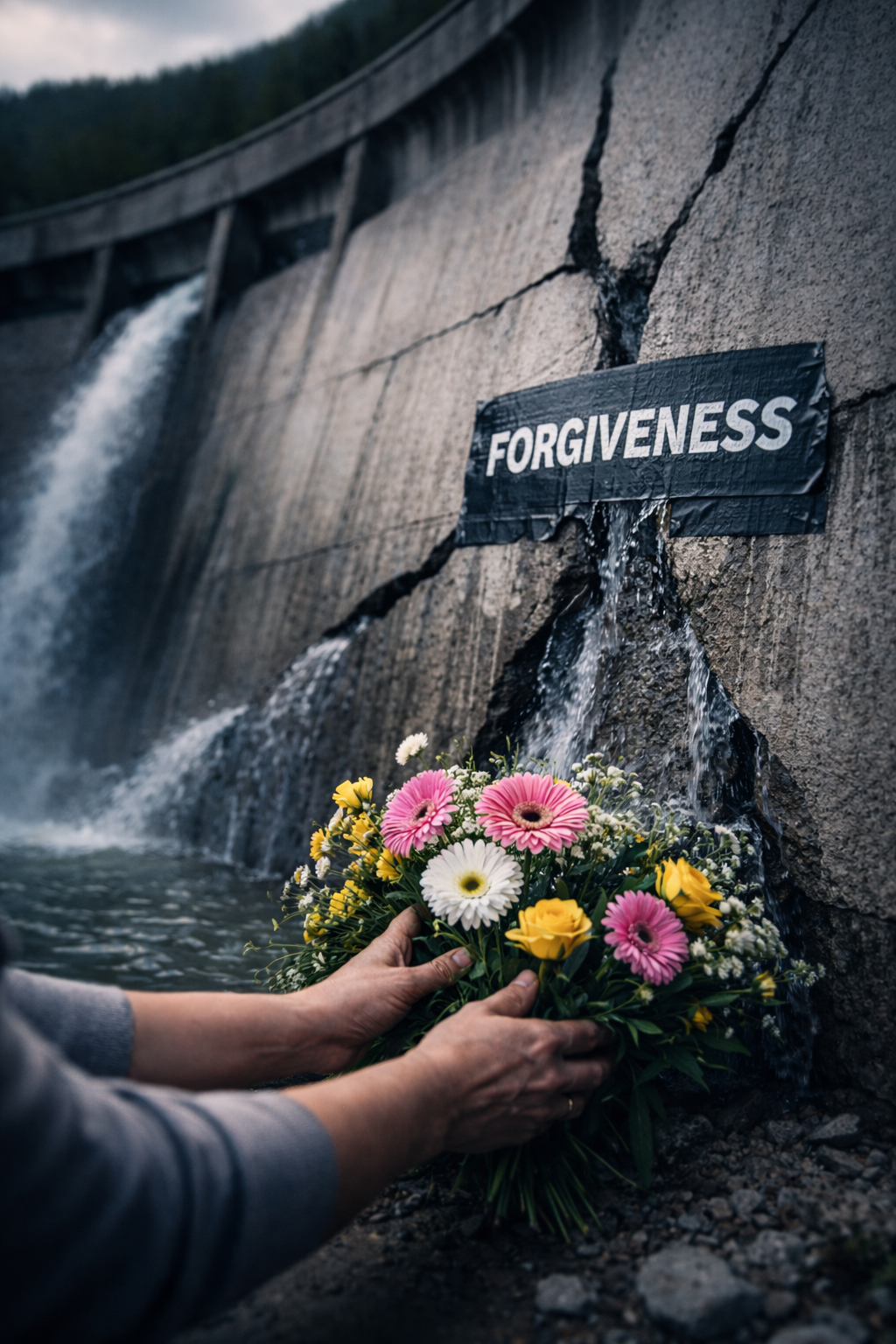
Why forcing forgiveness often backfires. This piece explains why resentment lingers when the nervous system stays activated, how retaliatory loops keep reactions alive, and why real peace comes through understanding and regulation. Brian Granneman, LMHC, CAP, CCTP, Naples Integrated Recovery.

Toxic Revenge, Impulse Wiring, and Why We Keep Hurting the People We Love
Revenge in relationships isn’t cruelty—it’s impulse wiring trying to relieve pain fast. This article breaks down toxic revenge behaviors, limbic impulsivity, attachment alarms, and why hurting back often damages the connection we actually want to protect, with clear paths toward interruption and repair.
Brian Granneman, LMHC, CAP, CCTP, Naples Integrated Recovery
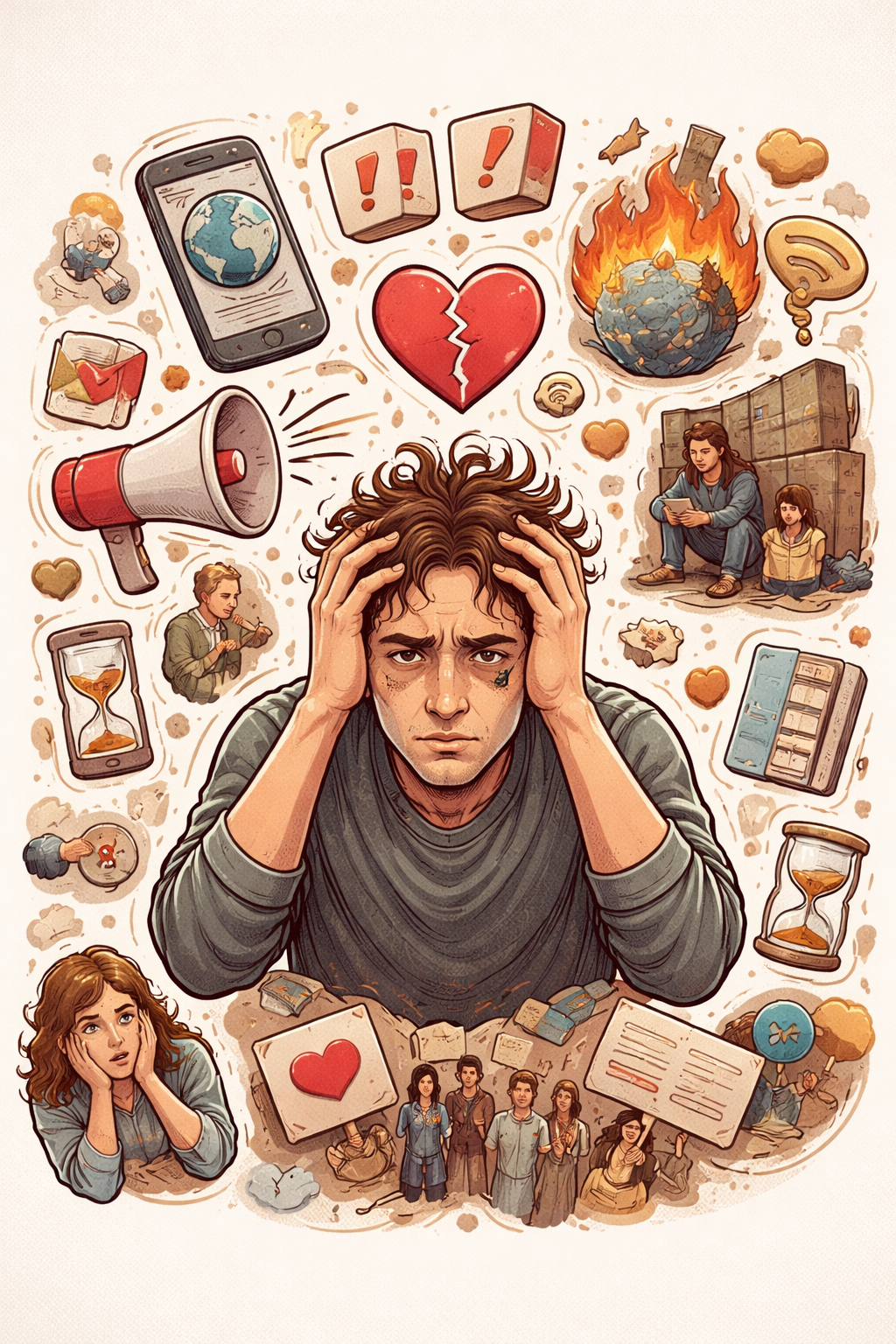
The Cost of Being Emotionally Available to Everything
Chronic anxiety is increasingly driven by moralized empathy and constant exposure to distant suffering. This article examines how empathy shifts from human response to social requirement, overwhelms nervous system capacity, erodes judgment, and why ordered care rooted in limits and responsibility restores stability and ethical action. Brian Granneman, LMHC, CAP, CCTP, Naples Integrated Recovery

Disarming a Condescending Person Without Proving Yourself
Condescension only works when self-doubt takes the wheel. This article breaks down why patronizing behavior destabilizes people, how the reflex to prove yourself hands power away, and how self-trust, regulation, and clear boundaries disarm it in work, family, and authority dynamics.
Brian Granneman, LMHC, CAP, CCTP, Naples Integrated Recovery

Anger, Acceptance and the Cost of Spiritual Bypass without Boundaries
Anger often signals violated boundaries, not spiritual failure. This piece examines how acceptance becomes harmful when it bypasses discernment, drawing on Stoicism, recovery, trauma psychology, and lived experience to clarify the difference between surrendering control and surrendering self-respect.
Brian Granneman, LMHC, CAP, CCTP, Naples Integrated Recovery

Wise Mind After Tragedy
An in-depth examination of tragedy through DBT, neuroscience, and dialectical thinking. This episode explains Emotion Mind, Reasonable Mind, and Wise Mind, exploring fear, agency, accountability, and trauma responses in police-civilian encounters and public unrest, with a focus on accuracy over outrage.
Brian Granneman, LMHC, CAP, CCTP, Naples Integrated Recovery

Finding the Teacher Within
Finding the Teacher Within explores why real growth doesn’t come from being told what to do. This article examines how outsourcing authority weakens agency, why confidence develops through choice, and how therapy supports clarity without control. Brian Granneman, LMHC, CAP, CCTP, Naples Integrated Recovery

The Empty Boat: Learning Not to Take Things Personally
The Empty Boat parable teaches us not to take life’s bumps so personally. Sometimes anger arises not from what happens, but from the story we tell ourselves about why it happened. By seeing life’s collisions as drifting boats on the river, we can respond with mindfulness, compassion, and freedom instead of reactivity.

Who’s Driving Your Car? — The Inner Parts That Hijack Your Reactions
A look at the inner “drivers” that hijack your reactions—anger, fear, shame, revenge—and how IFS helps you shift from parts-led chaos to grounded Self-leadership. Explores recovery identity, emotional protectors, and what it means to take the wheel of your life again. Brian Granneman, LMHC, CAP, CCTP, Naples Integrated Recovery
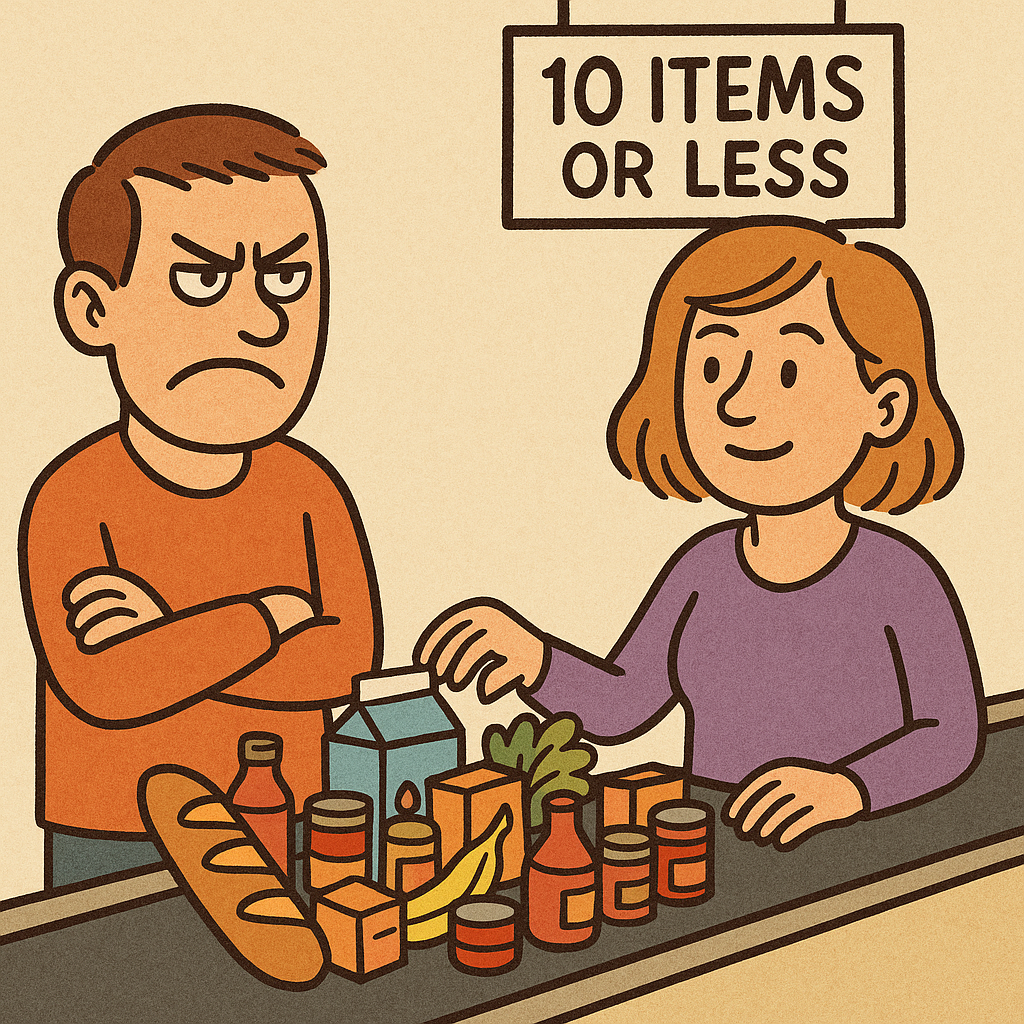
When the Lizard Brain Hijacks an Otherwise Functional Adult
Hardwired reactivity hits first — the amygdala fires in about 12 milliseconds, long before the thinking brain comes online. That’s why even as a licensed, highly trained professional with a full private practice and a life built on responsibility, you can still get hijacked by instinct. The second arrow — the story you tell yourself — is where CBT, neurobiology, and vulnerability work intersect, helping you shift from reflexive reaction to grounded response.
Brian Granneman, LMHC, CAP, CCTP, Naples Integrated Recovery

What I Learned the Hard Way: Why Naples Integrated Recovery Exists
Systemic dysfunction in mental health—burnout, exploitation, and unsafe workloads—pushes good clinicians out. Naples Integrated Recovery was built intentionally lean and ethical, with clean documentation, transparency, and uncompromising clinical standards at its core. - Brian Granneman, LMHC, CAP, CCTP Naples Integrated Recovery