

The Dragon in Your House: What Families Learn to Ignore
Brian Granneman, LMHC, CAP explores how families adapt to addiction, secrecy, and denial. Addiction counseling in Naples, FL, at Naples Integrated Recovery.

Getting Sober Does Not Fix an Alcoholic or Addiction Family
Stopping the drinking can end the immediate crisis, while secrecy, mistrust, and old family rules continue running the relationship. Recovery asks the family to build a new system where truth, transparency, and individual experience can exist without threatening the bond.
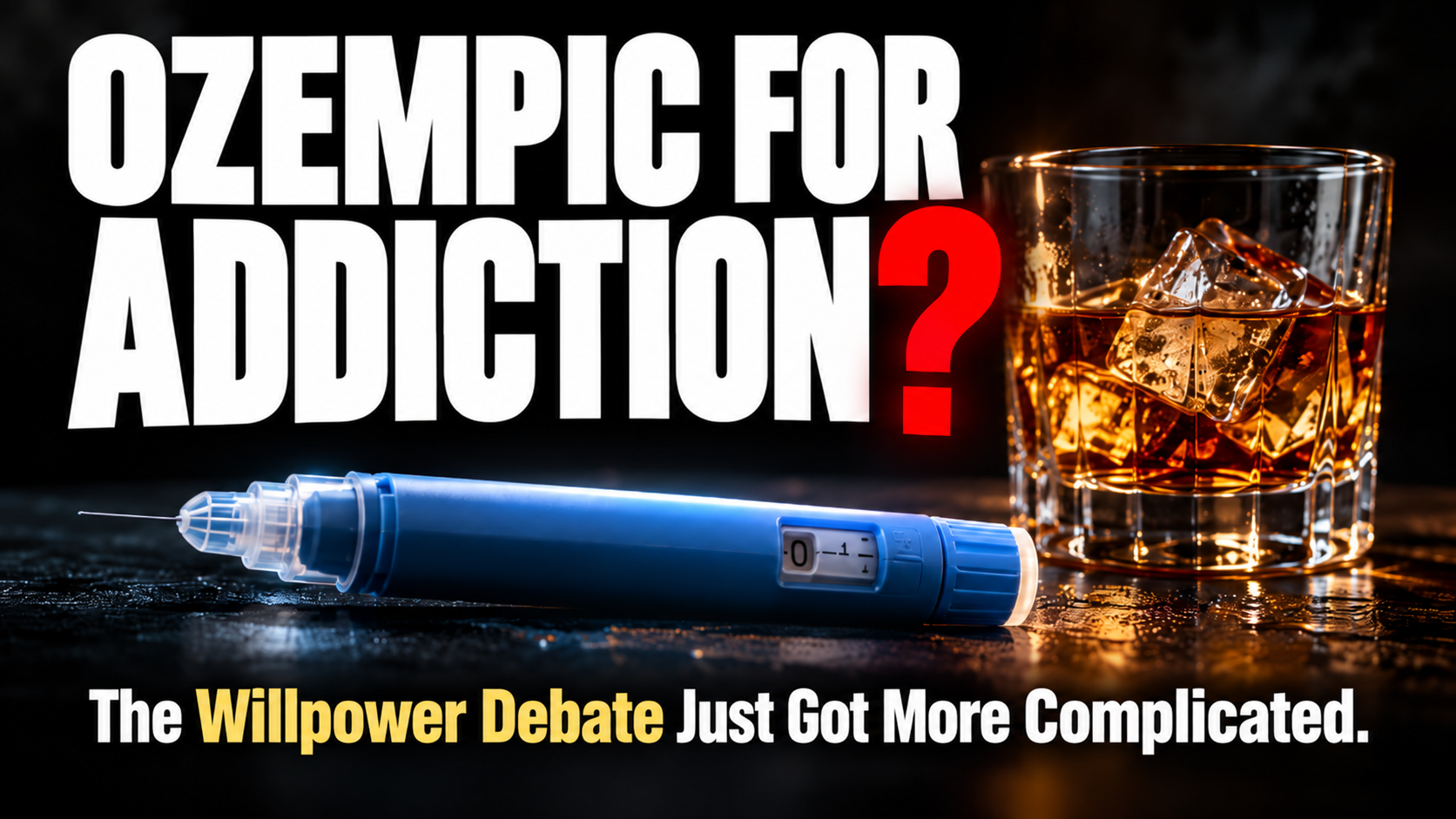
Ozempic for Addiction? The Willpower Debate Just Got Complicated
GLP-1 medications like Ozempic are being studied for effects on alcohol craving, nicotine use, and reward-seeking. The science is still early, but the research raises bigger questions about addiction, willpower, and what happens when medication can reduce the intensity of craving itself.
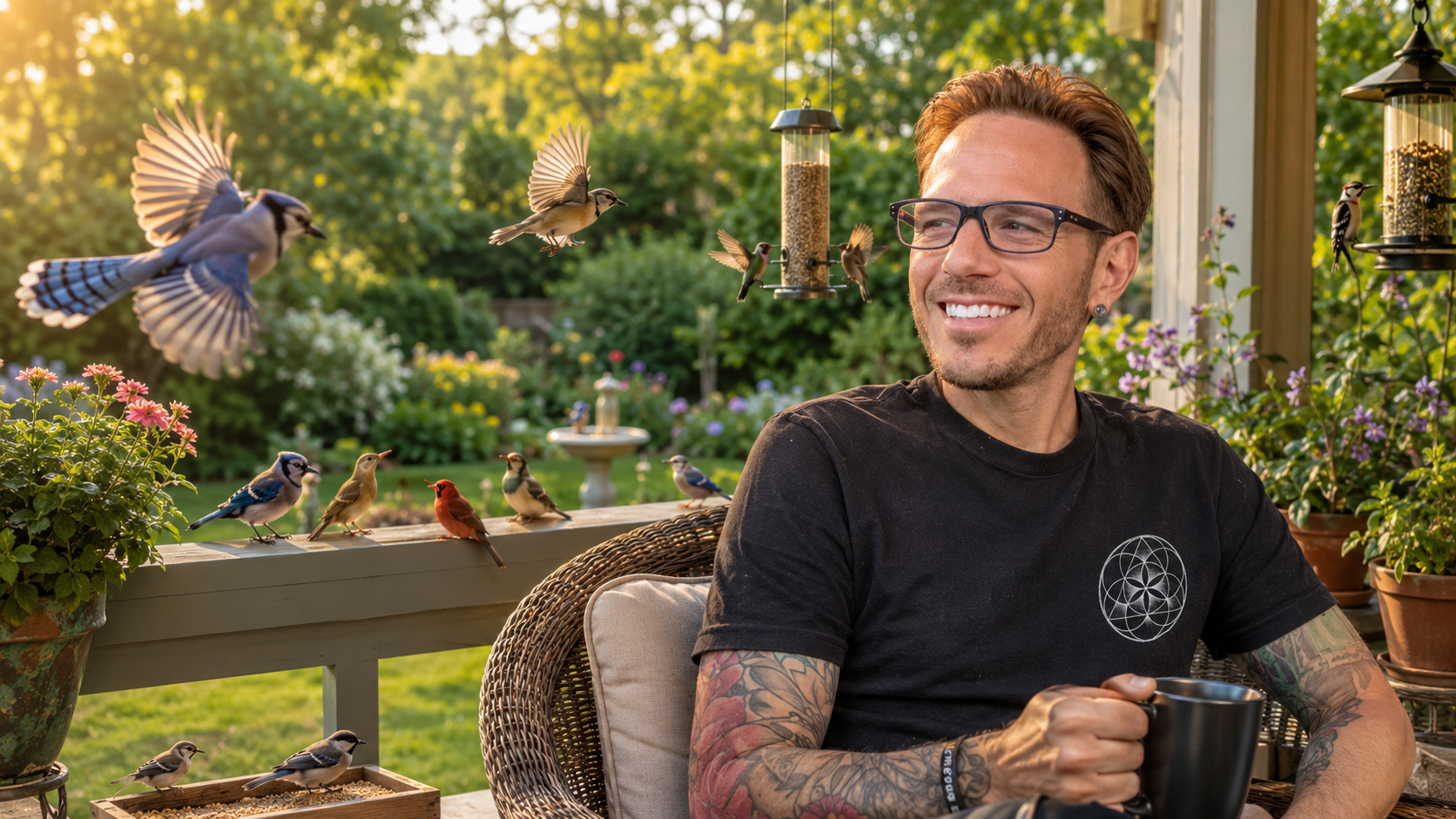
I Used to Think Sobriety Looked Unbearable. Then I Became the Bird Feeder Guy
Why does sobriety feel so boring when alcohol or drugs are removed?
Addiction trains the brain to prioritize intensity, escape, threat, and immediate relief. Ordinary experiences such as reading, walking, sitting quietly, or watching birds may barely register when the reward system has adapted to stronger stimulation.
In this personal reflection, Naples addiction therapist Brian Granneman explores addiction, dopamine, neuroplasticity, trauma, and the gradual return of ordinary pleasure. Memories of his mother working on jigsaw puzzles, an older man absorbed in a massive John Adams biography, and six bird feeders outside his home reveal how recovery changes what the brain considers worth noticing.
The birds became evidence of a deeper change: the ability to experience interest, beauty, and contentment without needing intensity or escape.

What If My Problem Isn't Other People? How I Exhaust Myself
Why do other people feel so exhausting sometimes? This episode uses Buddhist psychology to break down the aversive temperament: the part of the mind that sees flaws quickly, gets irritated by disorder, and can confuse clear perception with contempt. Using examples from beach crowds, Walmart, airports, AA, and public life, Brian explores why some people experience inconsiderate behavior as almost physically intolerable. Brian Granneman, LMHC, CAP, CCTP Naples Integrated Recovery
Why You Keep Doing the Thing You Already Decided to Stop Doing
A lot of people know the cost before they repeat the behavior. They know the pattern, the aftermath, and what happened last time. This article breaks down the neuroscience of craving, dopamine, salience, and why insight alone often fails to stop the loop. Brian Granneman, LMHC, CAP, CCTP Naples Integrated Recovery

When You’re Right and Still the Problem
People with addiction histories and high-functioning coping patterns can experience intense anger toward inefficiency, passivity, and low ownership. This article explores how contempt, hypervigilance, resentment, recovery culture, and AA “character defects” can turn everyday frustration into a chronic internal prosecution of the world. Using examples from DCF investigations, Home Depot returns, and ordinary systems failures, it examines the hidden cost of staying angry at incompetence.
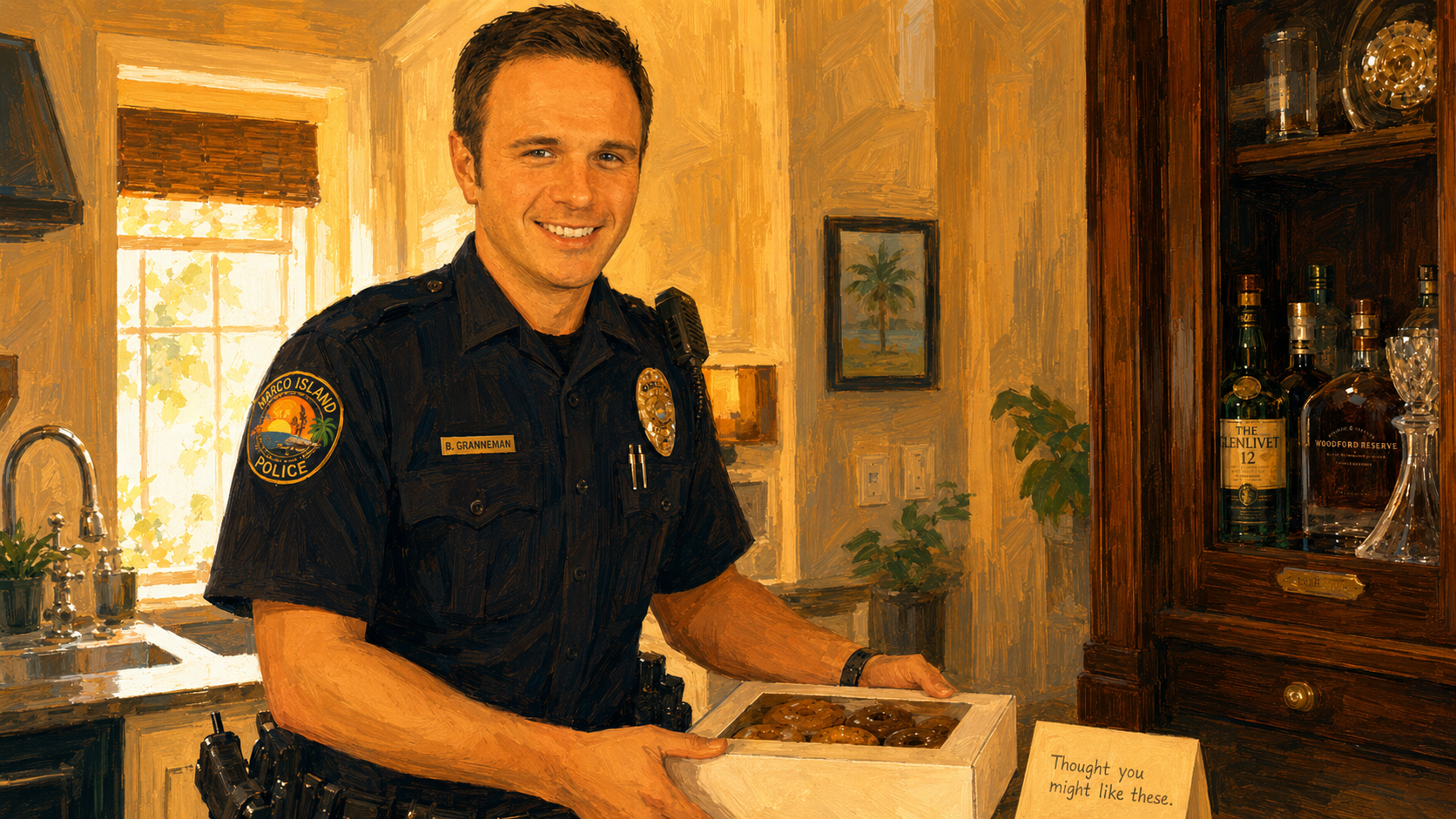
I Am Not Better Than My Clients: Compassion Without Co-signing Bullshit
Addiction can make decent people lie, hide, manipulate, and manage the truth while still carrying real pain underneath. This article explores Gabor Maté’s five levels of compassion, truth without contempt, recovery, accountability, and seeing the person underneath the pattern. Brian Granneman, LMHC, CAP, CCTP, Naples Integrated Recovery,
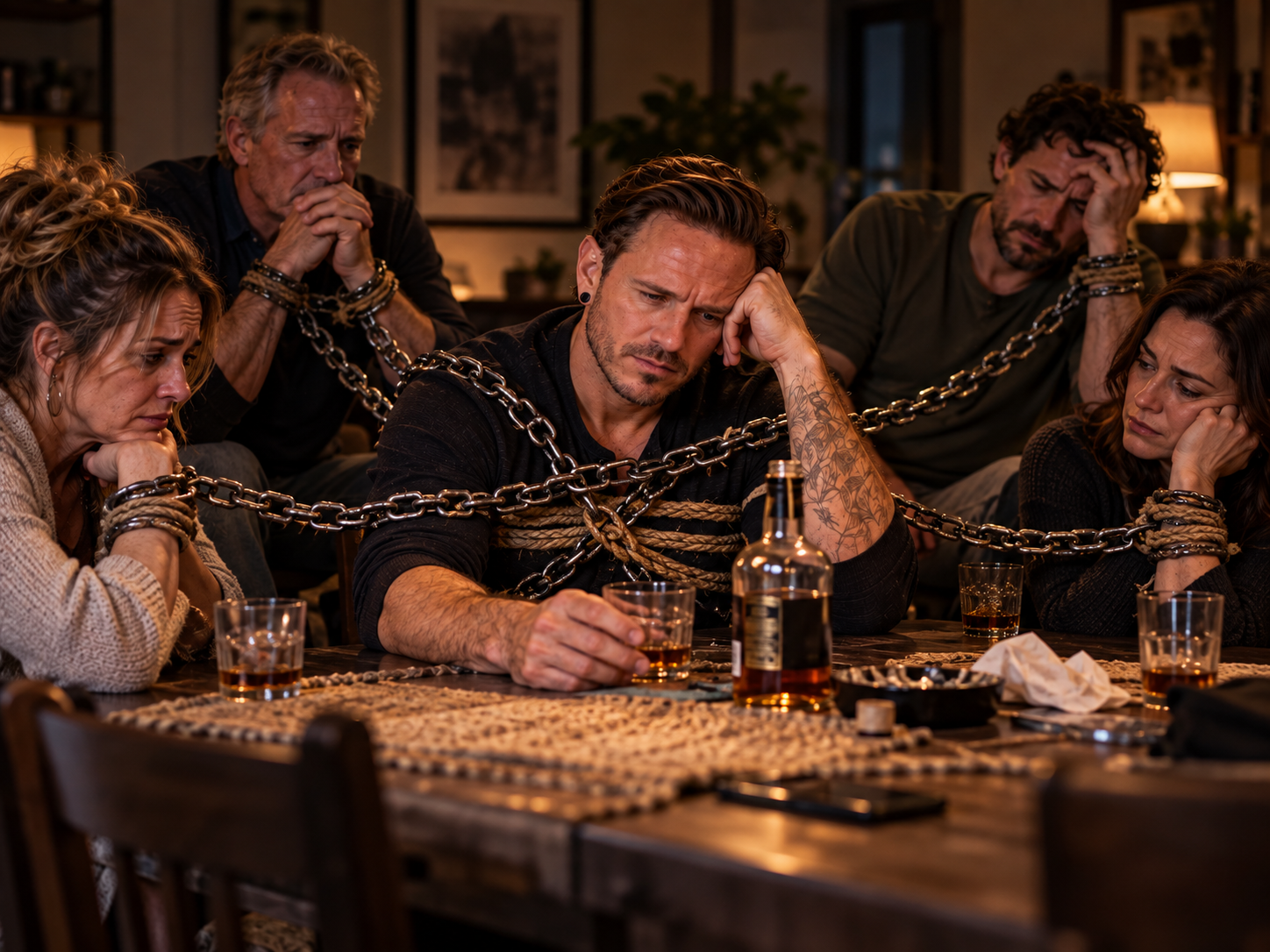
Stop Saving Them: Why Families Stay Stuck
Addiction rarely affects just one person—it reshapes the entire family system. This article explores how roles form, why sobriety doesn’t instantly repair relationships, how rescuing enables dysfunction, and what real recovery requires from partners and adult children. Brian Granneman, LMHC, CAP, CCTP, Naples Integrated Recovery
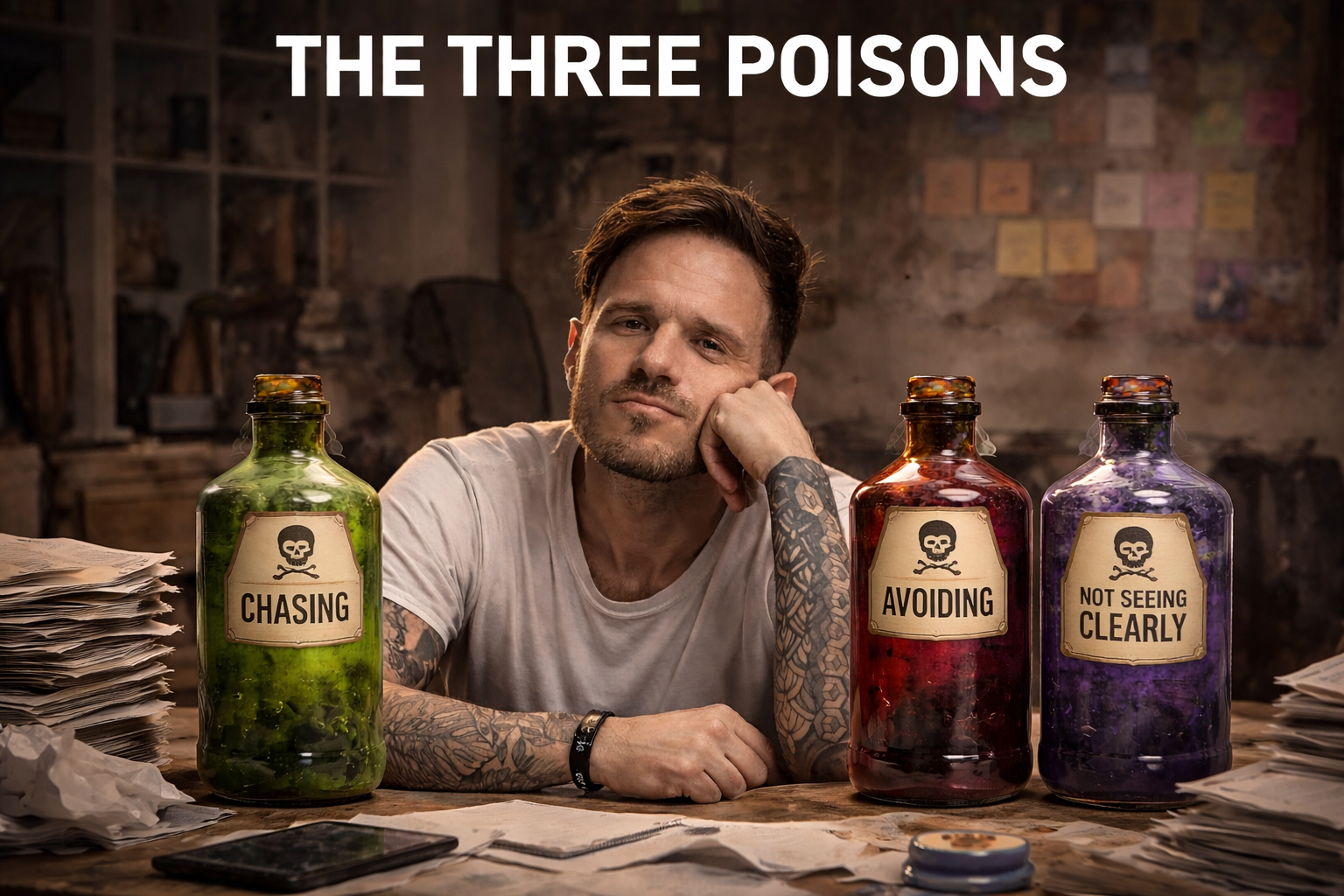
Still Not Enough: Why Insight Doesn’t Change Behavior
Insight alone doesn’t change behavior. Many people understand their patterns but still repeat them. This article breaks down the cycle of chasing relief, avoiding discomfort, and missing the pattern in real time—and how small, in-the-moment shifts create lasting change. Brian Granneman, LMHC, CAP, CCTP, Naples Integrated Recovery
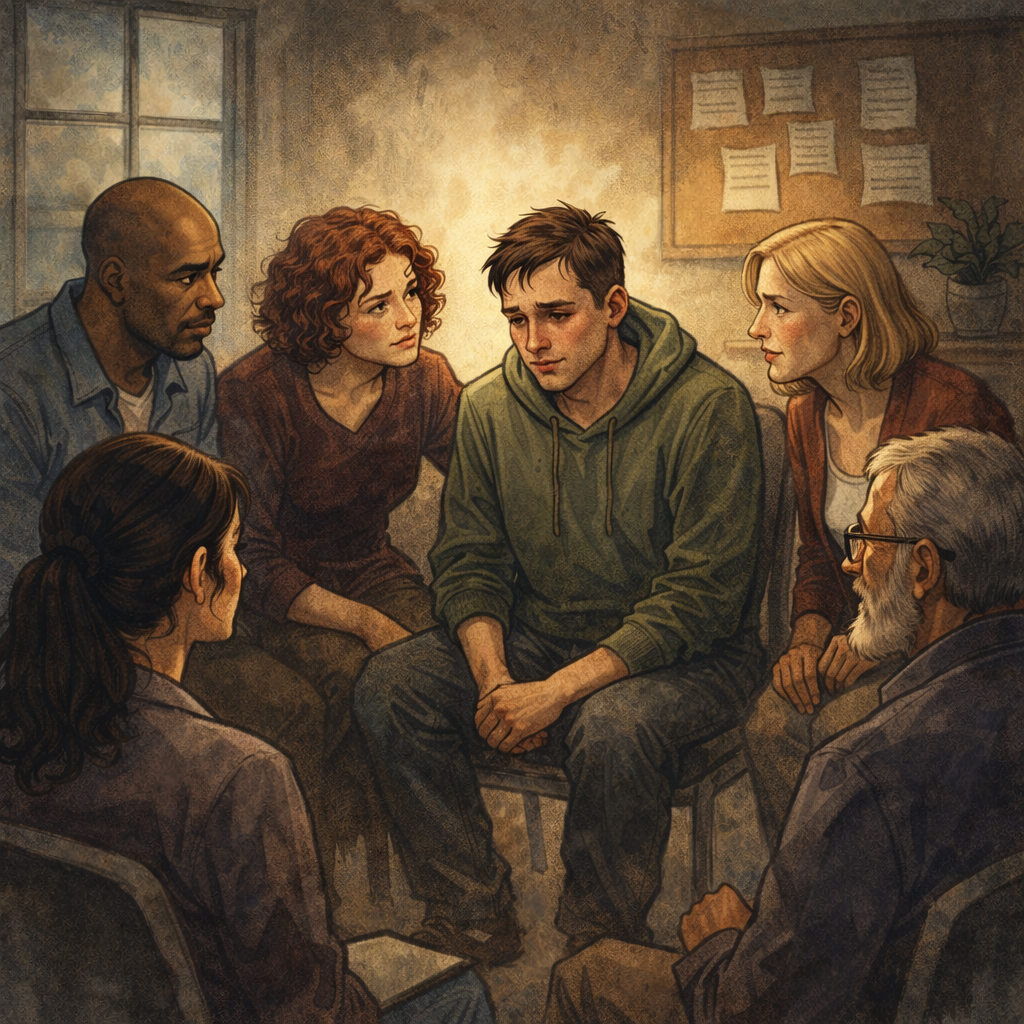
Why Groups Help People Change More Than 1-on-1 Therapy
Group therapy, recovery meetings, and peer support groups create powerful change because relational patterns are exposed in real time. This article explores why environments like Alcoholics Anonymous and therapy groups often accelerate growth, reduce shame, and help people practice new ways of relating.
Brian Granneman, LMHC, CAP, CCTP, Naples Integrated Recovery
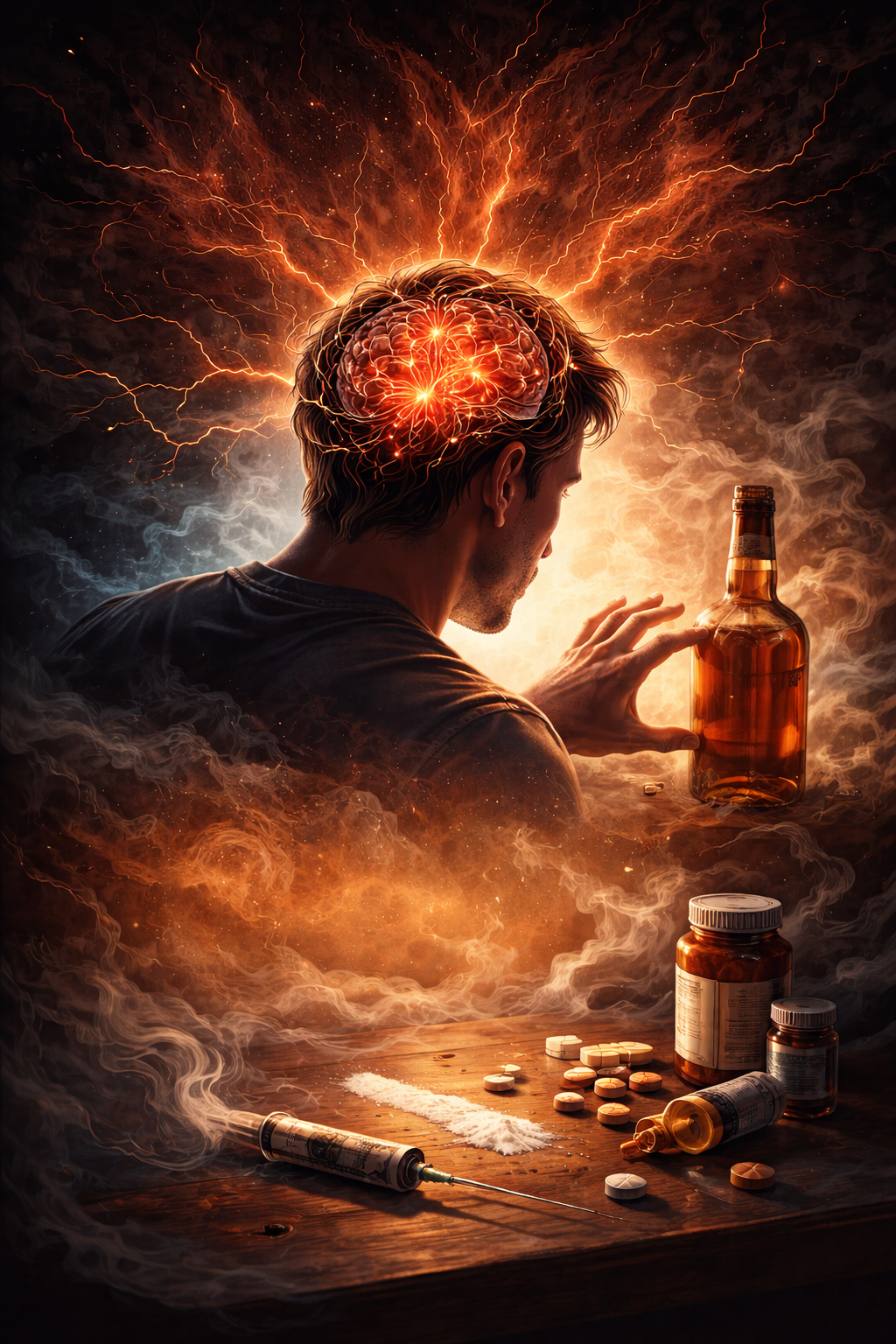
Pleasure Isn’t the Point: Why Addiction Is About Seeking, Not Enjoyment
Addiction isn’t about pleasure—it’s about relief, regulation, and nervous system survival. This article explains why compulsive behavior persists long after pleasure fades, how avoidance and emotional pain drive use, and what actually supports lasting change beyond willpower or shame.
Brian Granneman, LMHC, CAP, CCTP, Naples Integrated Recovery
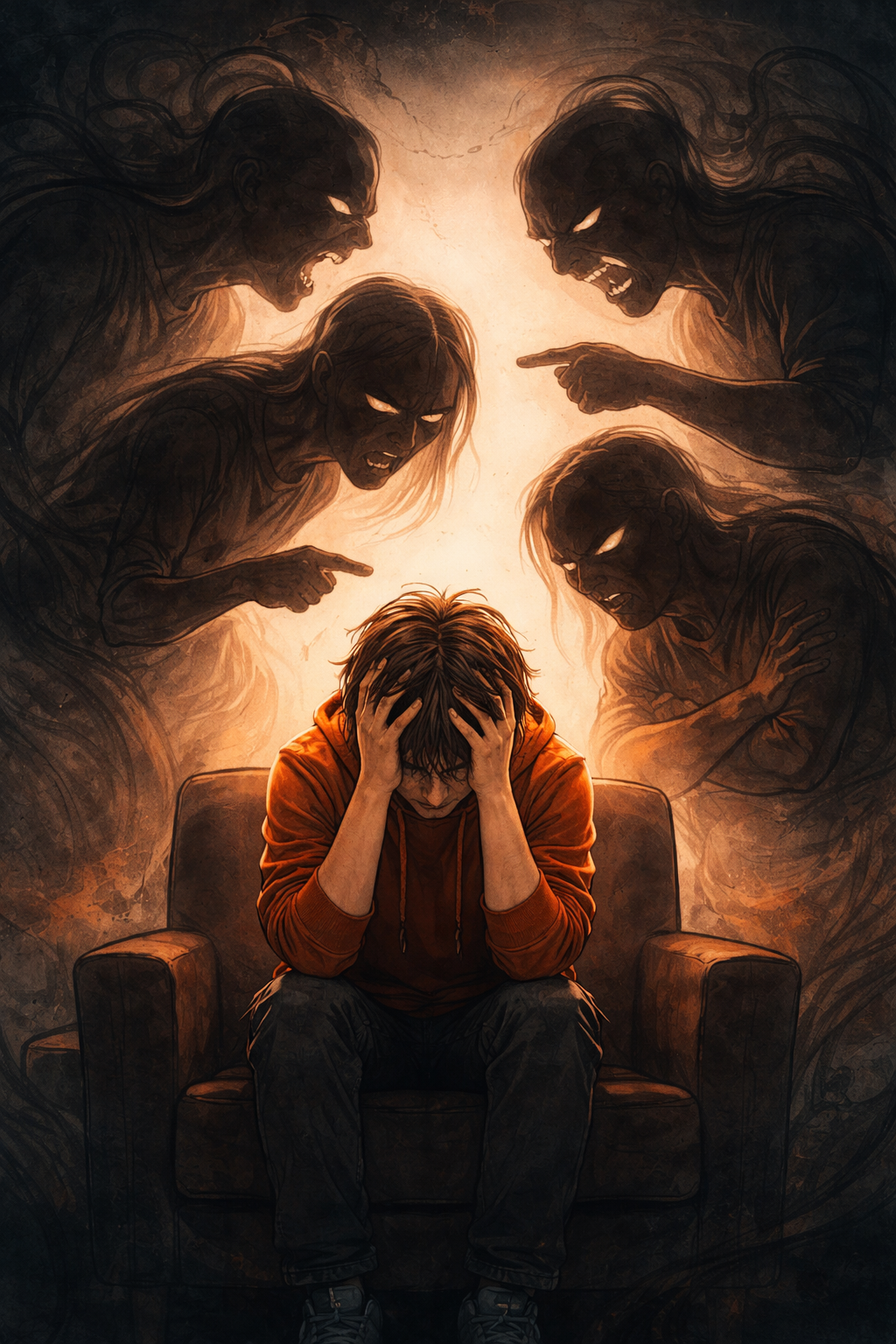
Why We’re So Harsh on Ourselves — And What Self-Compassion Actually Is
Why people are harsher on themselves than anyone else, how self-criticism functions as a threat response, and what self-compassion actually is—without softness, avoidance, or self-excuse. A grounded, psychologically accurate look at reducing suffering while maintaining responsibility and growth.
Brian Granneman, LMHC, CAP, CCTP, Naples Integrated Recovery

Dopamine, Drive, and Why You Keep Doing What You Know Is Bad for You
Dopamine, motivation, and why people repeat habits they know are harmful. Covers craving loops, trauma-driven patterns, procrastination, burnout, and practical strategies to rebalance the nervous system and regain agency. Brian Granneman, LMHC, CAP, CCTP, Naples Integrated Recovery.

The Raft: Outgrowing What Once Carried You
A reflection on outgrowing the structures that once held you together — recovery frameworks, identities, relationships, or belief systems — and learning to let go without shame. A grounded look at growth, differentiation, and honoring what carried you without staying confined to it.
Brian Granneman, LMHC, CAP, CCTP, Naples Integrated Recovery
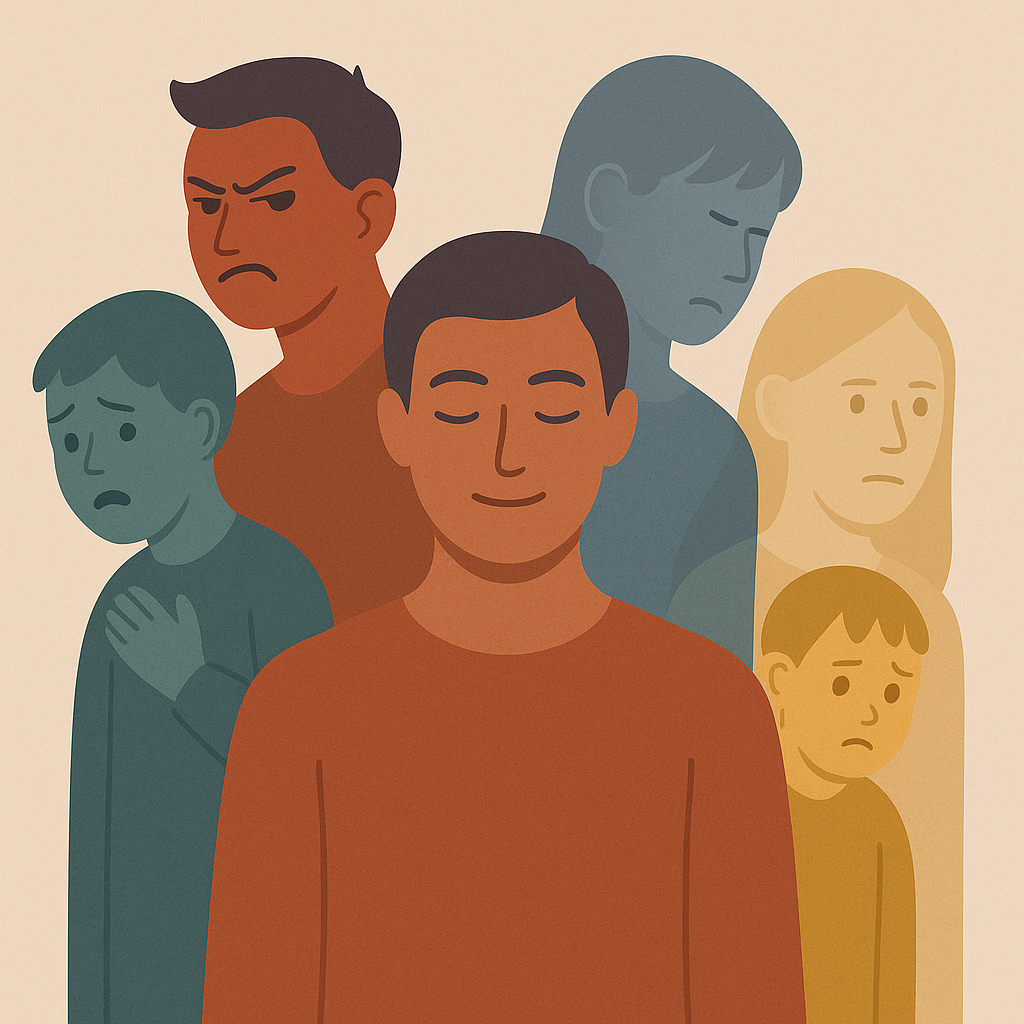
Why People Stay Stuck: What Recovery Circles Often Miss
Explores why people stay stuck in recovery: emotional suppression, misdiagnosed mood issues, childhood disconnection, and the limits of peer-led programs. A deeper look at addiction, IFS, and rebuilding internal connection for lasting change. Brian Granneman, LMHC, CAP, CCTP, Naples Integrated Recovery
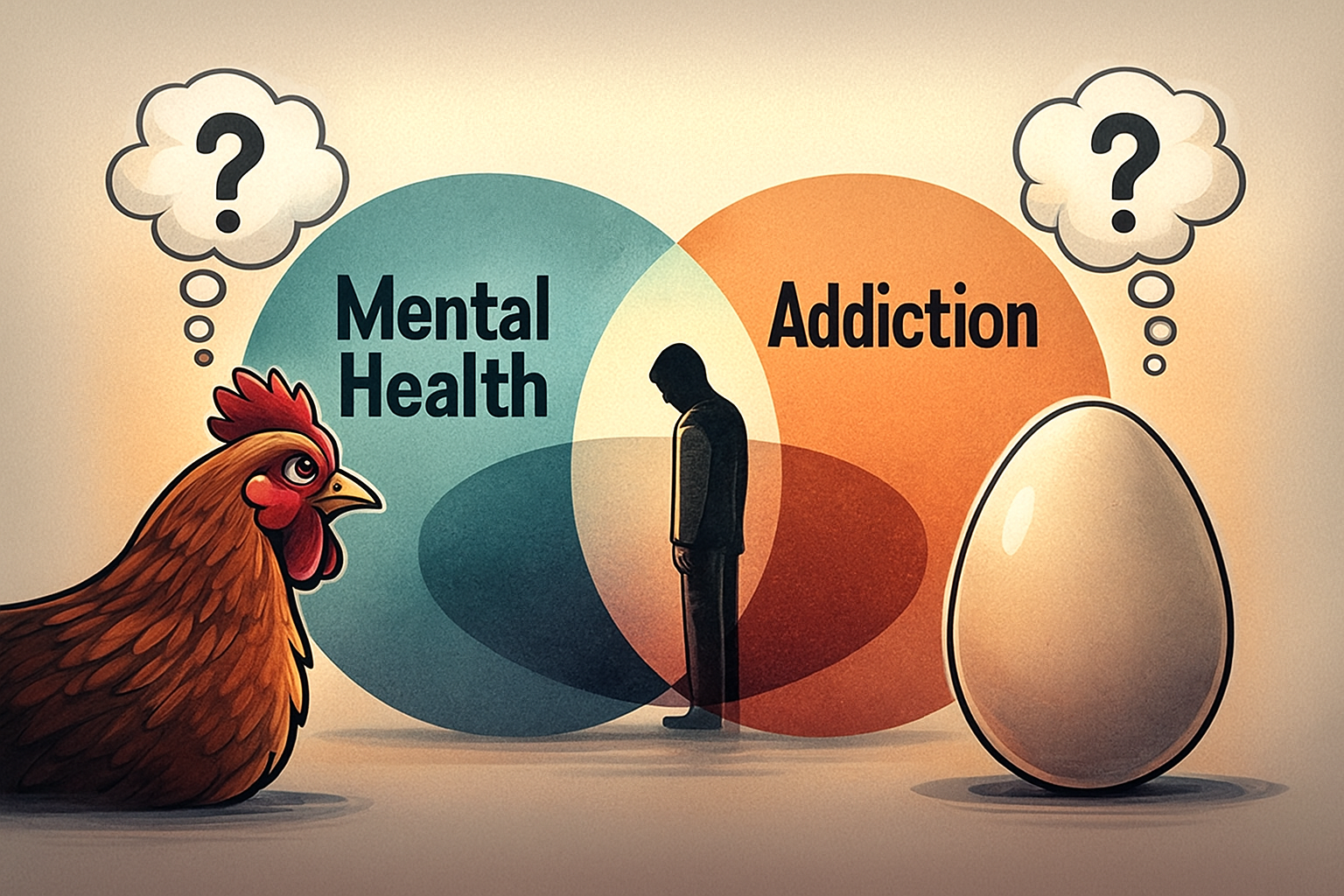
The Overlap Between Mental Health and Addictions
Mental health disorders and addiction often intersect, creating confusion and making recovery difficult. Co-occurring disorders require accurate diagnosis and integrated treatment. If you or a loved one struggle with substance use and overwhelming emotions, understanding this connection is key to healing. Learn how to navigate addiction, mental health, and the path to long-term recovery. Brian Granneman, LMHC, CAP, CCTP Naples Integrated Recovery
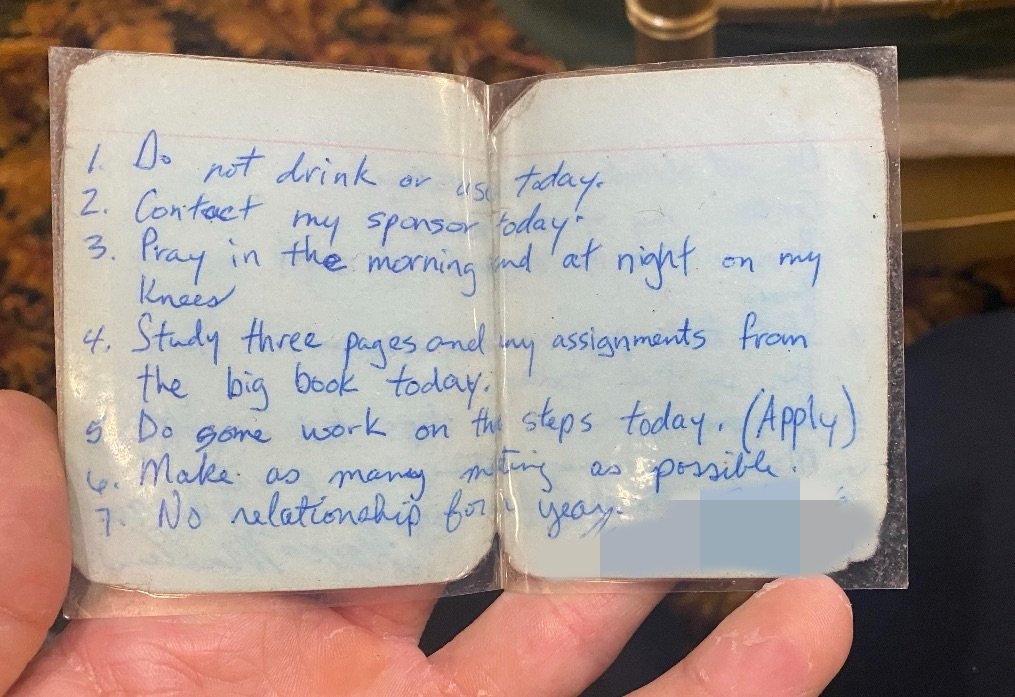
Progress Over Hype: The Real Meaning of “Burn the Boats” in Recovery and Change
Progress isn’t about hype or motivation—it’s quiet discipline built through structure, repetition, and commitment. Explore how lasting change happens when identity shifts, excuses end, and you “burn the boats” that keep you stuck. Brian Granneman, LMHC, CAP, CCTP Naples Integrated Recovery

What My Pitbull Honey Taught Me About Recovery, Impulse, and Grace
A grounded look at addiction, impulse, and recovery through the lens of neurobiology and the lessons learned from my pitbull Honey. Explores dopamine wiring, resilience, shame reduction, and how instinct meets accountability. A compassionate narrative about healing, discipline, and choosing to come home.
Brian Granneman, LMHC, CAP, CCTP, Naples Integrated Recovery

Doing the Work
“Doing the Work” explores the real meaning of inner healing beyond therapy clichés—through the lens of Internal Family Systems (IFS), recovery, and spirituality. It examines how we face our exiled parts, integrate shadow work, and move from seeking external validation to self-led wholeness and authentic connection.