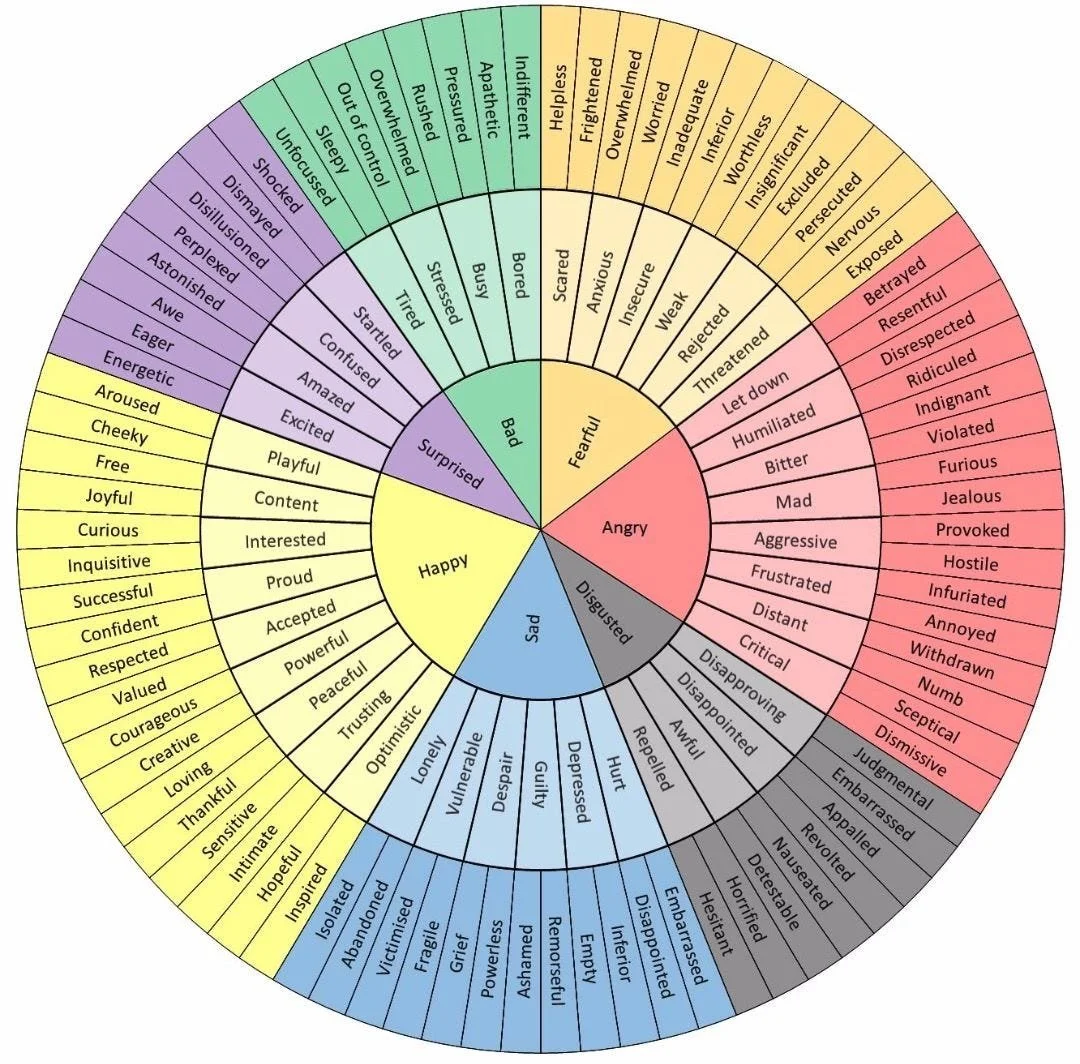

Allowing Your Emotions: Why Feeling is the First Step Toward Healing

Most people don’t struggle because they “feel too much.” They struggle because they’re exhausted from trying to hide what they feel. We’re taught to package our emotions neatly, act unfazed, and stay “in control.” But emotions aren’t optional features — they’re hardwired into the nervous system. And the longer we pretend they’re not there, the more disconnected we become from ourselves.
Avoidance Doesn’t Heal — It Just Pushes the Pain Underground
Here’s the truth: emotions don’t disappear because you want them to. You can numb them, outrun them, or try to outthink them, but they’ll come back through anxiety, irritability, burnout, sleeplessness, or random physical symptoms you can’t explain.
Avoidance gives you a pause, not peace.
It’s the Sharpie-over-the-check-engine-light meme in real time — you’re blocking the warning, not fixing the engine. The real question isn’t “How do I stop feeling this?” but “Why is this here in the first place?”
Curiosity Beats Control Every Time
The moment you get curious about your emotions instead of fighting them, everything shifts. Most people default to vague labels — “stressed,” “overwhelmed,” “anxious.” Those words are placeholders for what’s actually underneath.
Emotions have layers:
Primary emotions: fear, sadness, anger, joy.
Secondary emotions: irritation, defensiveness, numbness, tension.
Tertiary emotions: shame, worthlessness, insecurity, grief.
What you feel first is rarely the whole story.
Plutchik’s Emotion Wheel is one of the simplest tools because it gives language to what’s actually happening. Instead of “I’m angry,” you get:
“I feel rejected,” “I feel powerless,” “I feel threatened.”
Once you can name the feeling accurately, you stop fighting the surface and start understanding the source.
Our Culture Makes This Work Even Harder
We live in a world that idolizes toughness and treats vulnerability like a liability. We get fed messages like:
“Stay positive.”
“Push through it.”
“Don’t make it a big deal.”
“Just keep moving.”
But the nervous system doesn’t care about motivational posters. If emotions don’t get processed, they get stored — and they come out sideways later.
Feeling something isn’t a weakness.
Pretending you don’t is.
So What Do You Actually Do With All of This?
This is where emotional honesty comes in — not performative vulnerability, not toxic positivity, but real, grounded self-awareness.
1. Build Emotional Intelligence
Stop lumping everything into “fine,” “overwhelmed,” or “pissed.” Tools like the Emotion Wheel help break emotional experiences down into specifics, which reduces intensity and increases clarity.
2. Create Space to Feel
Emotions aren’t moral. They’re information. They tell you what matters, what hurts, what scares you, and what you need. Naming them out loud — to yourself, a journal, or someone safe — is the first step in metabolizing them.
3. Practice Vulnerability (Real, Not Performed)
Talking about emotions decreases their charge. Shame thrives in silence. Connection lowers the volume. When you make room for your internal world, you give yourself the chance to integrate it instead of fight it.
A Question to Sit With
What’s one emotion you’ve been avoiding?
And what would it look like to sit with it — even briefly — instead of pushing it away?
That’s where healing starts: one honest moment at a time.