

The Dragon in Your House: What Families Learn to Ignore
Brian Granneman, LMHC, CAP explores how families adapt to addiction, secrecy, and denial. Addiction counseling in Naples, FL, at Naples Integrated Recovery.

When You’re Right and Still the Problem
People with addiction histories and high-functioning coping patterns can experience intense anger toward inefficiency, passivity, and low ownership. This article explores how contempt, hypervigilance, resentment, recovery culture, and AA “character defects” can turn everyday frustration into a chronic internal prosecution of the world. Using examples from DCF investigations, Home Depot returns, and ordinary systems failures, it examines the hidden cost of staying angry at incompetence.
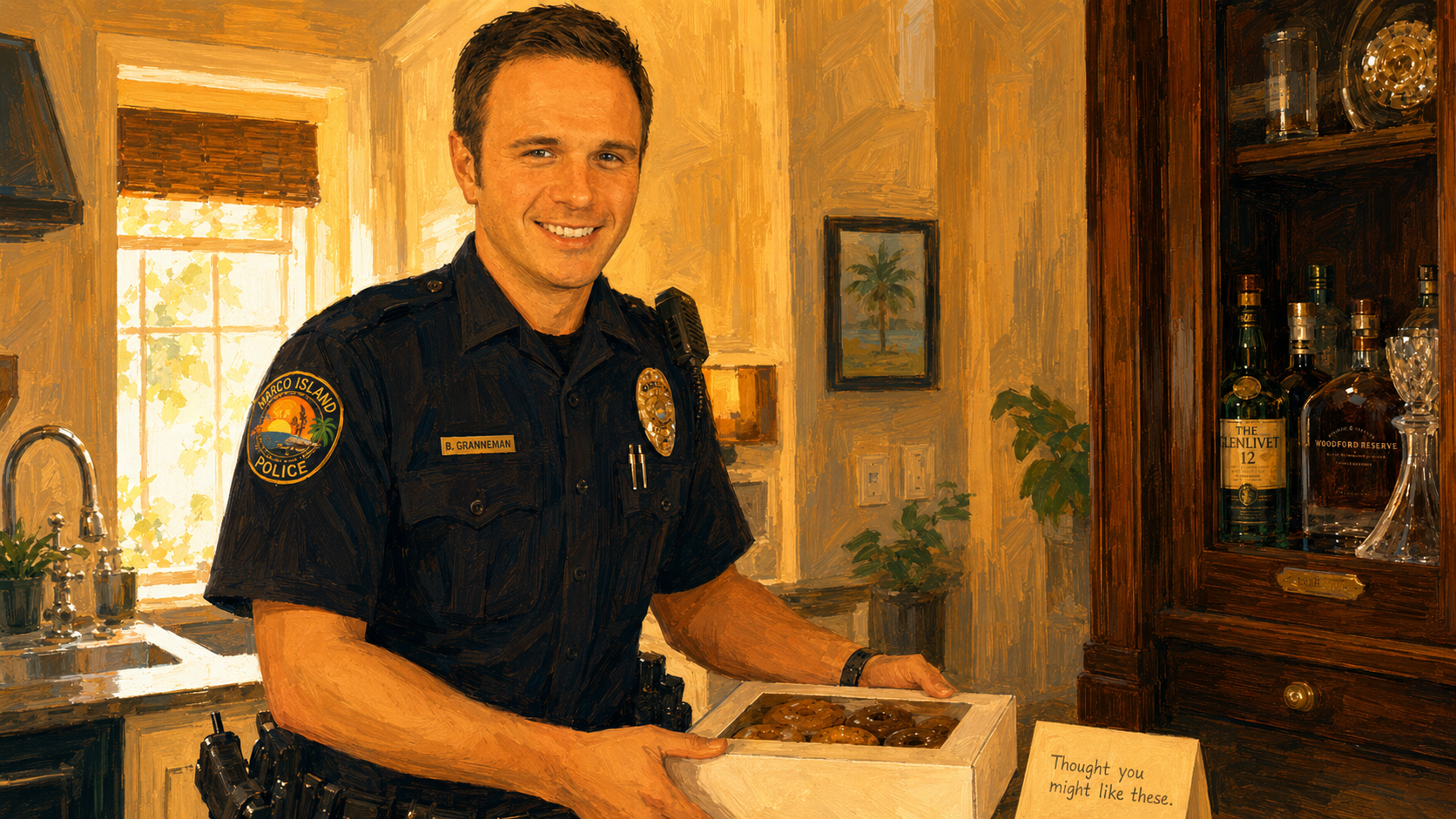
I Am Not Better Than My Clients: Compassion Without Co-signing Bullshit
Addiction can make decent people lie, hide, manipulate, and manage the truth while still carrying real pain underneath. This article explores Gabor Maté’s five levels of compassion, truth without contempt, recovery, accountability, and seeing the person underneath the pattern. Brian Granneman, LMHC, CAP, CCTP, Naples Integrated Recovery,
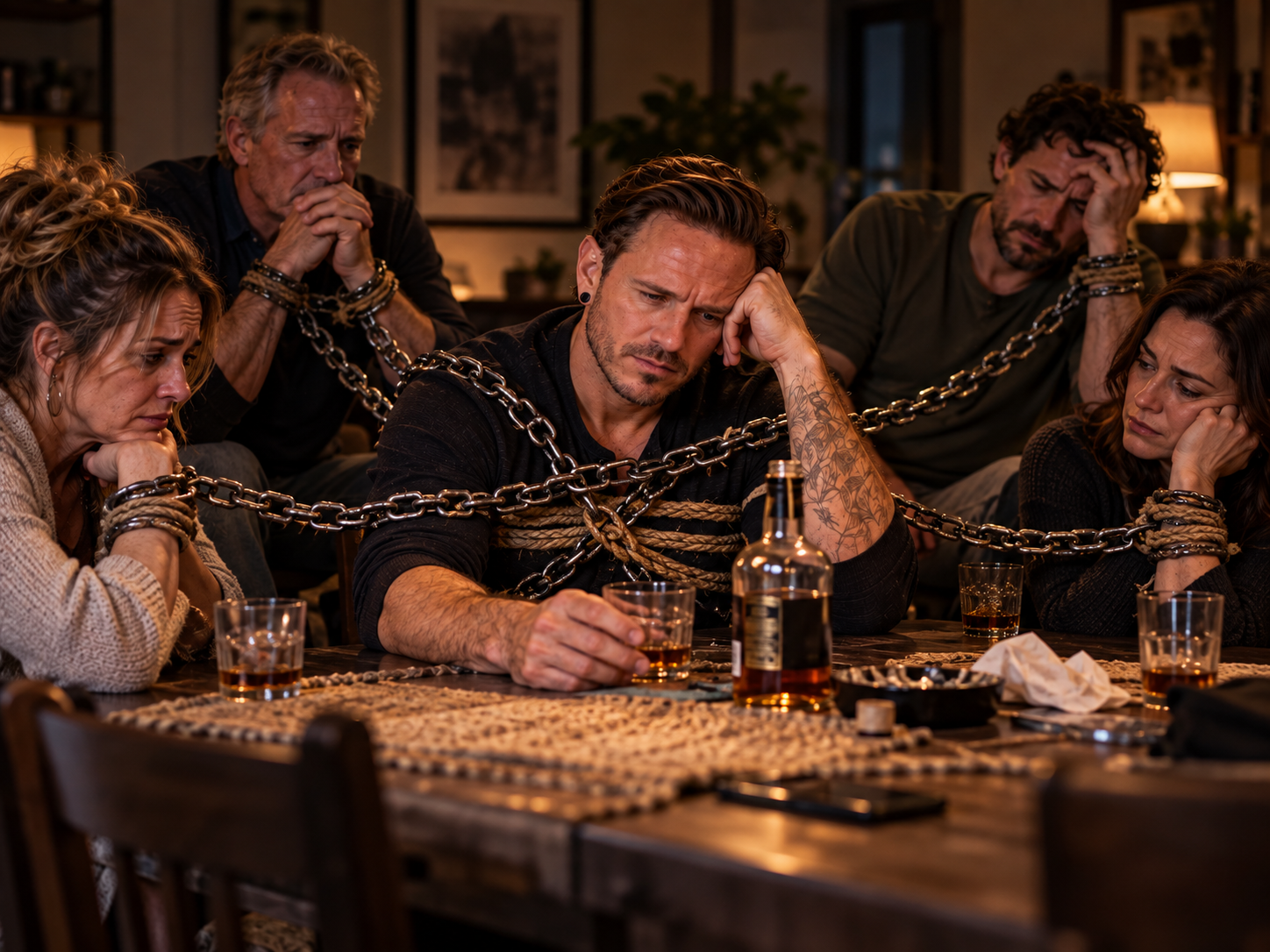
Stop Saving Them: Why Families Stay Stuck
Addiction rarely affects just one person—it reshapes the entire family system. This article explores how roles form, why sobriety doesn’t instantly repair relationships, how rescuing enables dysfunction, and what real recovery requires from partners and adult children. Brian Granneman, LMHC, CAP, CCTP, Naples Integrated Recovery
Sitting with Uncertainty
Sitting with uncertainty explores why humans crave certainty, how the nervous system reacts to not-knowing, and why control often replaces truth. Drawing on Zen kōans, addiction recovery, and amor fati, this piece shows how meaning and clarity emerge when we stop resisting uncertainty. Brian Granneman, LMHC, CAP, CCTP, Naples Integrated Recovery
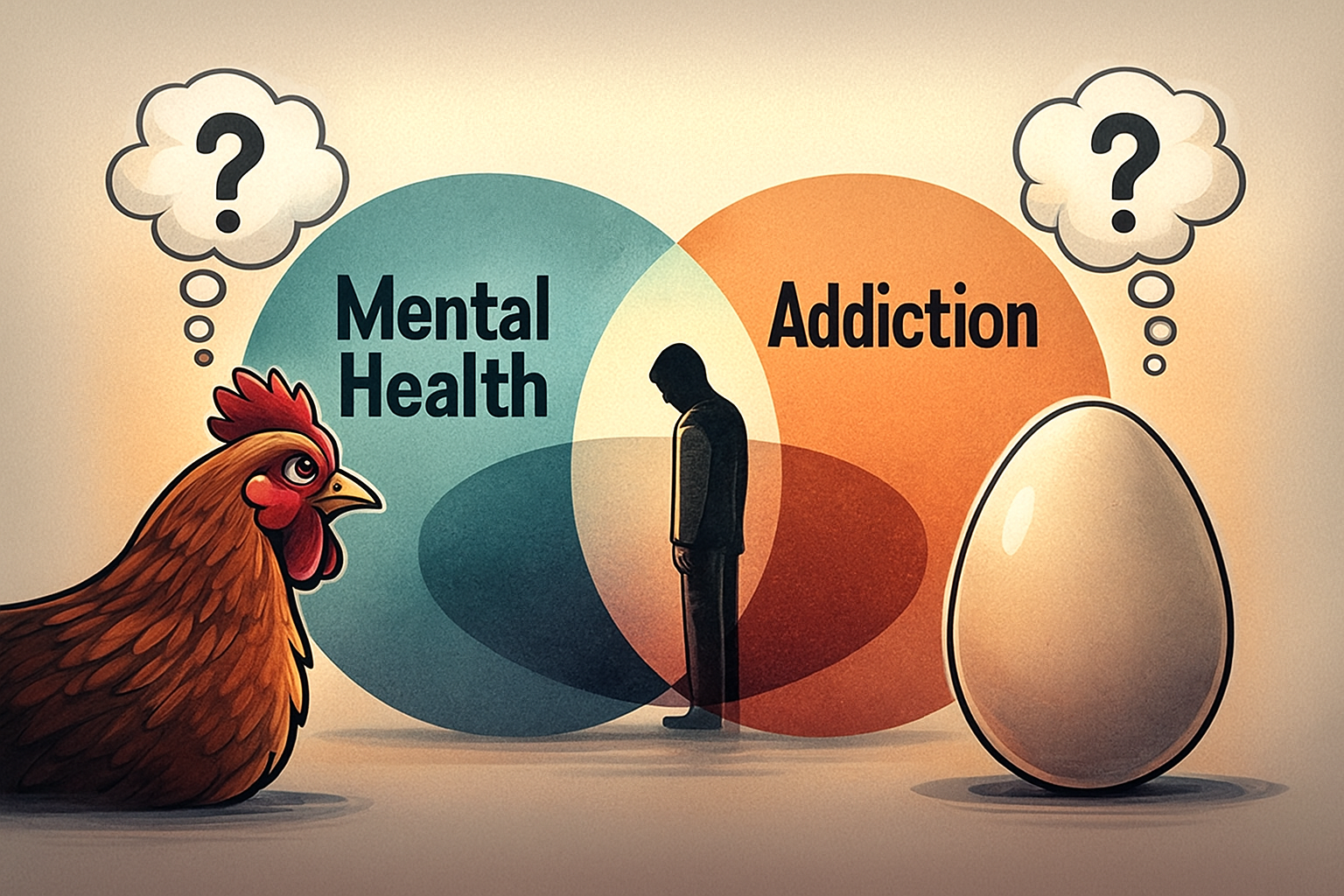
The Overlap Between Mental Health and Addictions
Mental health disorders and addiction often intersect, creating confusion and making recovery difficult. Co-occurring disorders require accurate diagnosis and integrated treatment. If you or a loved one struggle with substance use and overwhelming emotions, understanding this connection is key to healing. Learn how to navigate addiction, mental health, and the path to long-term recovery. Brian Granneman, LMHC, CAP, CCTP Naples Integrated Recovery
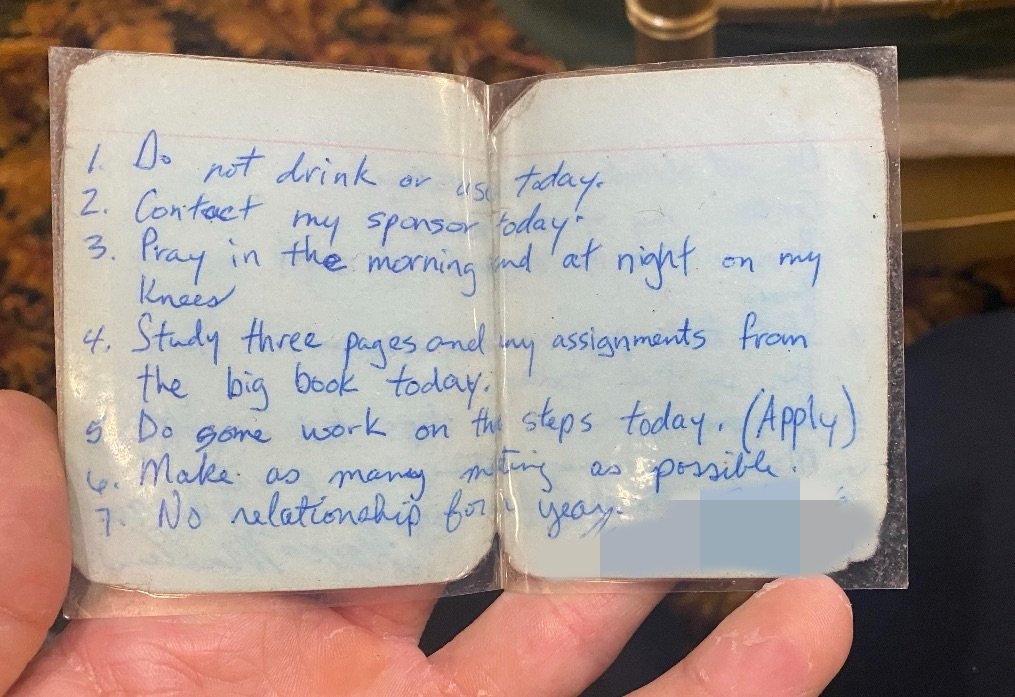
Progress Over Hype: The Real Meaning of “Burn the Boats” in Recovery and Change
Progress isn’t about hype or motivation—it’s quiet discipline built through structure, repetition, and commitment. Explore how lasting change happens when identity shifts, excuses end, and you “burn the boats” that keep you stuck. Brian Granneman, LMHC, CAP, CCTP Naples Integrated Recovery
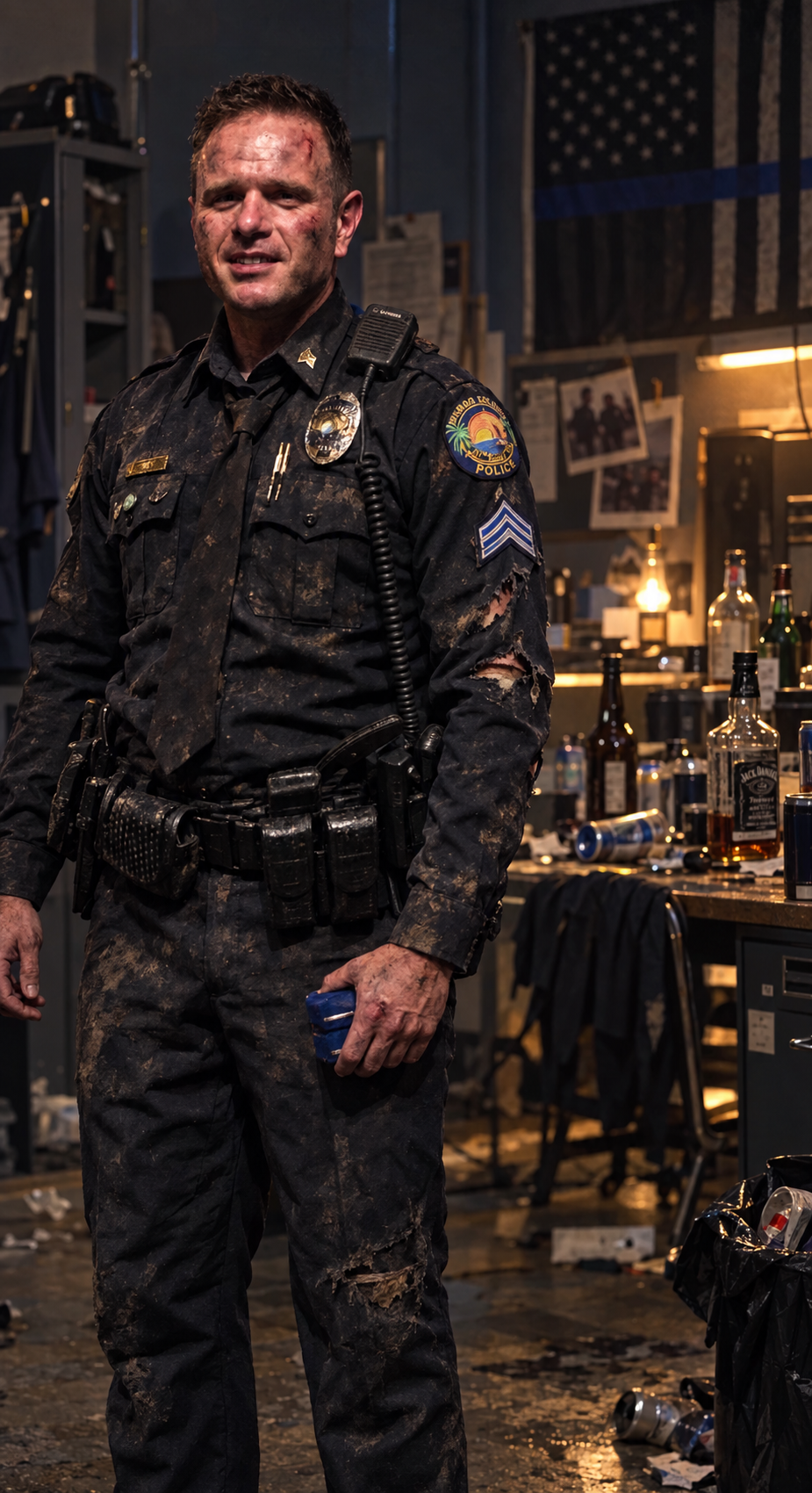
More Than Tough: The Real Work of Being a Man
We teach men that toughness means silence, but true strength begins with self-awareness. Drawing from law enforcement, Stoicism, and modern psychology, this essay explores how vulnerability, emotional mastery, and courage redefine what it really means to be a man. Brian Granneman, LMHC, CAP, CCTP, Naples Integrated Recovery

Reasonably Happy: Contentment and being at Ease in an Uncertain World
We spend years chasing happiness like a finish line — the next degree, paycheck, or sense of freedom that will finally make life feel settled. But happiness fades when it depends on conditions. This essay explores how joy and contentment grow from capacity, not control — and how peace begins when we stop waiting for it. Brian Granneman, LMHC, CAP, CCTP, Naples Integrated Recovery
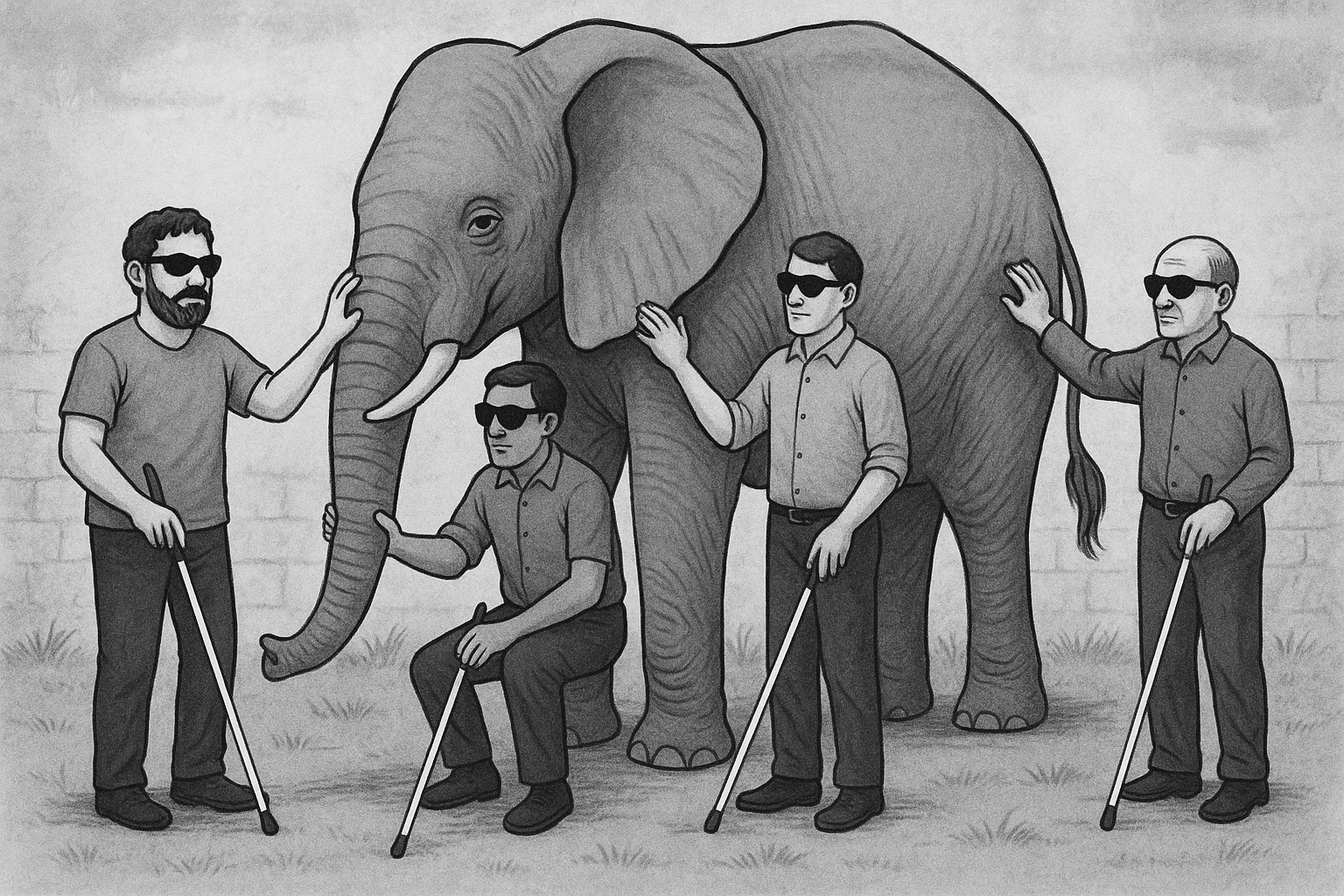
How Learning to See Truth Differently Helped Me Make Peace With Faith
A grounded look at how rigid belief systems shape identity and suffering, and how shifting from certainty to clear, humble seeing can transform faith. This explores Right View, personal agency, and a wider understanding of truth without abandoning spirituality. Brian Granneman, LMHC, CAP, CCTP, Naples Integrated Recovery
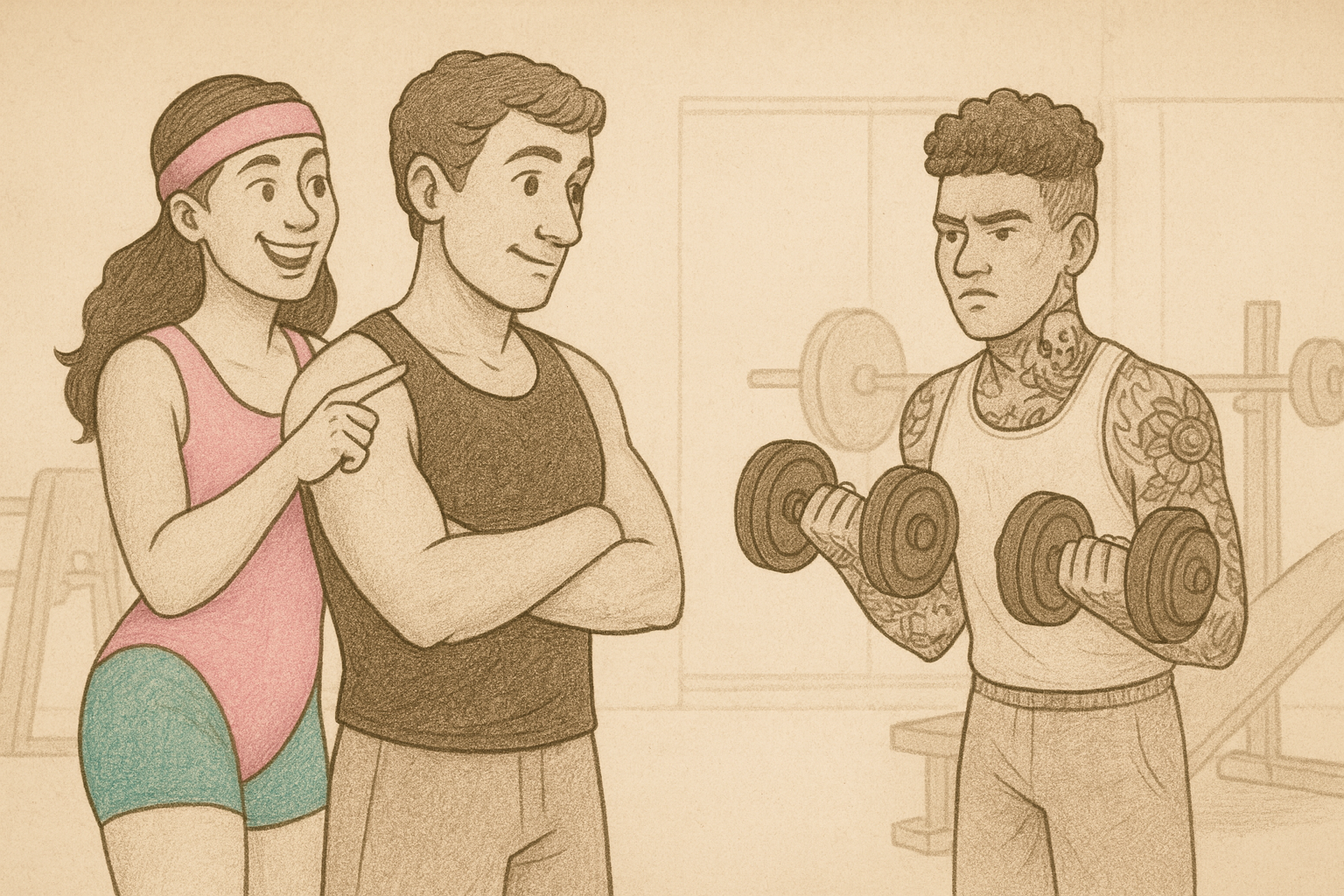
got a broken ‘picker’? The Psychology of Attraction and Attachment
How attraction, attachment, and evolution intertwine. Why we’re drawn to certain partners, how our nervous system shapes love and conflict, and what it means to outgrow familiar chemistry for genuine connection. Learn how biology, projection, and regulation all shape the way we love. Brian Granneman, LMHC, CAP, CCTP
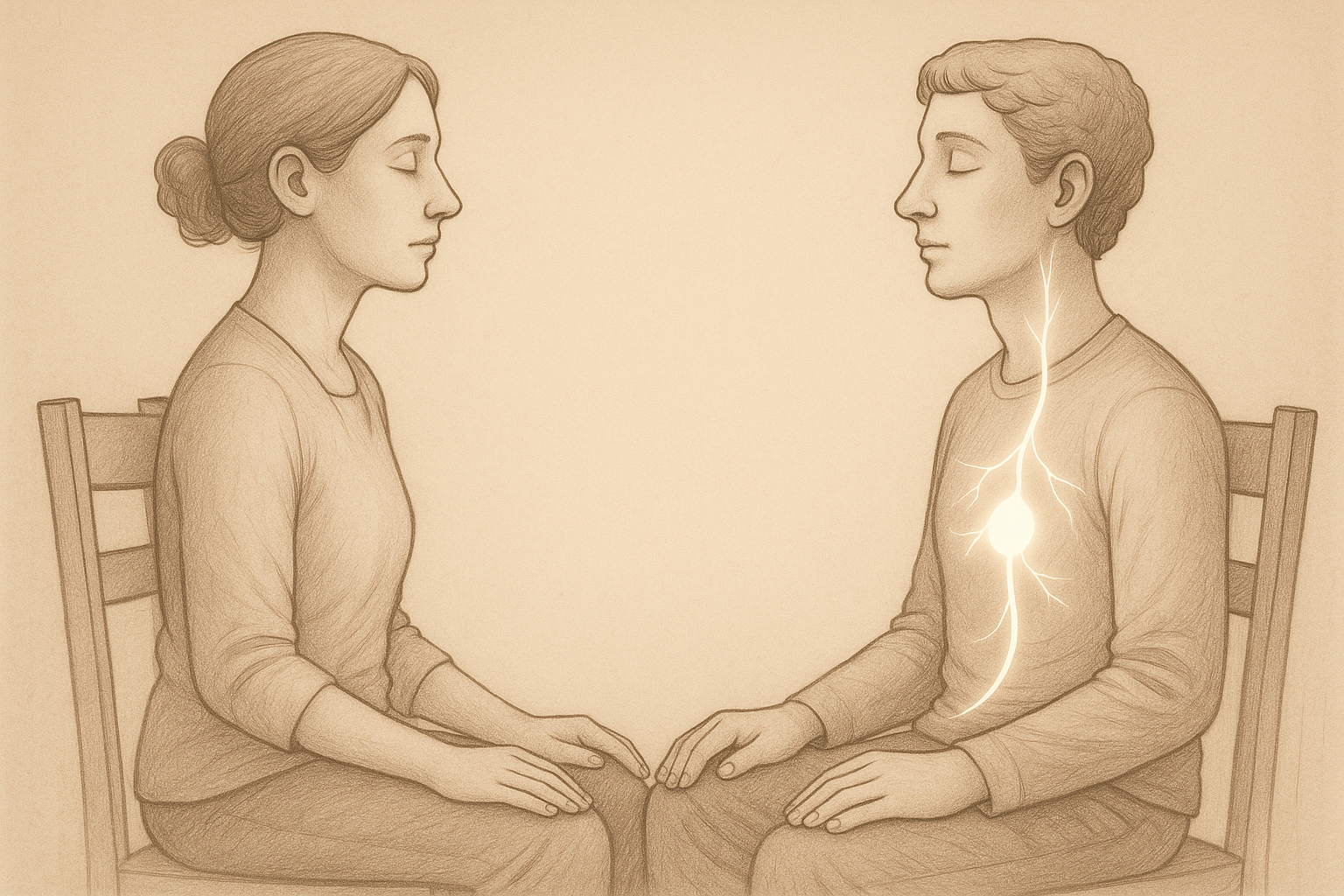
The Neuroscience of Safety: How the Mind and Body Shape Each Other
Explore how Polyvagal Theory reveals the biology of safety, attention, and healing. Learn how our nervous system shapes thought, emotion, and presence — and how mindful co-regulation in therapy and daily life restores calm, resilience, and authentic connection between body and mind. Brian Granneman, LMHC, CAP, CCTP, Naples Integrated Recovery
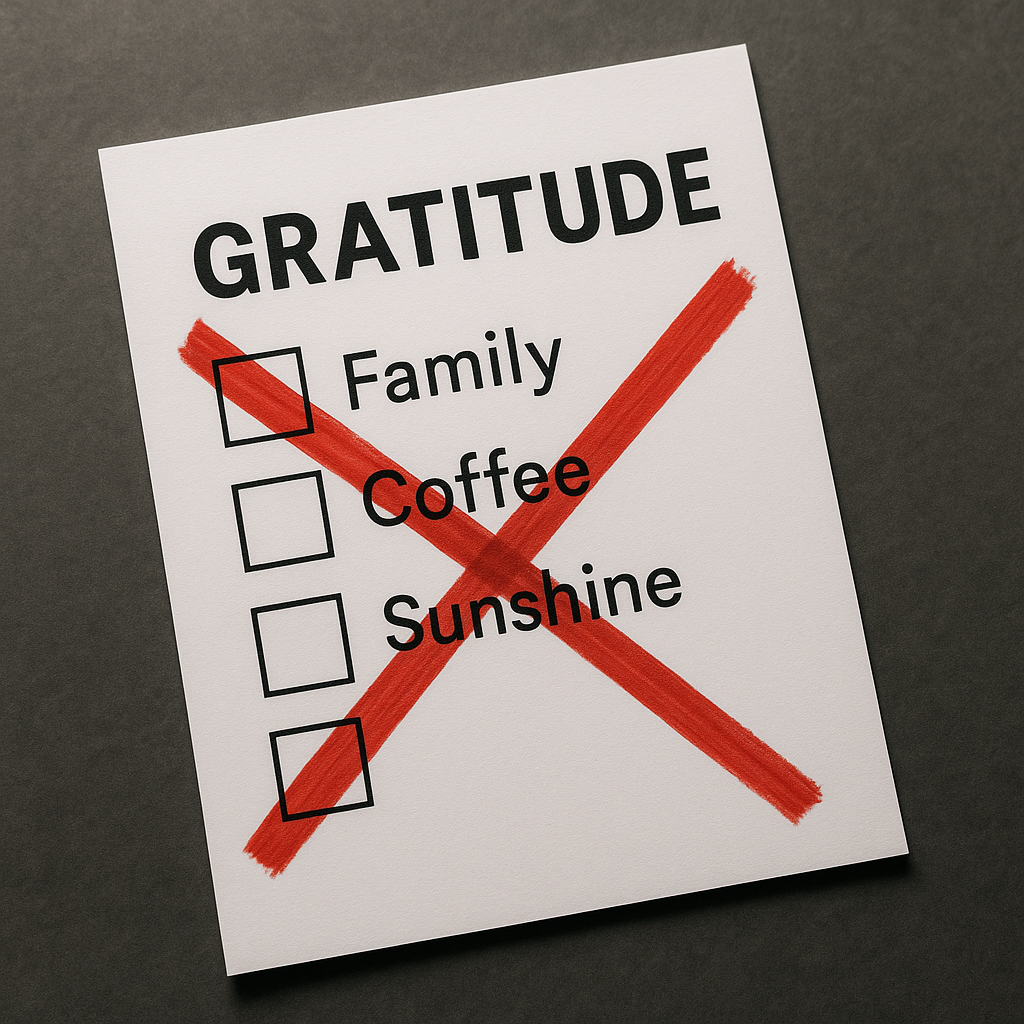
Stop gratitude journaling. it’s not ‘thank you’ or a list
A deeper look at gratitude beyond lists—how story-based, emotionally grounded recall activates safety circuits in the brain, reduces stress responses, and strengthens connection in trauma and recovery work. Gratitude shifts the nervous system from defense to presence when it’s lived, not forced. — Brian Granneman, LMHC, CAP, CCTP, Naples Integrated Recovery

Outgrowing old frameworks
Outgrowing Old Frameworks explores what happens when growth outpaces the teachers and systems that once felt sacred. Through trauma integration, IFS, and shadow work, it redefines “doing the work” as evolving beyond external validation—moving from obedience to authentic, self-led spiritual maturity. Brian Granneman, LMHC, CAP, CCTP, Naples Integrated Recovery

What My Pitbull Honey Taught Me About Recovery, Impulse, and Grace
A grounded look at addiction, impulse, and recovery through the lens of neurobiology and the lessons learned from my pitbull Honey. Explores dopamine wiring, resilience, shame reduction, and how instinct meets accountability. A compassionate narrative about healing, discipline, and choosing to come home.
Brian Granneman, LMHC, CAP, CCTP, Naples Integrated Recovery

Doing the Work
“Doing the Work” explores the real meaning of inner healing beyond therapy clichés—through the lens of Internal Family Systems (IFS), recovery, and spirituality. It examines how we face our exiled parts, integrate shadow work, and move from seeking external validation to self-led wholeness and authentic connection.

Inside the Work: Rebuilding Connection Without Blame
Inside Work: Rebuilding Connection Without Blame - explore how couples can rebuild emotional safety and intimacy by shifting from blame to curiosity, accountability, and honest repair. Practical tools for navigating conflict, deepening trust, and restoring connection with empathy. Brian Granneman, LMHC, Naples Integrated Recovery.
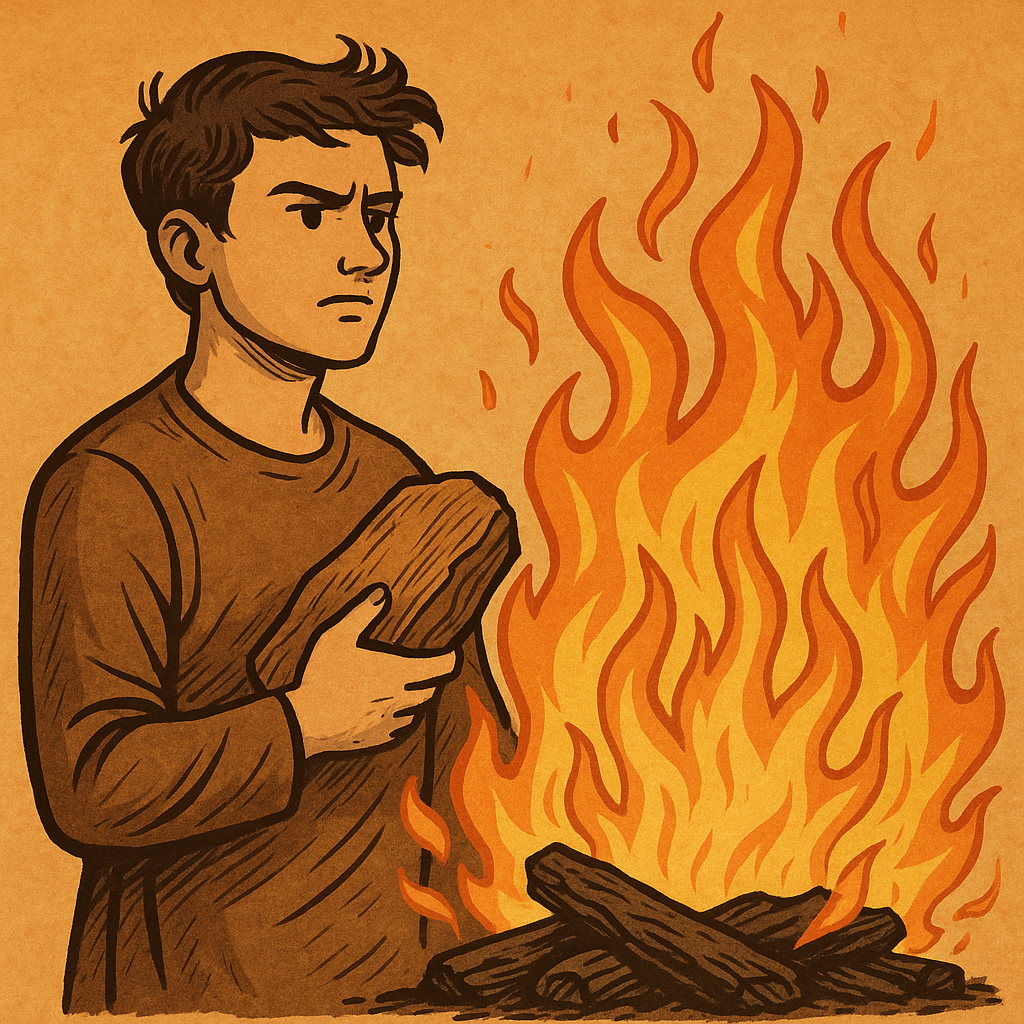
Turning Pain into Fuel Instead of Suffering
Amor Fati—the Stoic and Nietzschean concept of loving one’s fate—teaches us to embrace challenges, not just endure them. This mindset turns adversity into fuel for growth, helping us find meaning, resilience, and purpose in even the hardest experiences. Learn how to transform pain into power through radical acceptance. Brian Granneman, LMHC, CAP, CCTP, Naples Integrated Recovery

Embracing Fate: My Journey of Surrender and Renewal
From losing a law enforcement career to building a thriving private practice, this memoir explores how Stoicism, Amor Fati, and surrender to life’s plan can transform suffering into peace. Through addiction recovery, career loss, and starting over, discover how embracing fate opens unexpected doors and leads to growth, healing, and purpose. Brian Granneman, LMHC, CAP, CCTP, Naples Integrated Recovery

Why We Mistake Chemistry for Connection: The Near Miss, the Slot Machine, and Rewiring Desire
We mistake chaos for chemistry when our nervous system craves the “near miss” and the slot machine highs of unstable love. This article unpacks why we chase red flags, how our reward system gets rewired for chaos, and what it takes to retrain the brain so safety, trust, and steady connection feel just as powerful as the thrill of unpredictability. Brian Granneman, LMHC, CAP, CCTP, Naples Integrated Recovery