

Do I Need a Psychiatrist, Psychologist or a Psychotherapist?
Therapist, psychologist, psychiatrist, psychotherapist—the titles get confusing fast. This guide explains what each professional actually does, when testing or medication may matter, and why specialty and fit often matter as much as credentials.

How Am I Supposed to Know What’s Real Now After the Betrayal?
When infidelity or another major betrayal enters a relationship, rebuilding trust involves more than deciding whether to stay together. A changed explanation, missing detail, half-truth, or omission can bring the original betrayal right back into the room. In my work providing couples and marriage counseling in Naples, Florida, I often focus on this part of affair recovery: how two people rebuild a shared sense of reality after trust has been fractured.

Self-Fulfilling Prophecy: How Expectations Shape What Happens Next
Brian Granneman, LMHC, CAP, CCTP of Naples Integrated Recovery explains how self-fulfilling prophecies develop through trauma, anxiety, confirmation bias, and past relationship experiences.

Moving Lights Don’t Fix Trauma: A Naples Integrated Recovery No-B.S. Explanation of EMDR
EMDR is sometimes reduced to watching a light move back and forth while bilateral stimulation somehow “unlocks” trauma. This article explains why that version is far too simplistic, what researchers actually know about EMDR’s effectiveness and disputed mechanism, and why Francine Shapiro later said she would have called it “Reprocessing Therapy.” It also walks through the parts that matter clinically: preparation, target selection, avoidance, negative core beliefs, staying grounded in the present, therapist tracking, cognitive interweaves, and the difference between genuinely processing trauma and simply following a script.

I Used to Think Sobriety Looked Unbearable. Then I Became the Bird Feeder Guy
Why does sobriety feel so boring when alcohol or drugs are removed?
Addiction trains the brain to prioritize intensity, escape, threat, and immediate relief. Ordinary experiences such as reading, walking, sitting quietly, or watching birds may barely register when the reward system has adapted to stronger stimulation.
In this personal reflection, Naples addiction therapist Brian Granneman explores addiction, dopamine, neuroplasticity, trauma, and the gradual return of ordinary pleasure. Memories of his mother working on jigsaw puzzles, an older man absorbed in a massive John Adams biography, and six bird feeders outside his home reveal how recovery changes what the brain considers worth noticing.
The birds became evidence of a deeper change: the ability to experience interest, beauty, and contentment without needing intensity or escape.

Broken Mirror Syndrome: When Trauma Warps Self-Evaluation in Real Time
Broken Mirror Syndrome explains how trauma distorts self-evaluation in real time. Feedback feels like condemnation, mistakes become identity, and perfectionism drives shame. Learn how nervous system activation, attachment history, and attentional bias shape self-criticism—and how to recalibrate toward accurate, behavior-focused accountability.
Brian Granneman, LMHC, CAP, CCTP, Naples Integrated Recovery

Why Forgiveness Doesn’t Respond to Force
Why forcing forgiveness often backfires. This piece explains why resentment lingers when the nervous system stays activated, how retaliatory loops keep reactions alive, and why real peace comes through understanding and regulation. Brian Granneman, LMHC, CAP, CCTP, Naples Integrated Recovery.
Starting Over When You Didn’t Choose To
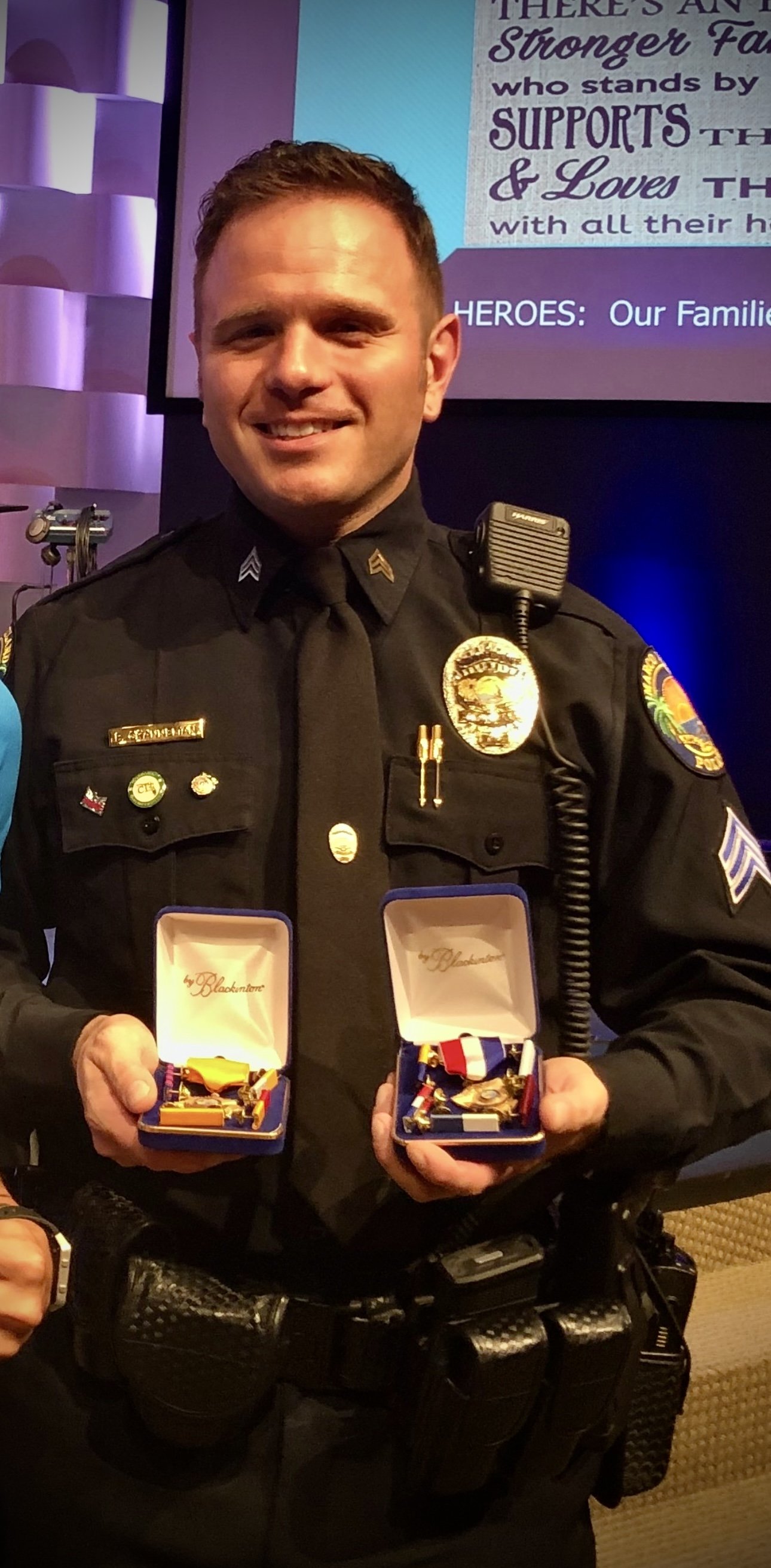
Starting over after disruption exposes a pattern: the attempt to restore what’s gone instead of working with what’s here. This article breaks down why rebuilding feels heavier the second time, how resistance slows progress, and what actually moves things forward when structure collapses. Brian Granneman, LMHC, CAP, CCTP, Naples Integrated Recovery

Why You Can Feel Deeply Attached to Someone Who Isn’t Good for You
Oxytocin is often misunderstood as a “love hormone,” but it functions as a powerful attachment system shaped by safety, context, and nervous system regulation. This article explains how bonding, chemistry, and repair work biologically—and why intensity isn’t the same as security in relationships. Brian Granneman, LMHC, CAP, CCTP, Naples Integrated Recovery, LLC
Why You React Before You Think: Polyvagal Theory and the Nervous System Under Stress
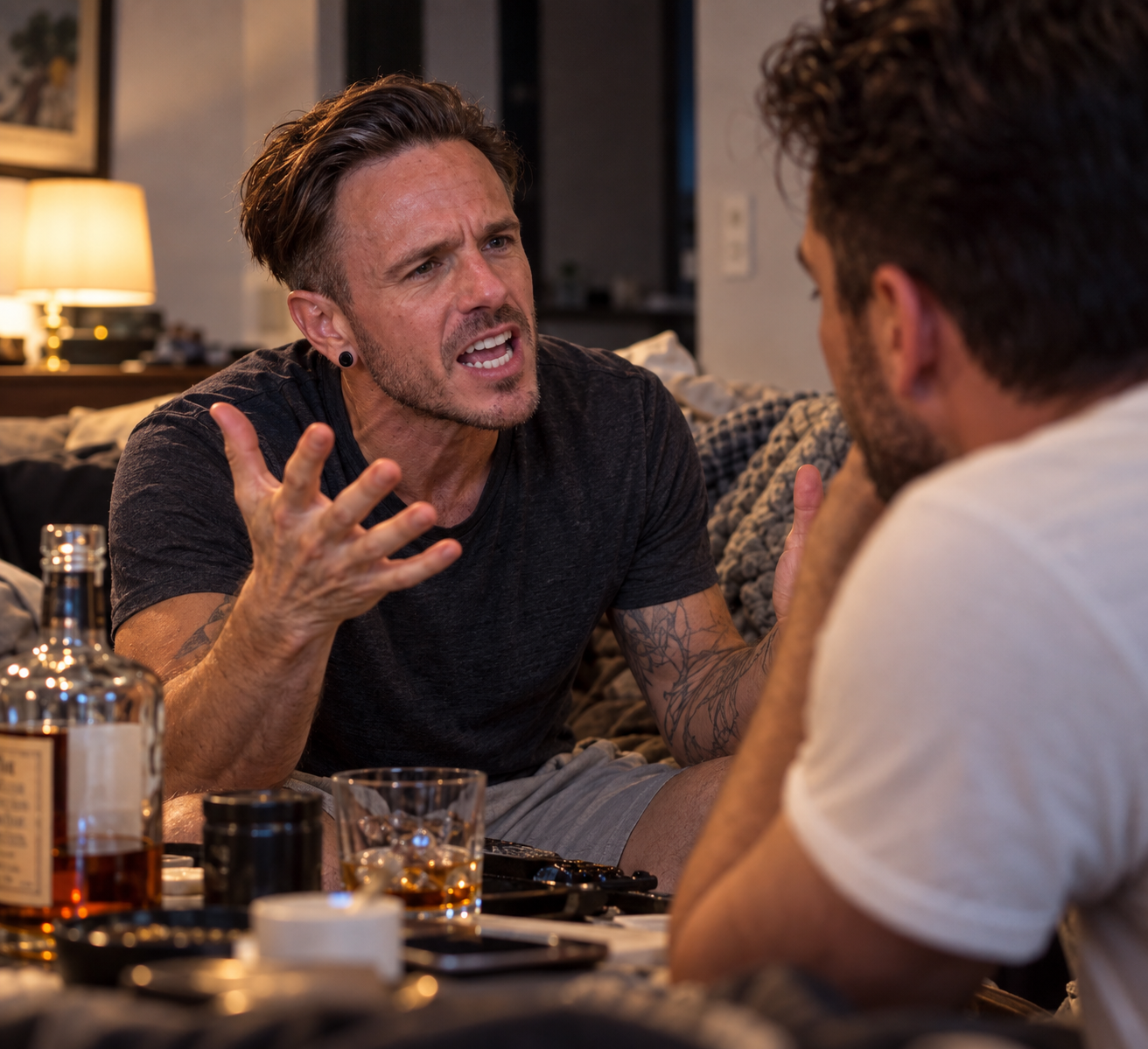
Why you react before you think has less to do with insight and more to do with nervous system state. This article breaks down Polyvagal Theory, explaining how physiology drives behavior under stress, why words stop working in conflict, and where responsibility actually lives once state shifts occur.
Brian Granneman, LMHC, CAP, CCTP, Naples Integrated Recovery

Complex Trauma Isn’t What You Think: Survival Roles, Shame, and the Nervous System
Complex trauma isn’t just about catastrophic events—it’s about chronic emotional misattunement that shapes the nervous system, identity, and adult behavior. This article explores survival roles, shame, and why discipline and insight alone don’t heal what was learned in relationship.
Brian Granneman, LMHC, CAP, CCTP, Naples Integrated Recovery
No Cows, No Problems: Adaptation After Loss
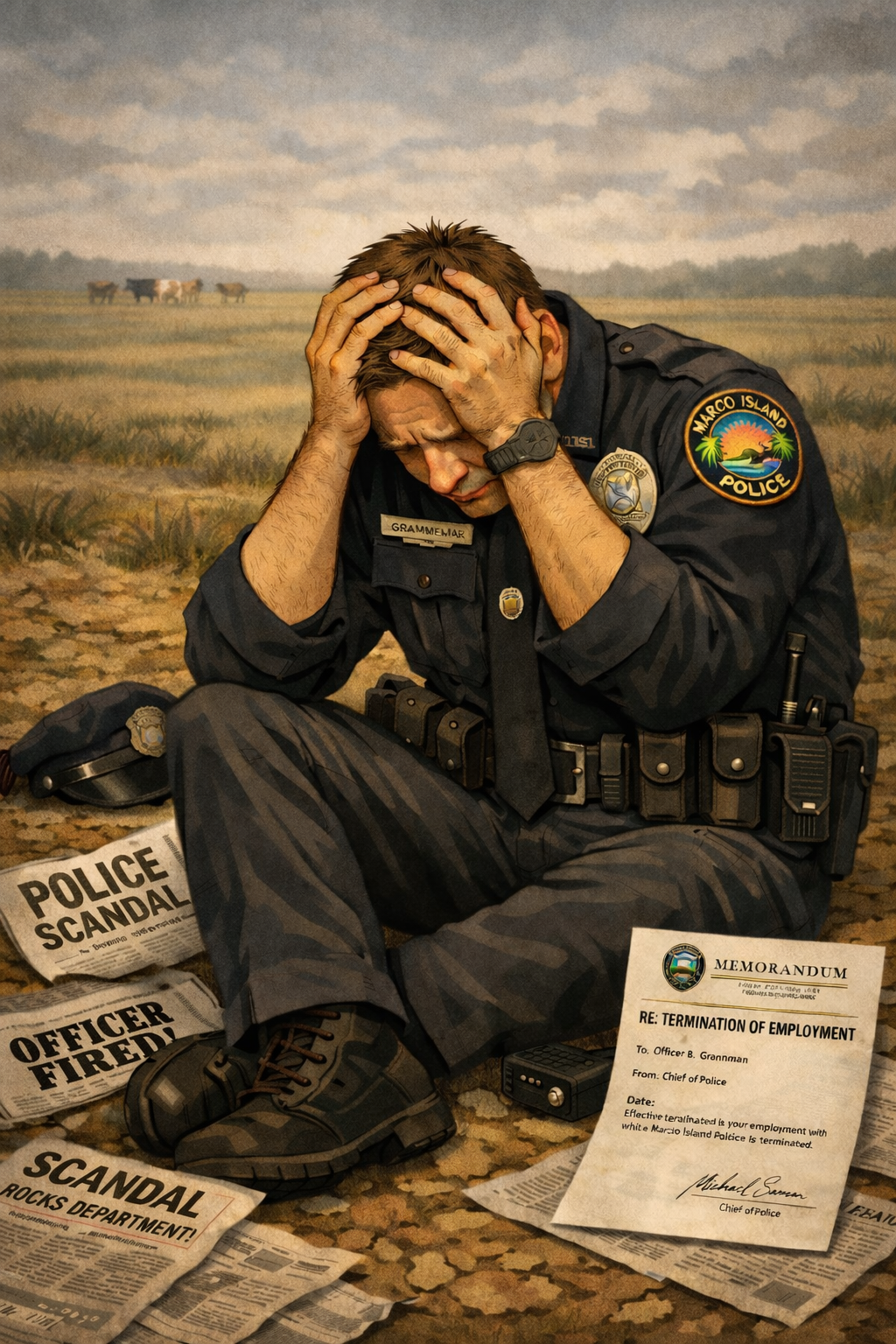
This article uses the parable of the lost cows to examine how identity, attachment, and public loss intensify suffering. It explores career collapse, humiliation, and why adaptation begins only when resistance to reality stops, reframing non-attachment as identity flexibility rather than detachment.
Brian Granneman, LMHC, CAP, CCTP, Naples Integrated Recovery,

How self Limiting Beliefs Lock in Your Life
Self-limiting beliefs rarely sound negative—they sound realistic, responsible, and mature. This article breaks down how “I’m just being realistic” quietly caps identity, protects outdated self-concepts, and shrinks behavior through fear and half-commitment, showing how identity actually changes through action, exposure, and nervous-system recalibration.
Brian Granneman, LMHC, CAP, CCTP, Naples Integrated Recovery

Nighttime Rumination, Nervous System Overdrive, and Why Sleep Feels Like a Fight
Nighttime rumination isn’t anxiety or overthinking—it’s a nervous system stuck in vigilance. This article explains why sleep feels like a fight, how daytime overload drives nighttime mental spirals, and what actually helps the body stand down without force or suppression.
Brian Granneman, LMHC, CAP, CCTP, Naples Integrated Recovery

Why Authenticity Isn’t Enough to Find Healthy Love
Most people don’t struggle in relationships because they’re broken, unlovable, or bad at dating. They struggle because they’re operating from a flawed model of attraction. In this episode, we unpack why authenticity alone doesn’t create healthy love, how attraction often forms around anxiety and deprivation rather than safety, and why chemistry can feel powerful while quietly pulling people toward partners who can’t meet them emotionally.
Brian Granneman, LMHC, CAP, CCTP, Naples Integrated Recovery

Why We’re So Harsh on Ourselves — And What Self-Compassion Actually Is
Why people are harsher on themselves than anyone else, how self-criticism functions as a threat response, and what self-compassion actually is—without softness, avoidance, or self-excuse. A grounded, psychologically accurate look at reducing suffering while maintaining responsibility and growth.
Brian Granneman, LMHC, CAP, CCTP, Naples Integrated Recovery

The Approval Prison — and the Self That’s Waiting Underneath
Approval-seeking quietly organizes identity, behavior, and relationships—shaping what people say, hide, and perform to stay connected. This piece examines the “Approval Prison” through an IFS lens, showing how protective parts learn to manage perception for safety, how Self gets buried underneath, and what changes when performance gives way to grounded, self-led presence.
Brian Granneman, LMHC, CAP, CCTP, Naples Integrated Recovery

How Breakups Rewire You: What You Carry Into Your Next Relationship
Breakups don’t just hurt—they rewire the nervous system. This article explores attachment loss, grief vs. bargaining, relief vs. healing, and how unresolved endings shape trust, regulation, and patterns in future relationships. Learn what a “clean ending” actually means and how integration builds capacity instead of carrying emotional debt forward.
Brian Granneman, LMHC, CAP, CCTP, Naples Integrated Recovery

Wise Mind After Tragedy
An in-depth examination of tragedy through DBT, neuroscience, and dialectical thinking. This episode explains Emotion Mind, Reasonable Mind, and Wise Mind, exploring fear, agency, accountability, and trauma responses in police-civilian encounters and public unrest, with a focus on accuracy over outrage.
Brian Granneman, LMHC, CAP, CCTP, Naples Integrated Recovery

Who’s Driving Your Car? — The Inner Parts That Hijack Your Reactions
A look at the inner “drivers” that hijack your reactions—anger, fear, shame, revenge—and how IFS helps you shift from parts-led chaos to grounded Self-leadership. Explores recovery identity, emotional protectors, and what it means to take the wheel of your life again. Brian Granneman, LMHC, CAP, CCTP, Naples Integrated Recovery