

Do I Need a Psychiatrist, Psychologist or a Psychotherapist?
Therapist, psychologist, psychiatrist, psychotherapist—the titles get confusing fast. This guide explains what each professional actually does, when testing or medication may matter, and why specialty and fit often matter as much as credentials.

How Am I Supposed to Know What’s Real Now After the Betrayal?
When infidelity or another major betrayal enters a relationship, rebuilding trust involves more than deciding whether to stay together. A changed explanation, missing detail, half-truth, or omission can bring the original betrayal right back into the room. In my work providing couples and marriage counseling in Naples, Florida, I often focus on this part of affair recovery: how two people rebuild a shared sense of reality after trust has been fractured.

When Fighting for Fairness Starts Costing You
What do you do when you have every reason to be angry, the problem is still happening, and fighting for fairness starts taking over your life? I look at what repeated conflict does to trust, how easily self-protection turns into hypervigilance, and what happens when fairness, money, responsibility, self-respect, and peace of mind all start competing. Amor fati and radical acceptance become practical here: dealing with the life that actually showed up and deciding how much of your energy the fight deserves.

Self-Fulfilling Prophecy: How Expectations Shape What Happens Next
Brian Granneman, LMHC, CAP, CCTP of Naples Integrated Recovery explains how self-fulfilling prophecies develop through trauma, anxiety, confirmation bias, and past relationship experiences.
When You Just Need Them to Admit It (and they won’t)
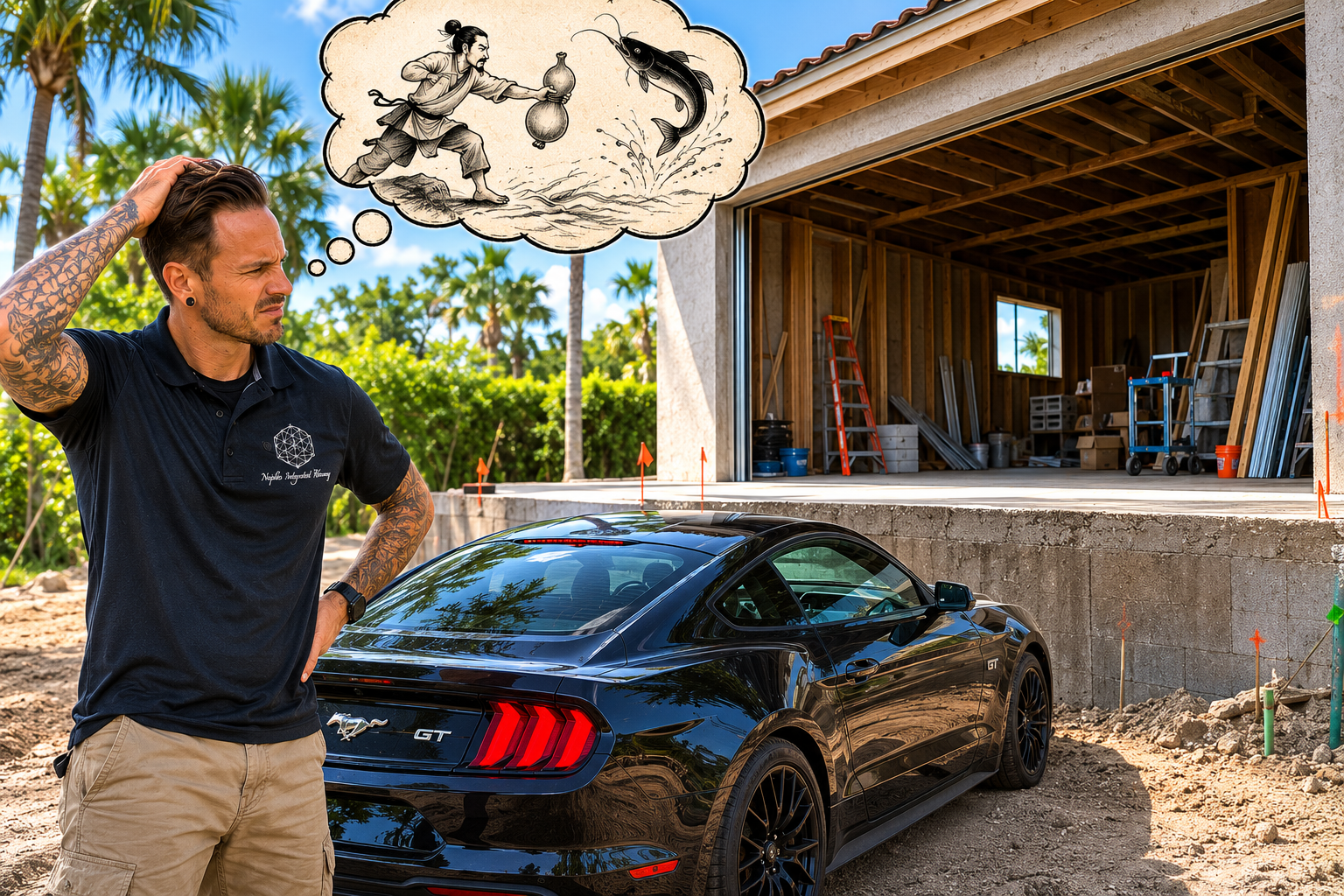
Why do we keep replaying the same argument, searching for better words, or waiting for someone to admit they were wrong? A contractor dispute and two Zen teachings reveal how justified anger can turn into rumination, resentment, and a demand for acknowledgment.

How Your Phone Has (negatively) Rewired Your Nervous System
Phones are no longer just tools. They have become nervous system regulators, dopamine dispensers, and escape hatches from boredom, silence, discomfort, and real-life connection. This article explores how smartphones changed childhood, weakened frustration tolerance, and trained both kids and adults to reach for stimulation before they even know what they are feeling.

Why You Keep Replaying Conversations After They’re Over and why Zebra’s Don’t Get Ulcers
Stress, unresolved tension, and perceived lack of control can keep the mind replaying conversations long after they are over. This article explains why rumination happens, how chronic activation keeps people stuck in mental review, and how action, clarity, and emotional regulation help interrupt the loop. Brian Granneman, LMHC, CAP, CCTP, Naples Integrated Recovery.

Money, Status, and the Lie of “A Little More”
Money can become a scoreboard for status, security, and self-worth. This article examines how comparison, early experiences, identity, and “just a little more” thinking shape financial behavior. It also looks at the difference between using money to build freedom and using money to keep proving value through performance. Brian Granneman, LMHC, CAP, CCTP, Naples Integrated Recovery.

Radical…“okay-ness”, How Awareness Can Reduce Emotional Reactivity
Emotional suffering isn’t caused by pain itself, but by resistance to reality. This article explores how awareness reduces reactivity by revealing impermanence, causality, and scope. When suffering is understood rather than fought, it loses its authority and becomes workable. Brian Granneman, LMHC, CAP, CCTP, Naples Integrated Recovery

Why Forgiveness Doesn’t Respond to Force
Why forcing forgiveness often backfires. This piece explains why resentment lingers when the nervous system stays activated, how retaliatory loops keep reactions alive, and why real peace comes through understanding and regulation. Brian Granneman, LMHC, CAP, CCTP, Naples Integrated Recovery.

Starting Over When You Didn’t Choose To
Starting over after disruption exposes a pattern: the attempt to restore what’s gone instead of working with what’s here. This article breaks down why rebuilding feels heavier the second time, how resistance slows progress, and what actually moves things forward when structure collapses. Brian Granneman, LMHC, CAP, CCTP, Naples Integrated Recovery
Still Not Enough: Why Insight Doesn’t Change Behavior
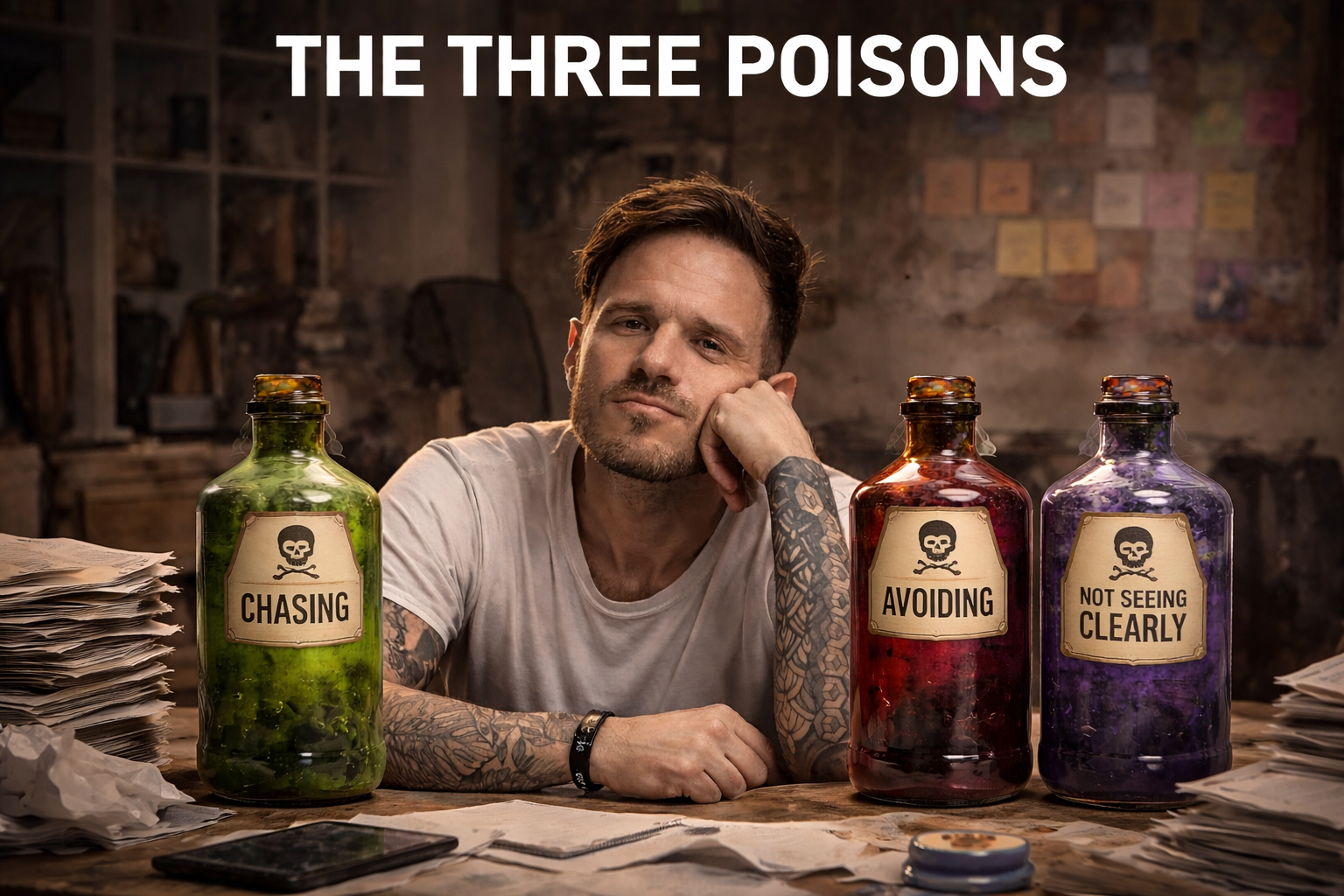
Insight alone doesn’t change behavior. Many people understand their patterns but still repeat them. This article breaks down the cycle of chasing relief, avoiding discomfort, and missing the pattern in real time—and how small, in-the-moment shifts create lasting change. Brian Granneman, LMHC, CAP, CCTP, Naples Integrated Recovery
Why You React Before You Think: Polyvagal Theory and the Nervous System Under Stress
Why you react before you think has less to do with insight and more to do with nervous system state. This article breaks down Polyvagal Theory, explaining how physiology drives behavior under stress, why words stop working in conflict, and where responsibility actually lives once state shifts occur.
Brian Granneman, LMHC, CAP, CCTP, Naples Integrated Recovery

No Cows, No Problems: Adaptation After Loss
This article uses the parable of the lost cows to examine how identity, attachment, and public loss intensify suffering. It explores career collapse, humiliation, and why adaptation begins only when resistance to reality stops, reframing non-attachment as identity flexibility rather than detachment.
Brian Granneman, LMHC, CAP, CCTP, Naples Integrated Recovery,

Why Most Therapy Fails to Touch the Real Problem
Why therapy often fails to create real change: it treats symptoms while avoiding the deeper human pressures beneath anxiety, addiction, trauma, and relationship distress. This article explains how healing comes from building capacity for responsibility, uncertainty, and engagement—not comfort or reassurance.
Brian Granneman, LMHC, CAP, CCTP, Naples Integrated Recovery

Pleasure Isn’t the Point: Why Addiction Is About Seeking, Not Enjoyment
Addiction isn’t about pleasure—it’s about relief, regulation, and nervous system survival. This article explains why compulsive behavior persists long after pleasure fades, how avoidance and emotional pain drive use, and what actually supports lasting change beyond willpower or shame.
Brian Granneman, LMHC, CAP, CCTP, Naples Integrated Recovery

How self Limiting Beliefs Lock in Your Life
Self-limiting beliefs rarely sound negative—they sound realistic, responsible, and mature. This article breaks down how “I’m just being realistic” quietly caps identity, protects outdated self-concepts, and shrinks behavior through fear and half-commitment, showing how identity actually changes through action, exposure, and nervous-system recalibration.
Brian Granneman, LMHC, CAP, CCTP, Naples Integrated Recovery

Nighttime Rumination, Nervous System Overdrive, and Why Sleep Feels Like a Fight
Nighttime rumination isn’t anxiety or overthinking—it’s a nervous system stuck in vigilance. This article explains why sleep feels like a fight, how daytime overload drives nighttime mental spirals, and what actually helps the body stand down without force or suppression.
Brian Granneman, LMHC, CAP, CCTP, Naples Integrated Recovery

Why We’re So Harsh on Ourselves — And What Self-Compassion Actually Is
Why people are harsher on themselves than anyone else, how self-criticism functions as a threat response, and what self-compassion actually is—without softness, avoidance, or self-excuse. A grounded, psychologically accurate look at reducing suffering while maintaining responsibility and growth.
Brian Granneman, LMHC, CAP, CCTP, Naples Integrated Recovery

When “Healthy” Relationships Go Quiet: Sex, Silence, and the Erosion of Intimacy
Sexual silence erodes intimacy long before overt conflict appears. This article explores how anxiety—not morality—often drives sexual rules, how unspoken desire fractures connection, and why honest conversation protects relationships more reliably than control, restriction, or avoidance.
Brian Granneman, LMHC, CAP, CCTP, Naples Integrated Recovery