

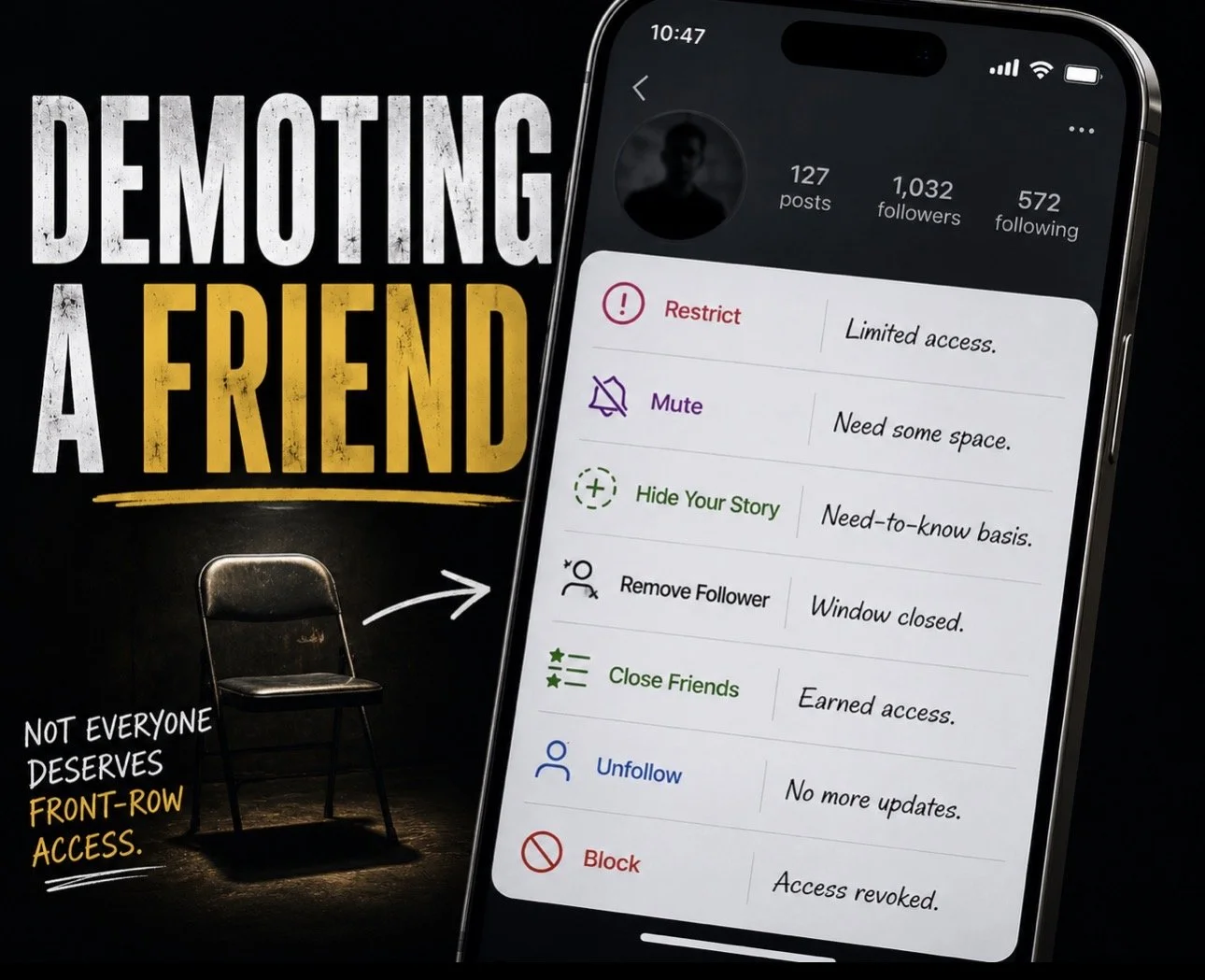
Stop Giving Inner-Circle Access to Outer-Circle People
Some friendships do not need an immediate ending, but they may need less access. This article explores boundaries, emotional access, resentment, and reclassifying relationships based on the evidence instead of your expectations.

More Than Tough: The Real Work of Being a Man
We teach men that toughness means silence, but true strength begins with self-awareness. Drawing from law enforcement, Stoicism, and modern psychology, this essay explores how vulnerability, emotional mastery, and courage redefine what it really means to be a man. Brian Granneman, LMHC, CAP, CCTP, Naples Integrated Recovery

Outgrowing old frameworks
Outgrowing Old Frameworks explores what happens when growth outpaces the teachers and systems that once felt sacred. Through trauma integration, IFS, and shadow work, it redefines “doing the work” as evolving beyond external validation—moving from obedience to authentic, self-led spiritual maturity. Brian Granneman, LMHC, CAP, CCTP, Naples Integrated Recovery

Reading the Room: Where Safety, Bias, and Accountability Intersect
A grounded look at how instinct, conditioning, and personal responsibility shape the way we read safety and tension in others. Blends trauma-awareness with accountability, Stoicism, and real-world experience to explore honest dialogue without shame or performative morality. Brian Granneman, LMHC, CAP, CCTP, Naples Integrated Recovery
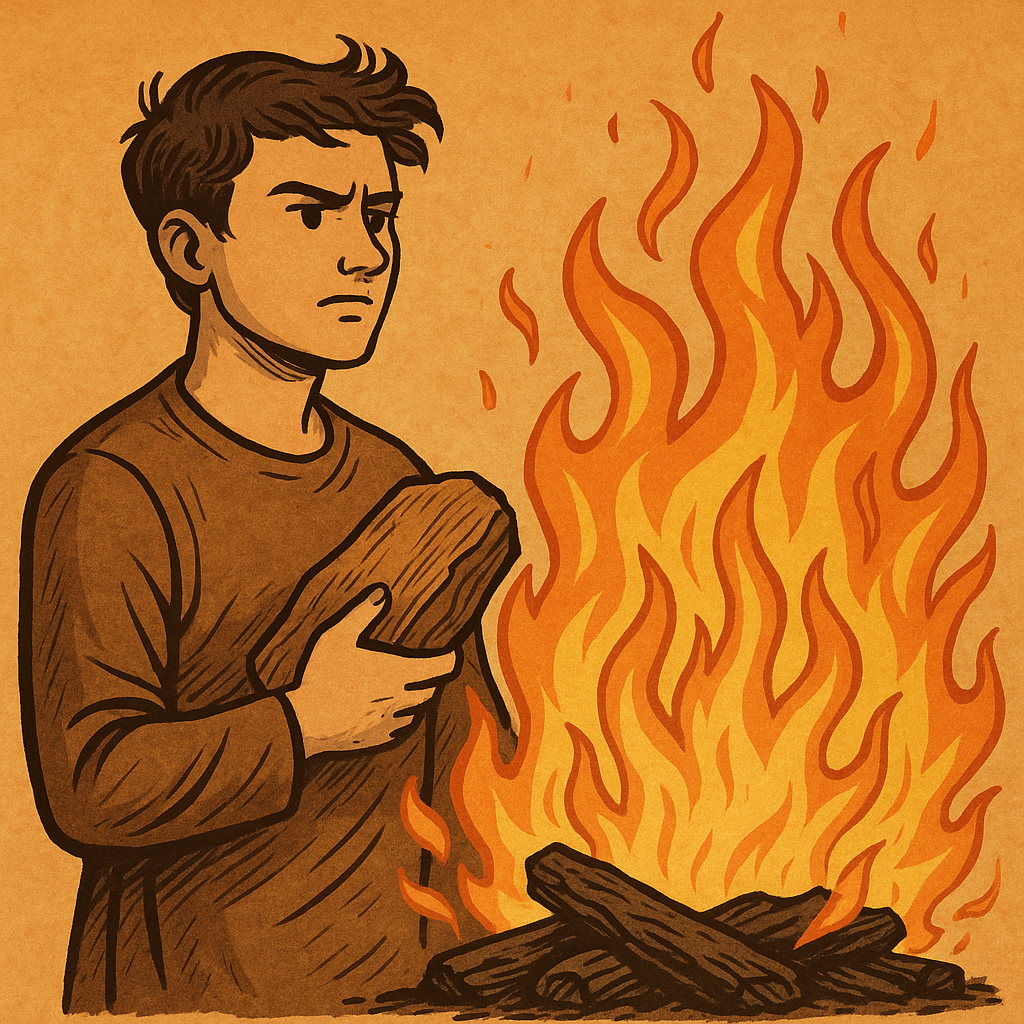
Turning Pain into Fuel Instead of Suffering
Amor Fati—the Stoic and Nietzschean concept of loving one’s fate—teaches us to embrace challenges, not just endure them. This mindset turns adversity into fuel for growth, helping us find meaning, resilience, and purpose in even the hardest experiences. Learn how to transform pain into power through radical acceptance. Brian Granneman, LMHC, CAP, CCTP, Naples Integrated Recovery

Finding Peace in a World on Fire
In the wake of Charlie Kirk’s death, online vitriol left me asking: not how to fix the world, but how to keep my own peace. By recognizing the poisons of ignorance, greed, and hatred—and practicing their antidotes of wisdom, gratitude, and loving kindness—I’ve found small ways to stay grounded in compassion, even in times of chaos. Brian Granneman, LMHC, CAP, CCTP, Naples Integrated Recovery

Why Facts Don’t Change Minds — and What Stoicism Gets Right
A Stoic look at why people double down on beliefs when challenged, how ego fuels defensiveness, and how humility, curiosity, and self-examination create real openness to truth. A guide to reducing reactivity and strengthening clarity in a polarized world. — Brian Granneman, LMHC, CAP, CCTP, Naples Integrated Recovery

Consistency, Outrage, and Looking in the Mirror
Consistency in politics collapses when outrage is selective. People denounce “tyranny” only when it helps their side, ignoring the same behavior when it benefits their own group. A Stoic lens calls for accountability, steadiness, and holding principles above tribal loyalty.
Brian Granneman, LMHC, CAP, CCTP, Naples Integrated Recovery

From Scorekeeping to Radical Generosity: Rethinking Modern Relationships
Modern relationships often break down not from imperfection but from constant scorekeeping. Explore how shifting from fairness to radical generosity creates connection, reduces resentment, and strengthens partnership through shared intention and accountability. Written by Brian Granneman, LMHC, CAP, CCTP — Naples Integrated Recovery.

The Stoics on Forgiving and releasing a grudge
Epictetus teaches that people who wrong us act from confusion, not clarity. Wrongdoing harms the wrongdoer first by destroying judgment and virtue, making anger unnecessary. Letting go of grudges restores peace while maintaining boundaries.
Brian Granneman, LMHC, CAP, CCTP
Naples Integrated Recovery

Handling Your Partner’s Bad Mood Without Losing Yourself
When your partner is in a bad mood, it’s easy to take it personally. But true emotional resilience comes from differentiation—the ability to stay grounded without absorbing their emotions. Learn how to support your partner without losing yourself, set healthy boundaries, and navigate emotional space with trust and respect. Strengthen your relationship by balancing empathy with self-care. Brian Granneman, MA, LMHC, CAP, CCTP — Naples Integrated Recovery.

Control Freak? Why We Chase External Security and What It Really Costs Us
In a world where we often seek control and validation from others, many struggle with anxiety and fear stemming from past experiences of powerlessness. This article explores how to cultivate internal security by shifting focus from external reassurance to self-love and self-care. By recognizing old patterns and learning to trust ourselves, we can navigate relationships and life’s uncertainties with resilience and confidence. Brian Granneman LMHC CAP CCTP Naples Integrated Recovery