

Why You Keep Replaying Conversations After They’re Over and why Zebra’s Don’t Get Ulcers
Stress, unresolved tension, and perceived lack of control can keep the mind replaying conversations long after they are over. This article explains why rumination happens, how chronic activation keeps people stuck in mental review, and how action, clarity, and emotional regulation help interrupt the loop. Brian Granneman, LMHC, CAP, CCTP, Naples Integrated Recovery.

Money, Status, and the Lie of “A Little More”
Money can become a scoreboard for status, security, and self-worth. This article examines how comparison, early experiences, identity, and “just a little more” thinking shape financial behavior. It also looks at the difference between using money to build freedom and using money to keep proving value through performance. Brian Granneman, LMHC, CAP, CCTP, Naples Integrated Recovery.

Broken Mirror Syndrome: When Trauma Warps Self-Evaluation in Real Time
Broken Mirror Syndrome explains how trauma distorts self-evaluation in real time. Feedback feels like condemnation, mistakes become identity, and perfectionism drives shame. Learn how nervous system activation, attachment history, and attentional bias shape self-criticism—and how to recalibrate toward accurate, behavior-focused accountability.
Brian Granneman, LMHC, CAP, CCTP, Naples Integrated Recovery
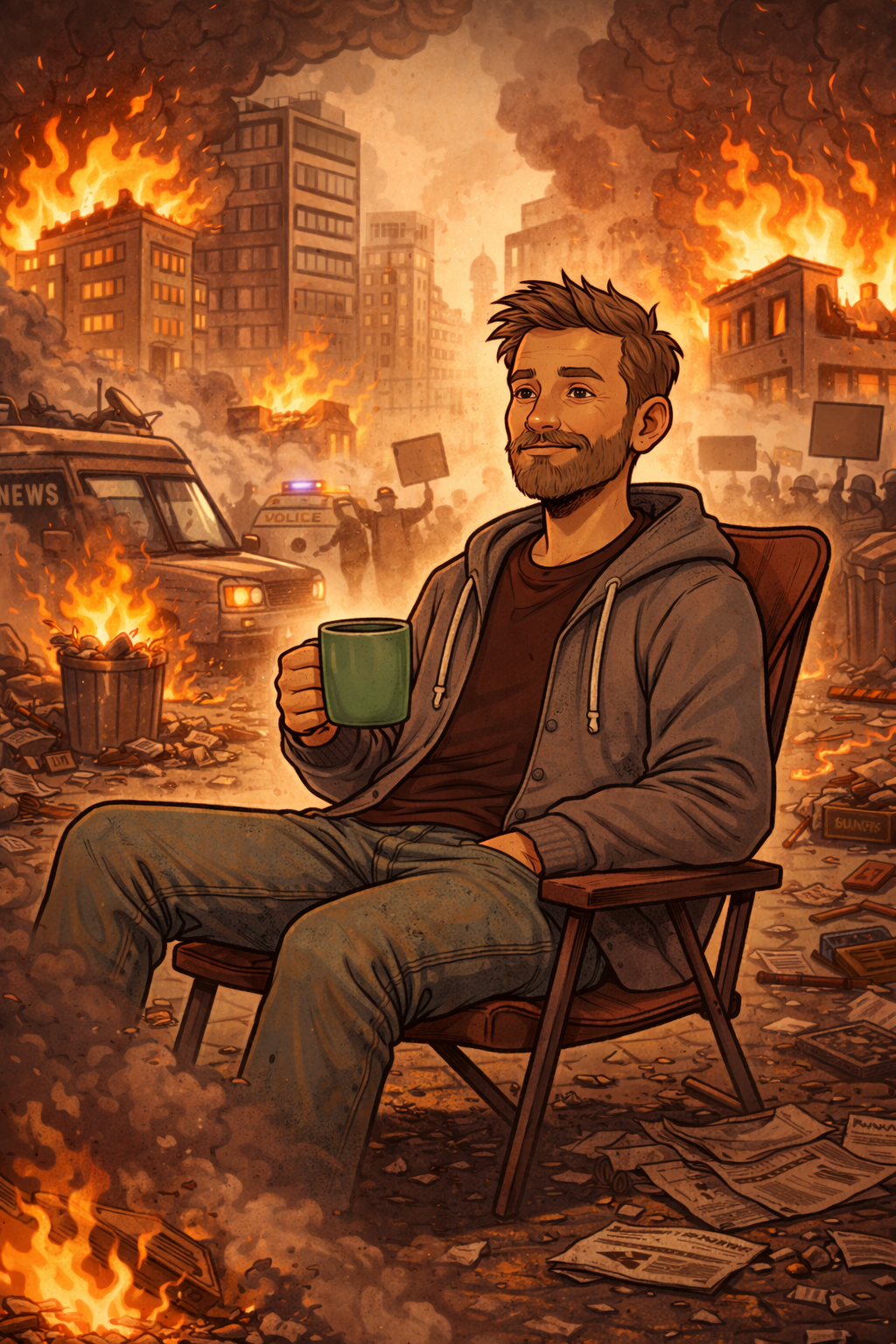
Radical…“okay-ness”, How Awareness Can Reduce Emotional Reactivity
Emotional suffering isn’t caused by pain itself, but by resistance to reality. This article explores how awareness reduces reactivity by revealing impermanence, causality, and scope. When suffering is understood rather than fought, it loses its authority and becomes workable. Brian Granneman, LMHC, CAP, CCTP, Naples Integrated Recovery

Disarming a Condescending Person Without Proving Yourself
Condescension only works when self-doubt takes the wheel. This article breaks down why patronizing behavior destabilizes people, how the reflex to prove yourself hands power away, and how self-trust, regulation, and clear boundaries disarm it in work, family, and authority dynamics.
Brian Granneman, LMHC, CAP, CCTP, Naples Integrated Recovery

Happiness Isn’t the Goal — Joy Comes From How You Live
Happiness isn’t the goal. Joy isn’t about feeling good all the time. It’s about building stability when emotions shift. This article explains why happiness fails as a life goal and how joy emerges as a byproduct of perspective, acceptance, and grounded living. Brian Granneman, LMHC, CAP, CCTP, Naples Integrated Recovery

How Breakups Rewire You: What You Carry Into Your Next Relationship
Breakups don’t just hurt—they rewire the nervous system. This article explores attachment loss, grief vs. bargaining, relief vs. healing, and how unresolved endings shape trust, regulation, and patterns in future relationships. Learn what a “clean ending” actually means and how integration builds capacity instead of carrying emotional debt forward.
Brian Granneman, LMHC, CAP, CCTP, Naples Integrated Recovery

Wise Mind After Tragedy
An in-depth examination of tragedy through DBT, neuroscience, and dialectical thinking. This episode explains Emotion Mind, Reasonable Mind, and Wise Mind, exploring fear, agency, accountability, and trauma responses in police-civilian encounters and public unrest, with a focus on accuracy over outrage.
Brian Granneman, LMHC, CAP, CCTP, Naples Integrated Recovery

The Cost of Living Ahead of the Moment: Why Awareness Alone Isn’t Enough
Most people don’t lack awareness—they’re exhausted from living ahead of themselves. This article explains why “be present” advice fails, how attention gets trapped in unfinished moments, and how awareness restores proportion and reduces unnecessary mental load. Brian Granneman, LMHC, CAP, CCTP, Naples Integrated Recovery

Feeling Stuck? How to Break Free and Move Forward
Feeling stuck in life or work? Learn how Stoic principles and small daily actions can help you break free from languishing, overcome self-doubt, and make meaningful changes. Discover why shifting perspective, caring for your health, and sometimes making bold moves are the keys to building momentum and moving forward.

The Empty Boat: Learning Not to Take Things Personally
The Empty Boat parable teaches us not to take life’s bumps so personally. Sometimes anger arises not from what happens, but from the story we tell ourselves about why it happened. By seeing life’s collisions as drifting boats on the river, we can respond with mindfulness, compassion, and freedom instead of reactivity.

Why “Forever” Doesn’t Work — and What Healthy Love Actually Looks Like
Impermanence shapes every relationship, identity, and stage of life. This article explores why clinging creates suffering, how to honor past versions of yourself without shame, and what it means to choose love and commitment in the present moment rather than chasing permanence.
Brian Granneman, LMHC, CAP, CCTP, Naples Integrated Recovery

How Attachment and the Nervous System Amplify Conflict — and When They’re Not the Problem
Intimate relationships activate the nervous system faster than logic. This article explains why partners trigger each other so intensely, how attachment patterns and negativity bias shape conflict, and why structure, repair, and reassurance—not insight alone—create real relational safety. Brian Granneman, LMHC, CAP, CCTP, Naples Integrated Recovery
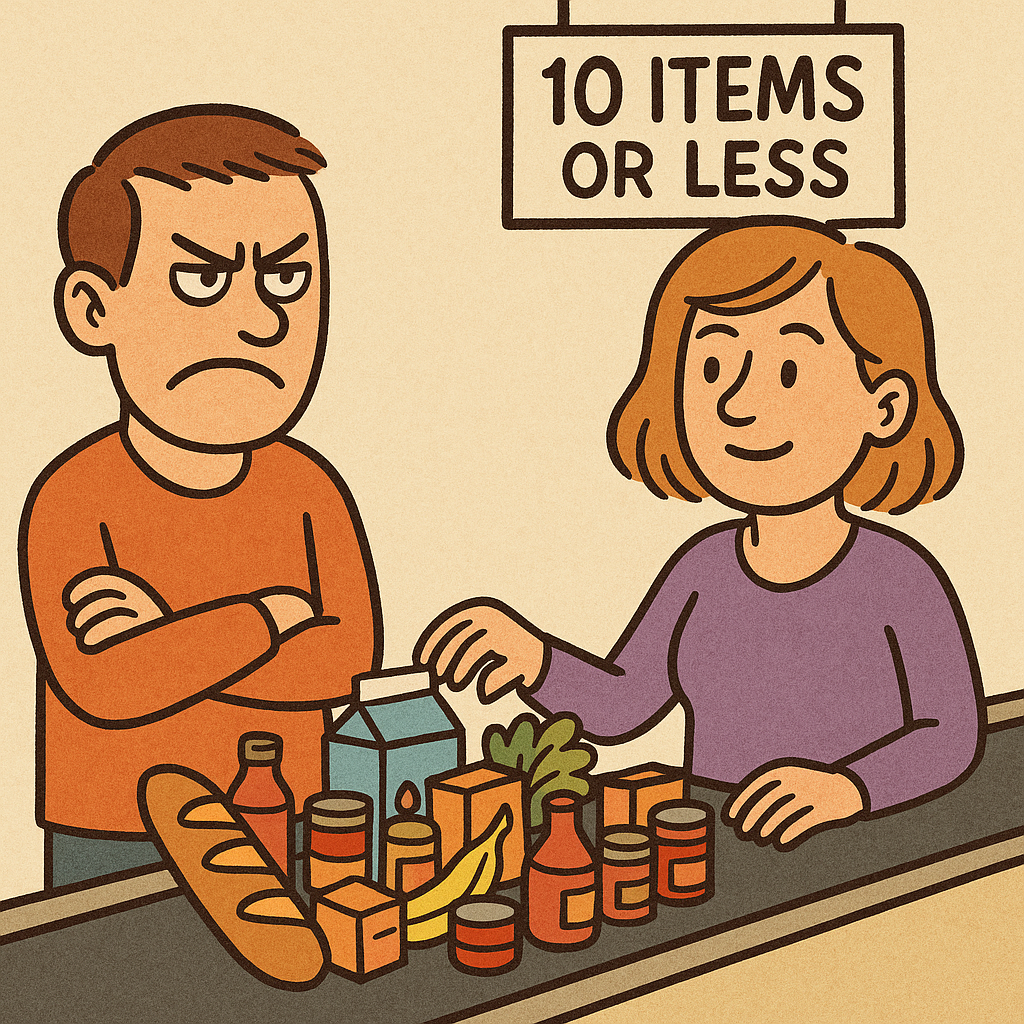
When the Lizard Brain Hijacks an Otherwise Functional Adult
Hardwired reactivity hits first — the amygdala fires in about 12 milliseconds, long before the thinking brain comes online. That’s why even as a licensed, highly trained professional with a full private practice and a life built on responsibility, you can still get hijacked by instinct. The second arrow — the story you tell yourself — is where CBT, neurobiology, and vulnerability work intersect, helping you shift from reflexive reaction to grounded response.
Brian Granneman, LMHC, CAP, CCTP, Naples Integrated Recovery

The Raft: Outgrowing What Once Carried You
A reflection on outgrowing the structures that once held you together — recovery frameworks, identities, relationships, or belief systems — and learning to let go without shame. A grounded look at growth, differentiation, and honoring what carried you without staying confined to it.
Brian Granneman, LMHC, CAP, CCTP, Naples Integrated Recovery

Why Adult Friendships Change (And Why It’s Rarely Personal)
Adult friendships change because the conditions that once made connection effortless—proximity, timing, and energy—shift as life evolves. This article explains why friendships fade, why it’s rarely personal, and how to stop misinterpreting normal drift as rejection while building healthier, more intentional adult relationships. Brian Granneman LMHC, CAP, CCTP Naples Integrated Recovery
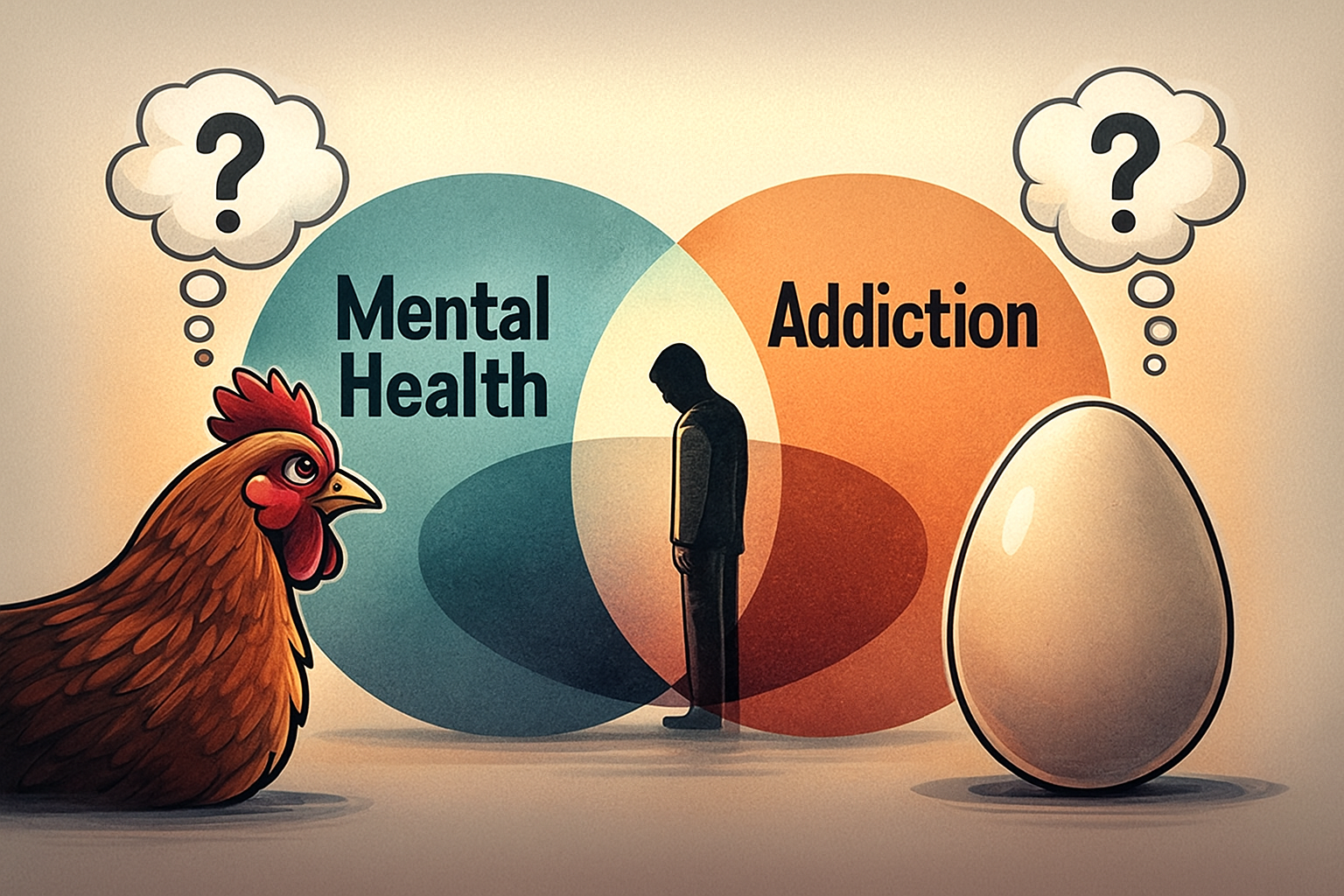
The Overlap Between Mental Health and Addictions
Mental health disorders and addiction often intersect, creating confusion and making recovery difficult. Co-occurring disorders require accurate diagnosis and integrated treatment. If you or a loved one struggle with substance use and overwhelming emotions, understanding this connection is key to healing. Learn how to navigate addiction, mental health, and the path to long-term recovery. Brian Granneman, LMHC, CAP, CCTP Naples Integrated Recovery
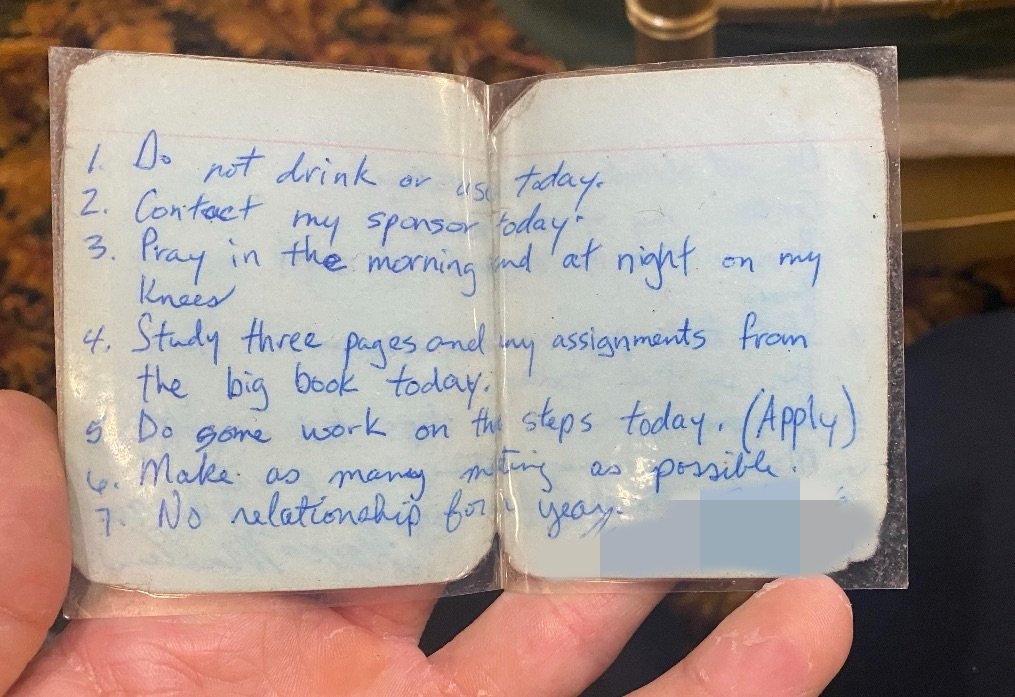
Progress Over Hype: The Real Meaning of “Burn the Boats” in Recovery and Change
Progress isn’t about hype or motivation—it’s quiet discipline built through structure, repetition, and commitment. Explore how lasting change happens when identity shifts, excuses end, and you “burn the boats” that keep you stuck. Brian Granneman, LMHC, CAP, CCTP Naples Integrated Recovery

Reasonably Happy: Contentment and being at Ease in an Uncertain World
We spend years chasing happiness like a finish line — the next degree, paycheck, or sense of freedom that will finally make life feel settled. But happiness fades when it depends on conditions. This essay explores how joy and contentment grow from capacity, not control — and how peace begins when we stop waiting for it. Brian Granneman, LMHC, CAP, CCTP, Naples Integrated Recovery
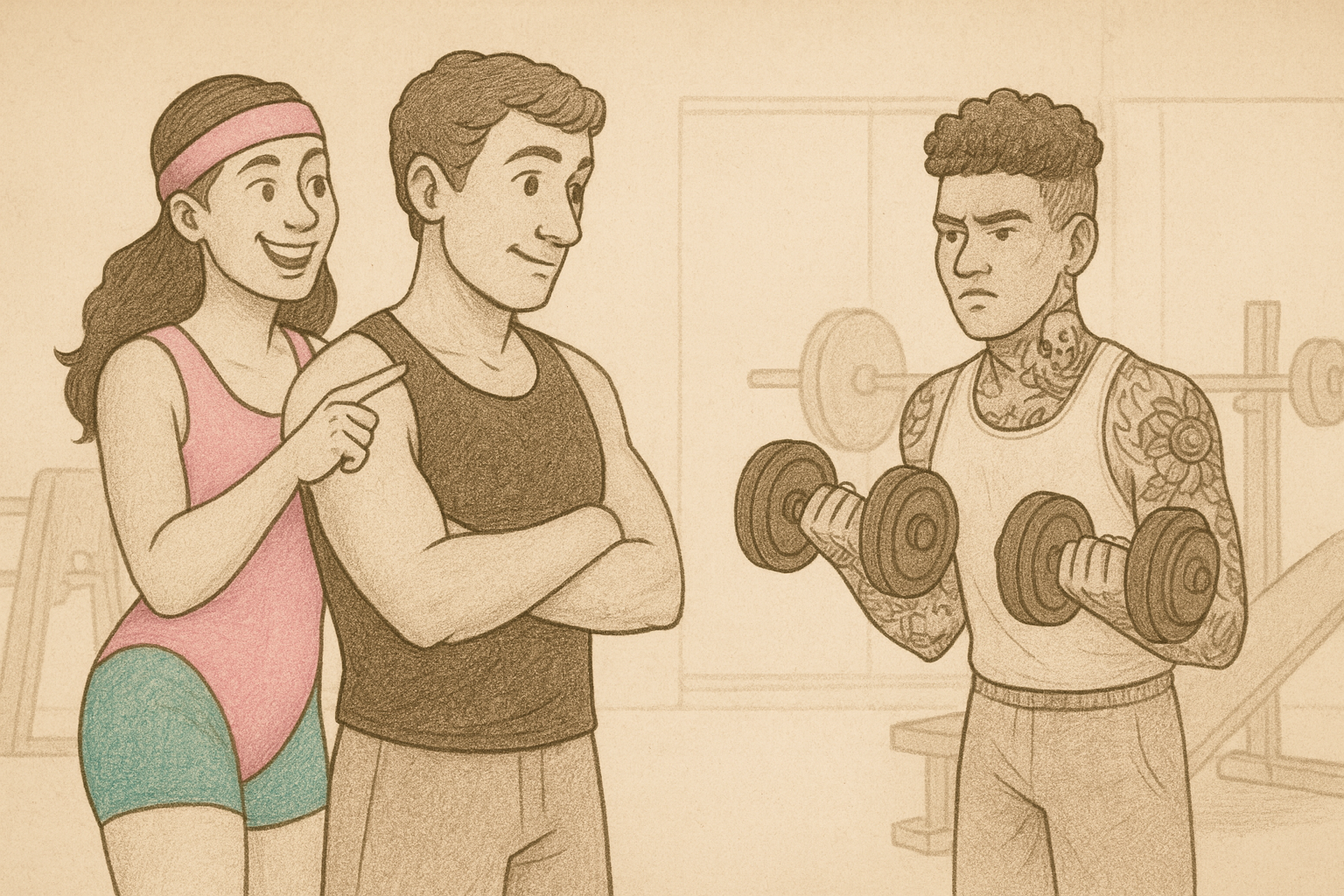
got a broken ‘picker’? The Psychology of Attraction and Attachment
How attraction, attachment, and evolution intertwine. Why we’re drawn to certain partners, how our nervous system shapes love and conflict, and what it means to outgrow familiar chemistry for genuine connection. Learn how biology, projection, and regulation all shape the way we love. Brian Granneman, LMHC, CAP, CCTP