
Hey there, I’m Brian.
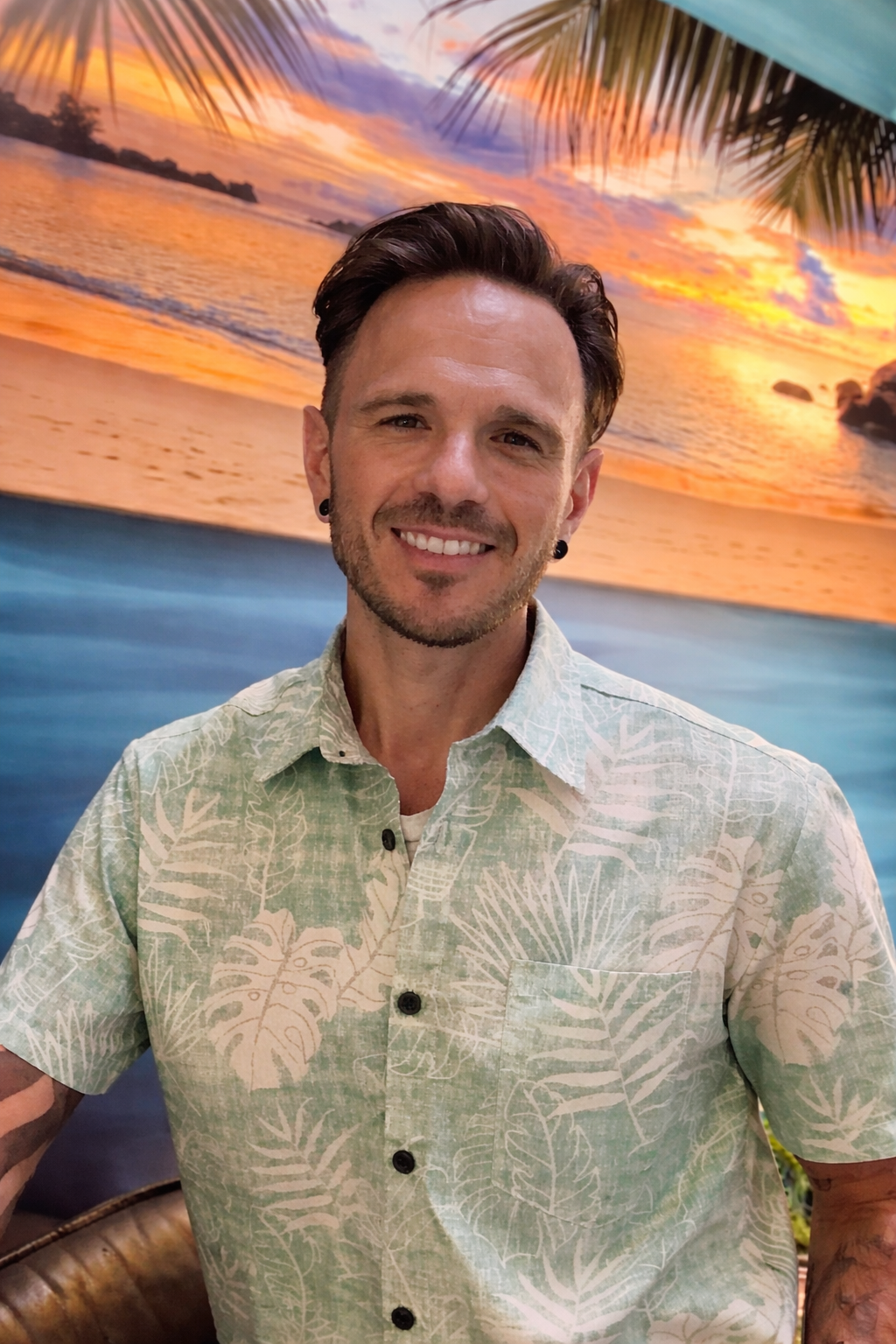
I became a therapist after having to rebuild my own life.
Brian Granneman · LMHC · CAP · CCTP
I’m a Licensed Mental Health Counselor, Certified Addiction Professional, and Certified Clinical Trauma Professional. I work with adults, couples, and families dealing with trauma, addiction, relationship problems, anxiety, shame, anger, grief, emotional reactivity, and patterns that have become difficult to change.
Part of My Journey
The route into this work was personal.
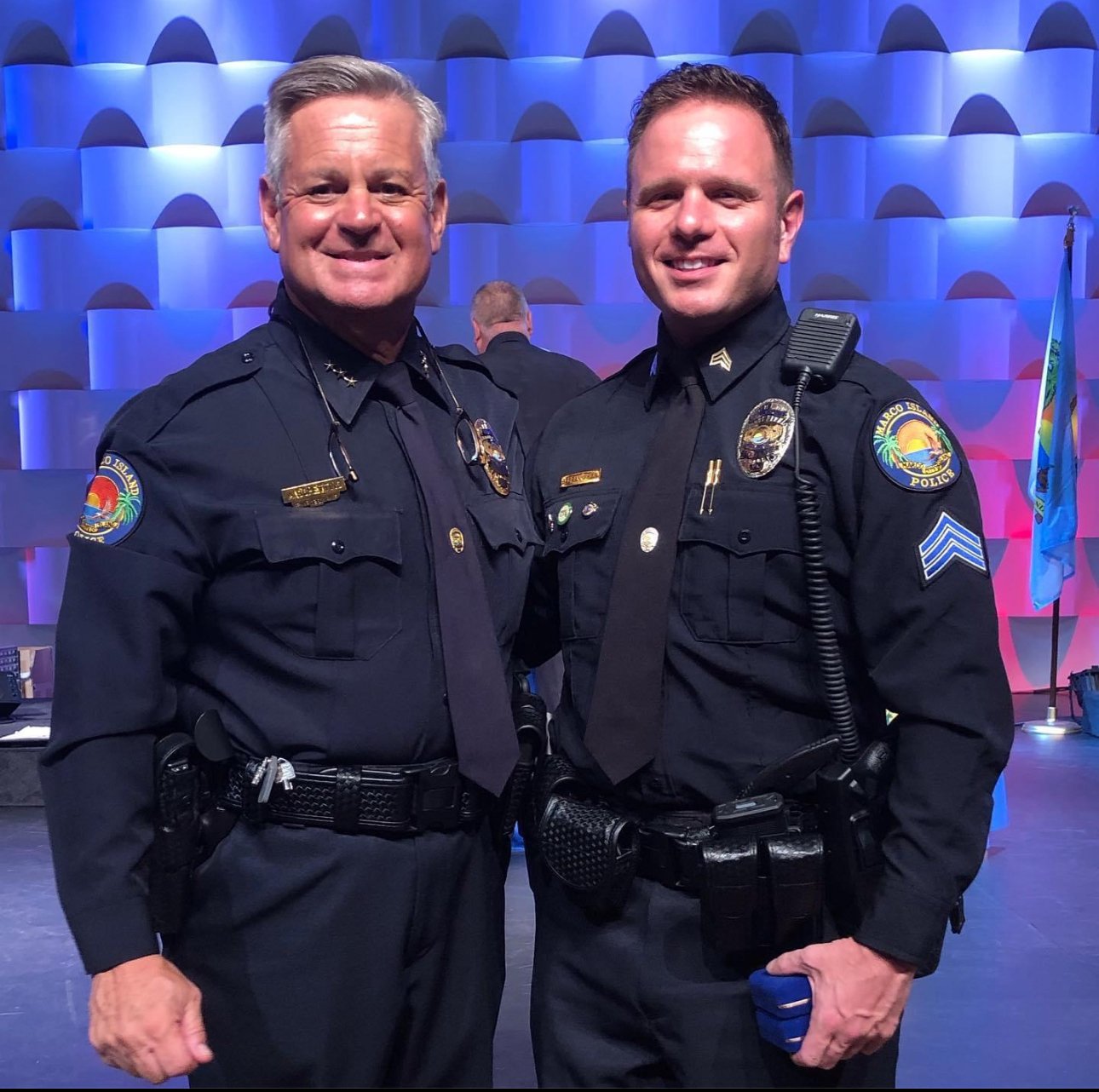
I spent 12 years in law enforcement, working in patrol, traffic, investigations, and field supervision. During those same years, alcohol was steadily taking over my life.
At 34, I made two of the hardest calls of my life. I called my mom, who had spent years tearfully watching my drinking get worse while I kept trying and failing to change it. Then I called my police chief and told him I couldn’t stop and needed outside help. That same day, I entered treatment.
Within a week of returning from treatment, I was demoted by the new police chief who had taken over while I was in treatment. I was placed under the supervision of a former peer in whom I had little confidence as a supervisor. It was professionally degrading and deeply humiliating, especially while I was trying to regain my footing in early recovery.
Until then, my personnel file reflected a career marked by positive evaluations, awards, and commendations. About a month later, that same chief terminated me—oddly enough, for reasons unrelated to my drinking.
My recovery began through two separate collapses. The first was alcohol-driven and led me into treatment. The second unfolded in sobriety as I was demoted and then lost the career that had organized my life until that point. I had almost no sense of who I was without the badge, the role, the structure, or the life I had built around them. I was left facing overwhelming pain and forced to confront the experiences, beliefs, and emotions I had spent decades avoiding. I felt crushed from every direction and was faced with collapse or rebuild.
Rebuilding meant creating a new life and, in many ways, a completely new identity. Treatment changed the direction of my career. I experienced what skilled counseling could accomplish when I became honest about what was happening, accepted responsibility for what came next, and allowed other people to help me through it.

Despite carrying a deeply rooted belief that I was not smart enough for graduate school, I went back to school and earned a master’s degree in Addiction Counseling: Integrated Recovery for Co-Occurring Disorders from the Hazelden Betty Ford Graduate School of Addiction Studies.
The degree extended well beyond addiction itself. The program focused on trauma, anxiety, depression, family and relationship dynamics, and the underlying patterns that can drive substance use and other ways people cope with pain, fear, shame, or emotional distress. We learned to treat the whole pattern rather than focusing only on the behavior that had become most visible.
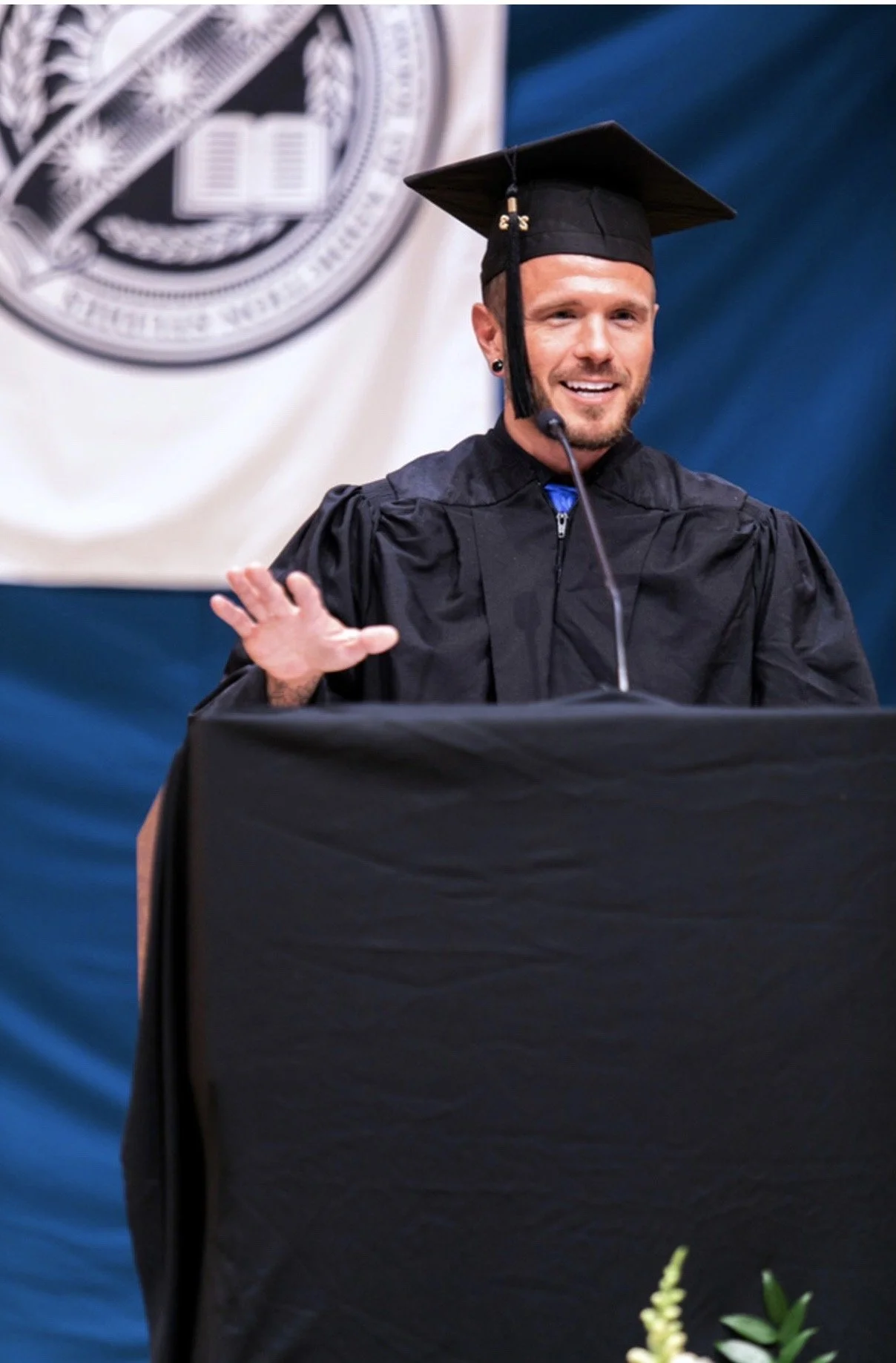
I graduated with a 4.0 GPA, received the Chief Academic Officer’s Award of Excellence, served as the student-elected cohort representative, and delivered the keynote address at commencement. That experience became another part of rebuilding my identity and challenging beliefs about myself that I had carried for years without ever seriously testing.
After law enforcement, I worked in child protective investigations, community mental health, and addiction treatment before moving into private practice. Those settings gave me a close view of crisis, family systems, trauma, resistance, and recovery.
My lived experience informs how I work without making the session about me. I understand addiction, shame, resistance, consequences, rebuilding, and the distance between understanding a pattern and actually changing it.
In the Room
Calm, direct, and engaged.
A quick hello if you want to hear my voice before reaching out.
Clients tend to experience me as calm, direct, and difficult to shock. I listen closely, pay attention to patterns and contradictions, and say what I see. I am comfortable staying with difficult material and strong emotion without rushing to clean it up or turn everything into a clinical exercise.
You can show up uncertain, frustrated, ashamed, defensive, ambivalent, angry, or ready to get to work. I will take you seriously, stay engaged, and keep the conversation connected to what is actually happening in your life.
Read more about my approach to therapy → Integrated Treatment
Beyond the therapy room.
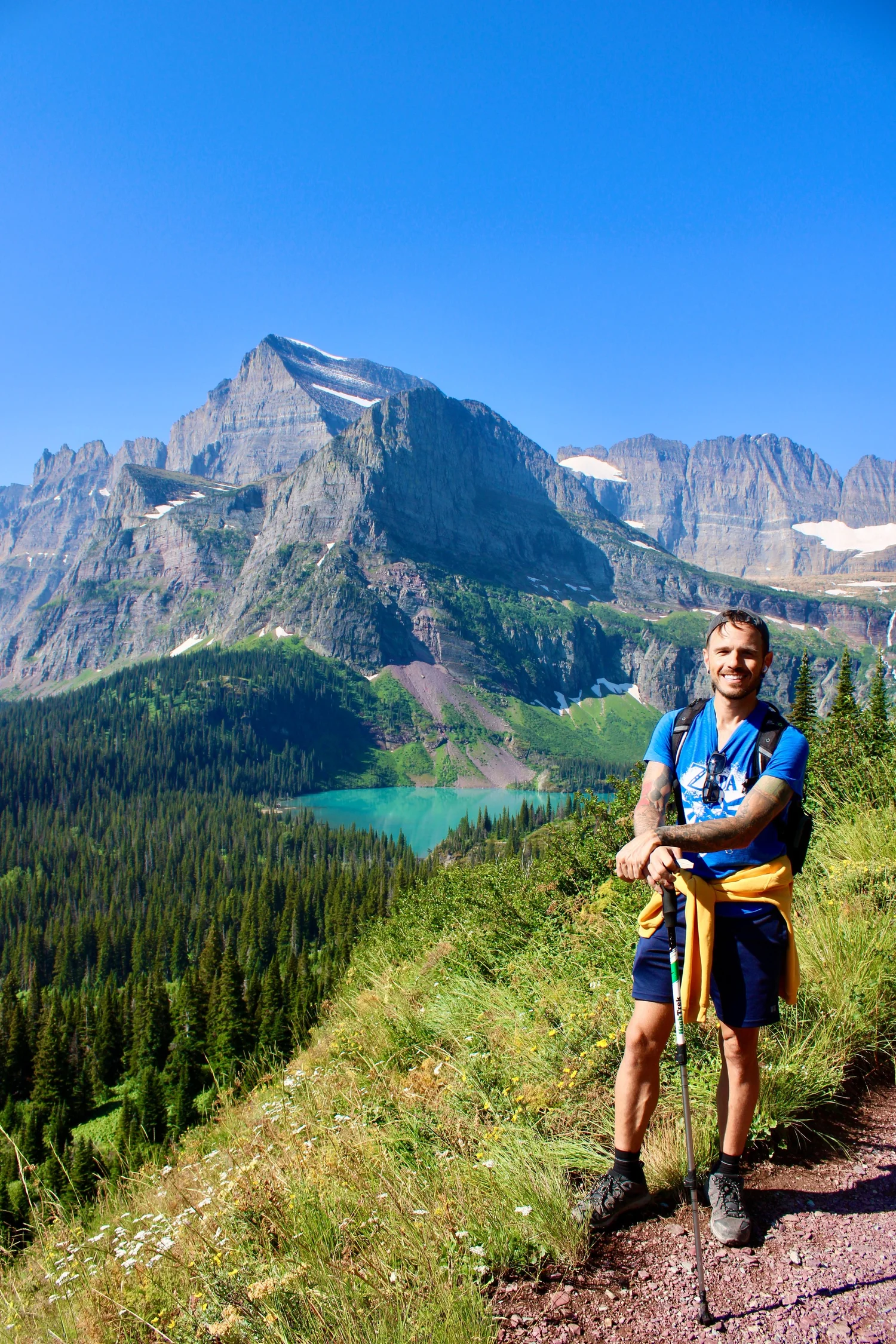
When I am away from work, I enjoy playing music, gardening, exercising, hiking, traveling, reading, and spending time with my partner and our pets.
I remain involved in peer-led recovery communities and continue doing my own work. Recovery and self-development have taken me through different communities and practices over the years, including mindfulness and Buddhist approaches that emphasize awareness, responsibility, and a less shaming relationship with being human.
That commitment to my own continued growth also informs Doing The Work, my podcast about the patterns, relationships, recovery questions, and uncomfortable parts of actually changing a life.
I value a life with room for discipline, humor, curiosity, rest, relationships, and experiences that pull me out of routine.
Connect or Schedule
Take the next step that makes sense for you.
Schedule through the secure client portal, connect with me professionally on LinkedIn, or listen to Doing The Work.