

Why You Keep Replaying Conversations After They’re Over and why Zebra’s Don’t Get Ulcers
Stress, unresolved tension, and perceived lack of control can keep the mind replaying conversations long after they are over. This article explains why rumination happens, how chronic activation keeps people stuck in mental review, and how action, clarity, and emotional regulation help interrupt the loop. Brian Granneman, LMHC, CAP, CCTP, Naples Integrated Recovery.

Money, Status, and the Lie of “A Little More”
Money can become a scoreboard for status, security, and self-worth. This article examines how comparison, early experiences, identity, and “just a little more” thinking shape financial behavior. It also looks at the difference between using money to build freedom and using money to keep proving value through performance. Brian Granneman, LMHC, CAP, CCTP, Naples Integrated Recovery.

Why You React Before You Think: Polyvagal Theory and the Nervous System Under Stress
Why you react before you think has less to do with insight and more to do with nervous system state. This article breaks down Polyvagal Theory, explaining how physiology drives behavior under stress, why words stop working in conflict, and where responsibility actually lives once state shifts occur.
Brian Granneman, LMHC, CAP, CCTP, Naples Integrated Recovery

How Breakups Rewire You: What You Carry Into Your Next Relationship
Breakups don’t just hurt—they rewire the nervous system. This article explores attachment loss, grief vs. bargaining, relief vs. healing, and how unresolved endings shape trust, regulation, and patterns in future relationships. Learn what a “clean ending” actually means and how integration builds capacity instead of carrying emotional debt forward.
Brian Granneman, LMHC, CAP, CCTP, Naples Integrated Recovery

The Cost of Living Ahead of the Moment: Why Awareness Alone Isn’t Enough
Most people don’t lack awareness—they’re exhausted from living ahead of themselves. This article explains why “be present” advice fails, how attention gets trapped in unfinished moments, and how awareness restores proportion and reduces unnecessary mental load. Brian Granneman, LMHC, CAP, CCTP, Naples Integrated Recovery

Feeling Stuck? How to Break Free and Move Forward
Feeling stuck in life or work? Learn how Stoic principles and small daily actions can help you break free from languishing, overcome self-doubt, and make meaningful changes. Discover why shifting perspective, caring for your health, and sometimes making bold moves are the keys to building momentum and moving forward.

Why “Forever” Doesn’t Work — and What Healthy Love Actually Looks Like
Impermanence shapes every relationship, identity, and stage of life. This article explores why clinging creates suffering, how to honor past versions of yourself without shame, and what it means to choose love and commitment in the present moment rather than chasing permanence.
Brian Granneman, LMHC, CAP, CCTP, Naples Integrated Recovery

Sitting with Uncertainty
Sitting with uncertainty explores why humans crave certainty, how the nervous system reacts to not-knowing, and why control often replaces truth. Drawing on Zen kōans, addiction recovery, and amor fati, this piece shows how meaning and clarity emerge when we stop resisting uncertainty. Brian Granneman, LMHC, CAP, CCTP, Naples Integrated Recovery

How Attachment and the Nervous System Amplify Conflict — and When They’re Not the Problem
Intimate relationships activate the nervous system faster than logic. This article explains why partners trigger each other so intensely, how attachment patterns and negativity bias shape conflict, and why structure, repair, and reassurance—not insight alone—create real relational safety. Brian Granneman, LMHC, CAP, CCTP, Naples Integrated Recovery
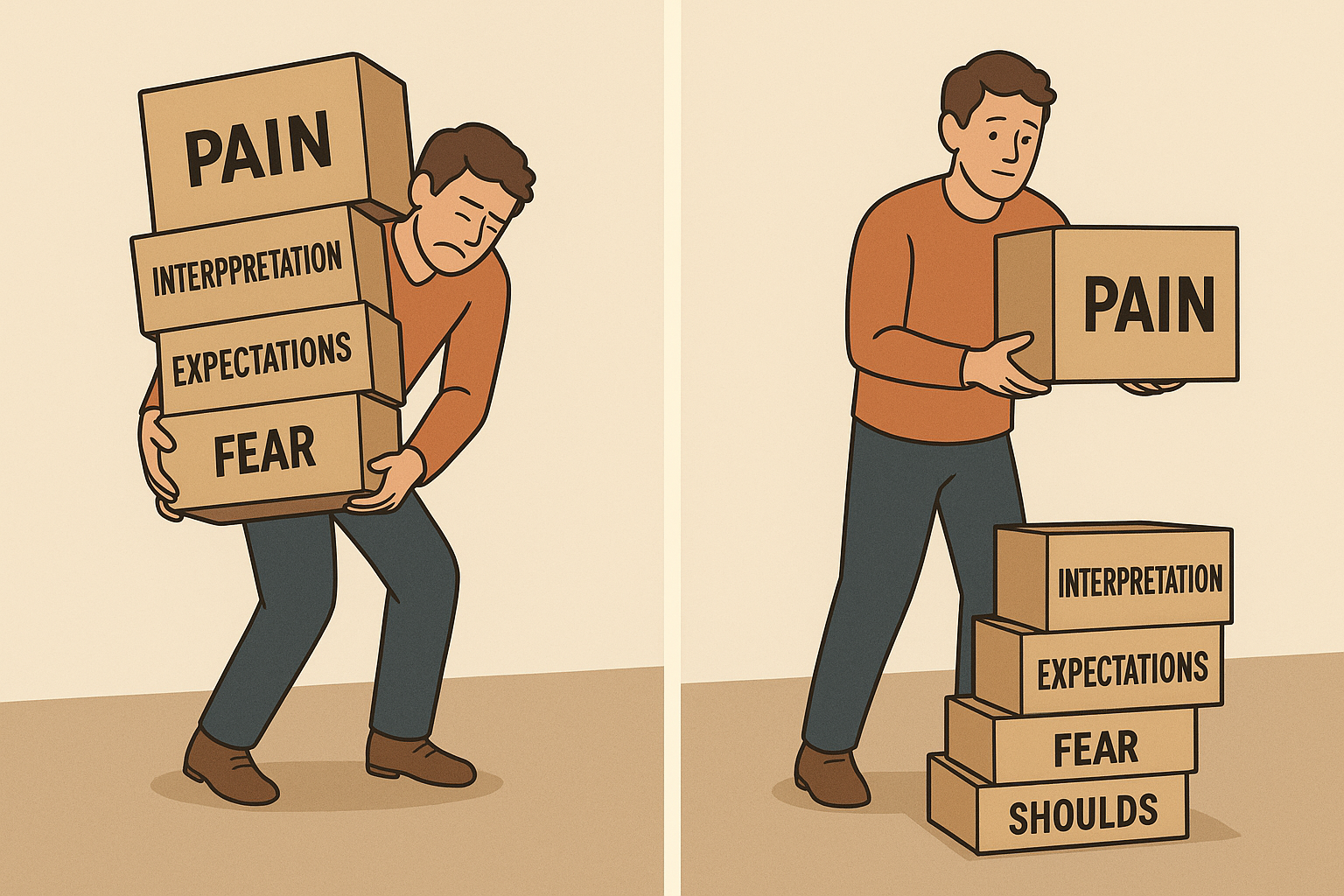
The Neuroscience of Suffering: Why Spiritual Principles Can Reduce Pain
A clear, grounded breakdown of why humans suffer, how resistance intensifies pain, and what actually reduces psychological distress. Covers the layers of suffering, grasping vs. avoidance, and the path to responding with clarity instead of reaction. Brian Granneman, LMHC, CAP, CCTP, Naples Integrated Recovery.
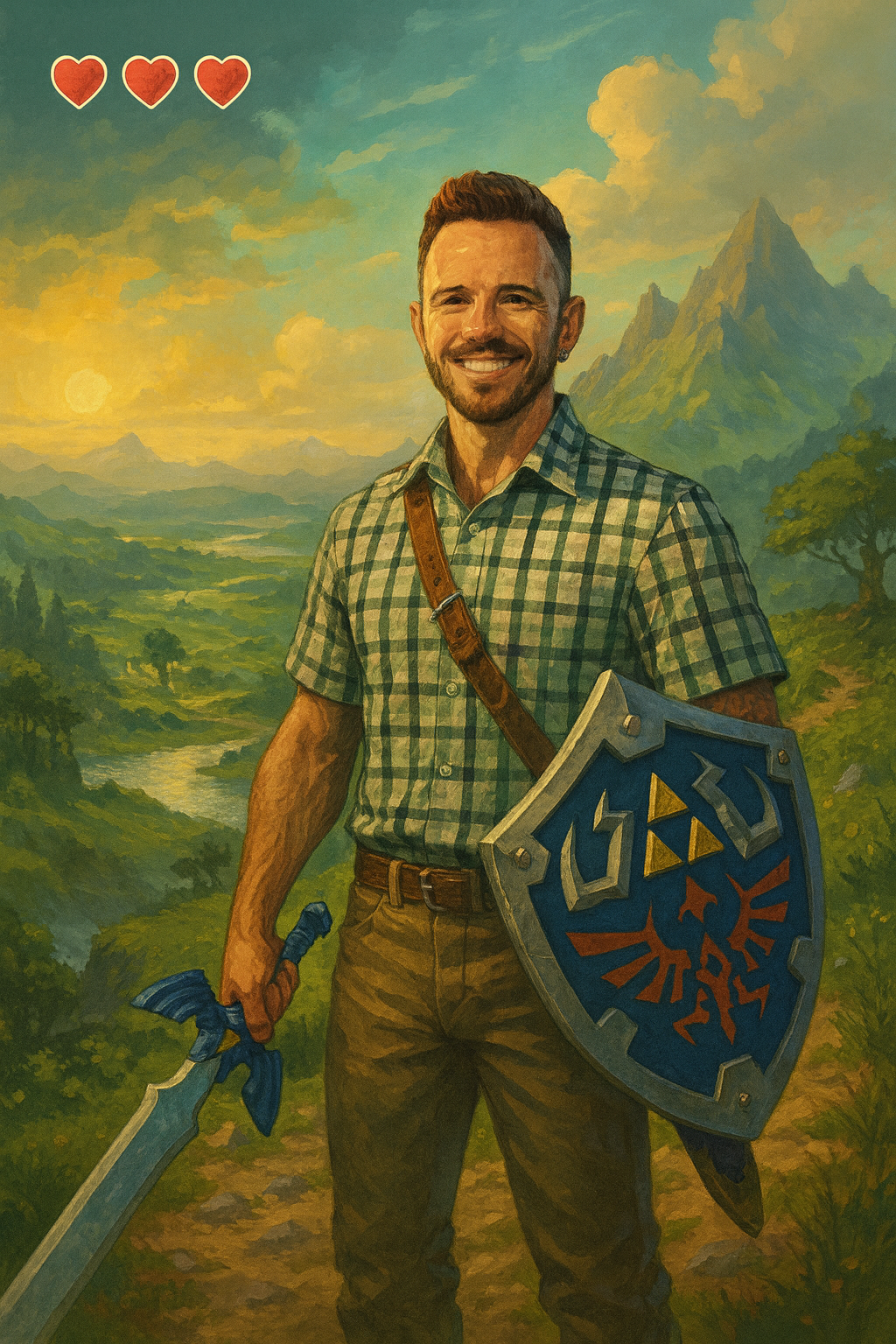
The Legend of Zelda and Growth: Leveling Up Through Life’s Hardest Seasons
How Legend of Zelda mirrors real-life growth: dungeons as the hardest seasons, boss battles as breaking points that reshape you, companions who appear exactly when the chapter requires them, and side quests that give life meaning. A reminder that transformation comes from the journey—not arrival. Brian Granneman, LMHC, CAP, CCTP, Naples Integrated Recovery.
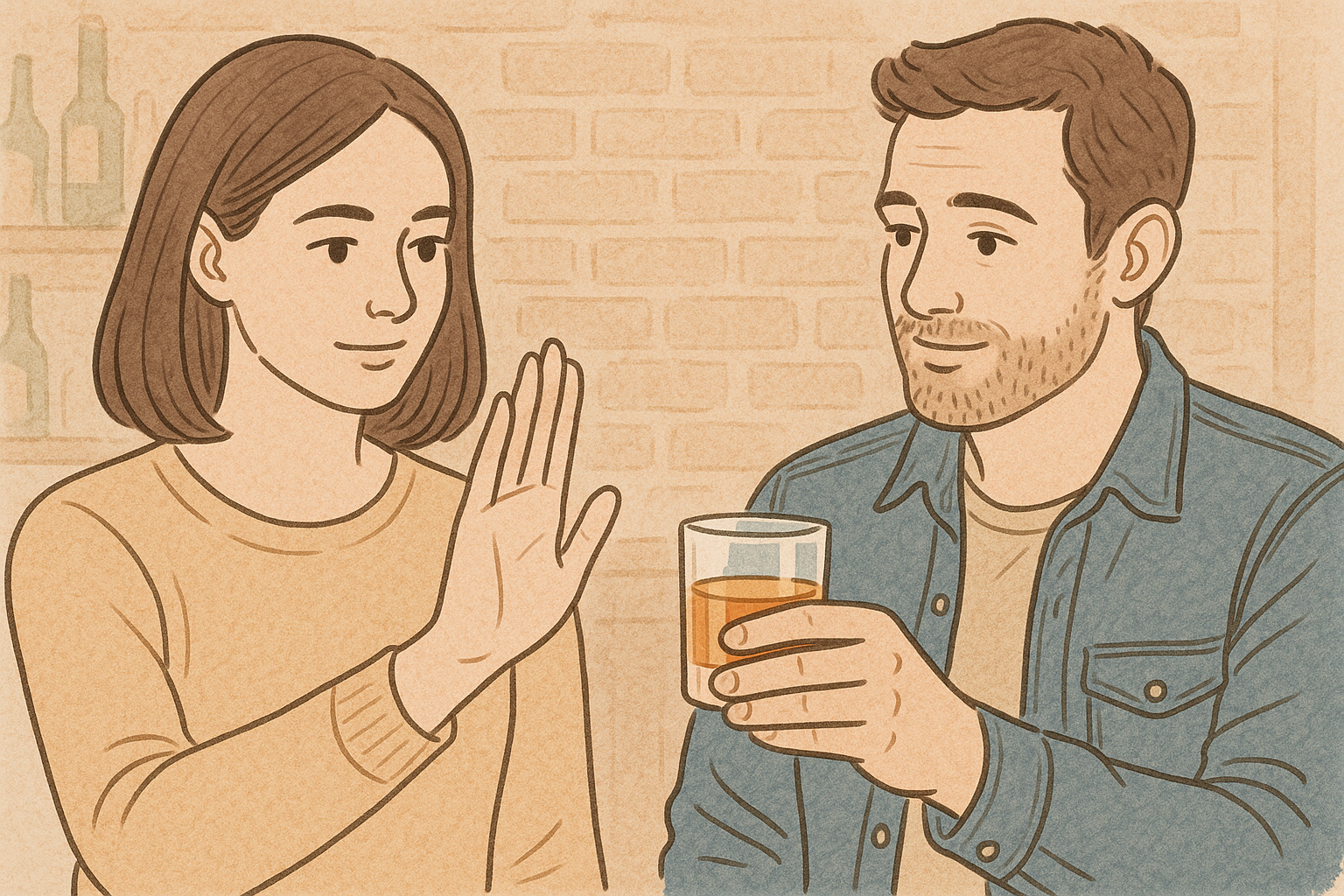
Resisting Pressure: How Not to Cave
A grounded look at resisting pressure—why people cave, how oversensitivity to shame drives people-pleasing, and the practical habits that build backbone without becoming rigid. A Stoic, real-world guide to setting boundaries with clarity and tact.
Brian Granneman, LMHC, CAP, CCTP, Naples Integrated Recovery.

What I Learned the Hard Way: Why Naples Integrated Recovery Exists
Systemic dysfunction in mental health—burnout, exploitation, and unsafe workloads—pushes good clinicians out. Naples Integrated Recovery was built intentionally lean and ethical, with clean documentation, transparency, and uncompromising clinical standards at its core. - Brian Granneman, LMHC, CAP, CCTP Naples Integrated Recovery
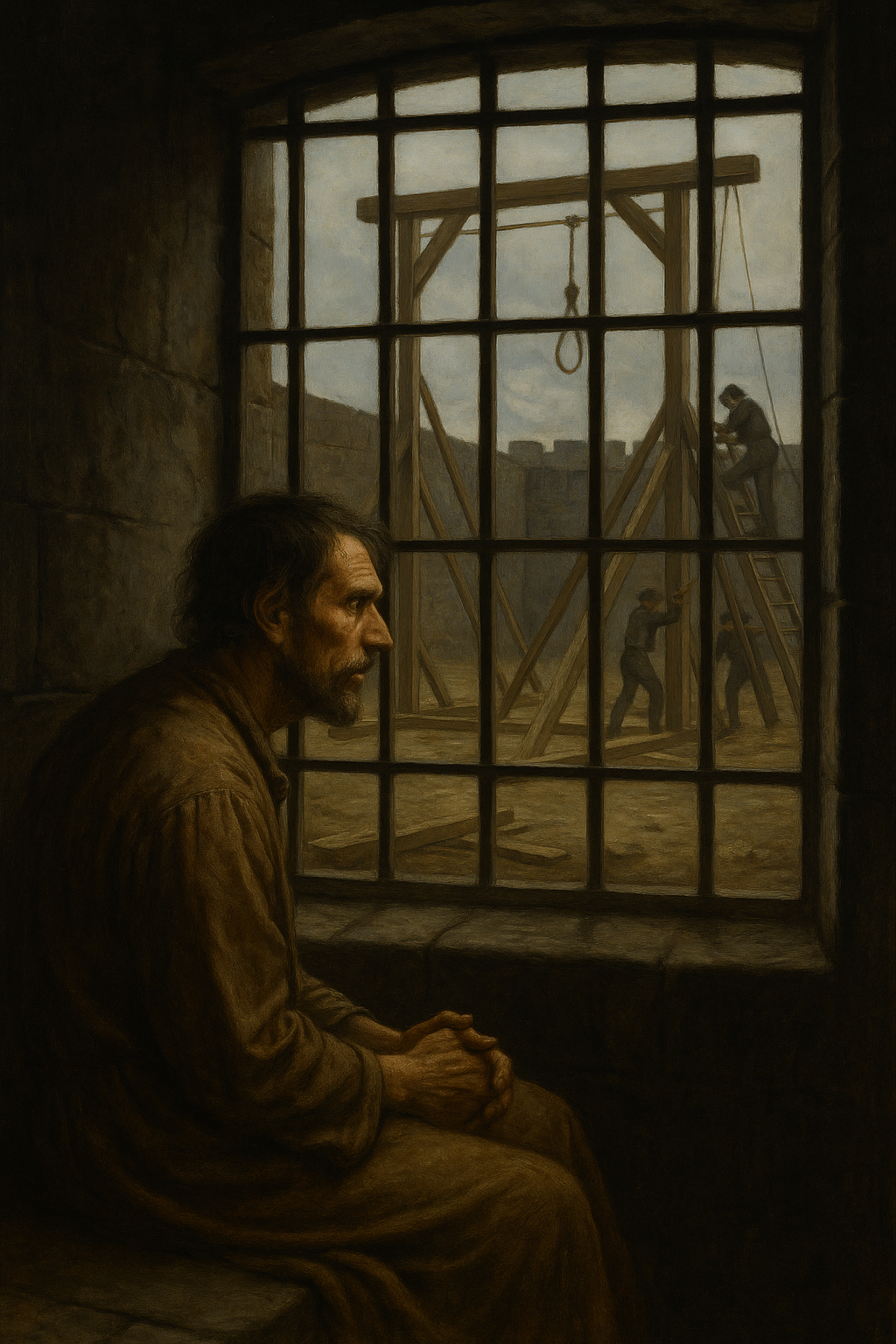
When Life Stops Playing Fair: How Not to Lose Yourself When Everything Falls Apart
In The Consolation of Philosophy, Boethius confronts imprisonment and mortality through dialogue with Lady Philosophy, blending Stoicism and faith into a timeless lesson on resilience. Naples Integrated Recovery therapist Brian Granneman, LMHC, CAP, CCTP reflects on what this ancient text teaches about control, acceptance, and how to stop arguing with reality.

More Than Tough: The Real Work of Being a Man
We teach men that toughness means silence, but true strength begins with self-awareness. Drawing from law enforcement, Stoicism, and modern psychology, this essay explores how vulnerability, emotional mastery, and courage redefine what it really means to be a man. Brian Granneman, LMHC, CAP, CCTP, Naples Integrated Recovery
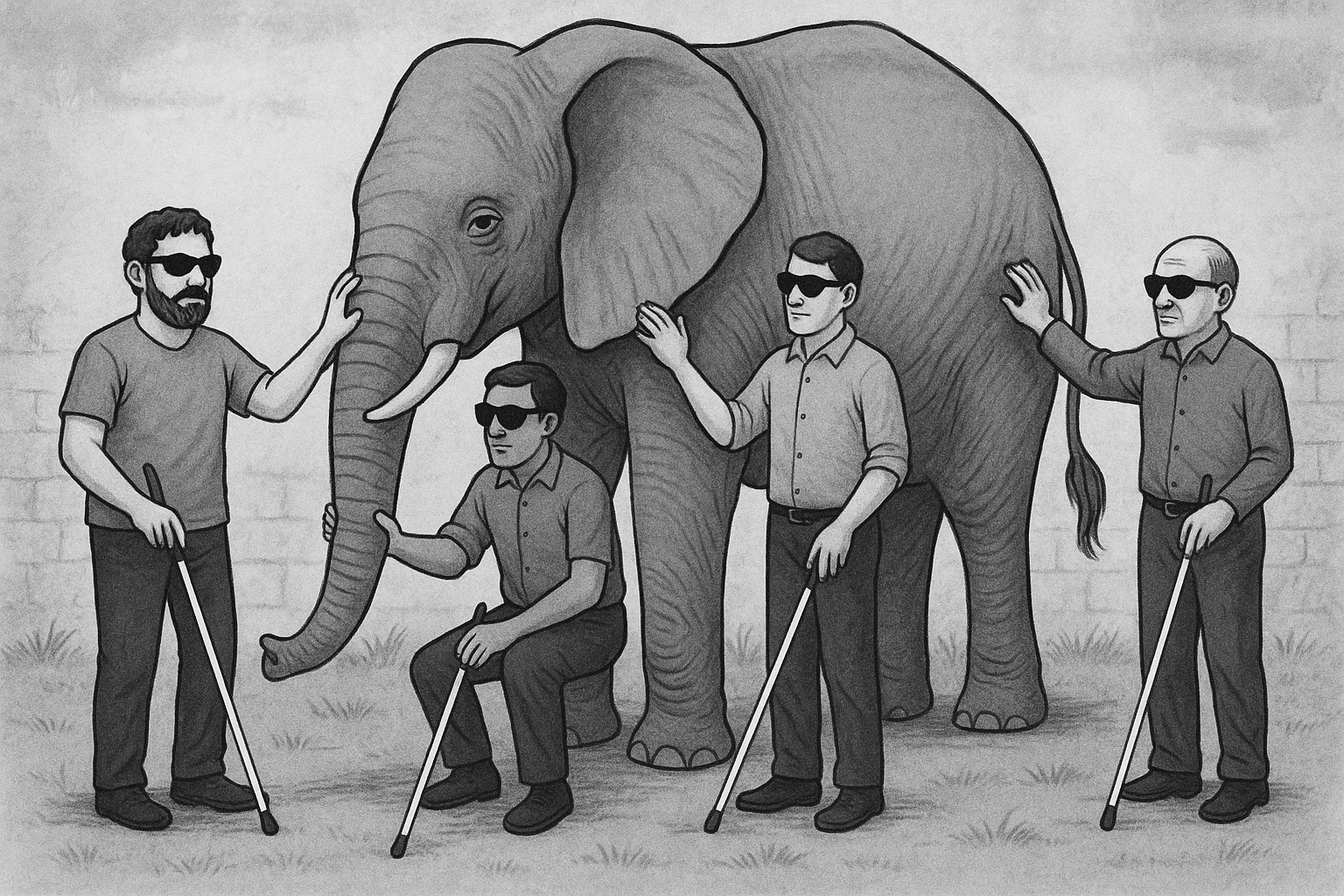
How Learning to See Truth Differently Helped Me Make Peace With Faith
A grounded look at how rigid belief systems shape identity and suffering, and how shifting from certainty to clear, humble seeing can transform faith. This explores Right View, personal agency, and a wider understanding of truth without abandoning spirituality. Brian Granneman, LMHC, CAP, CCTP, Naples Integrated Recovery
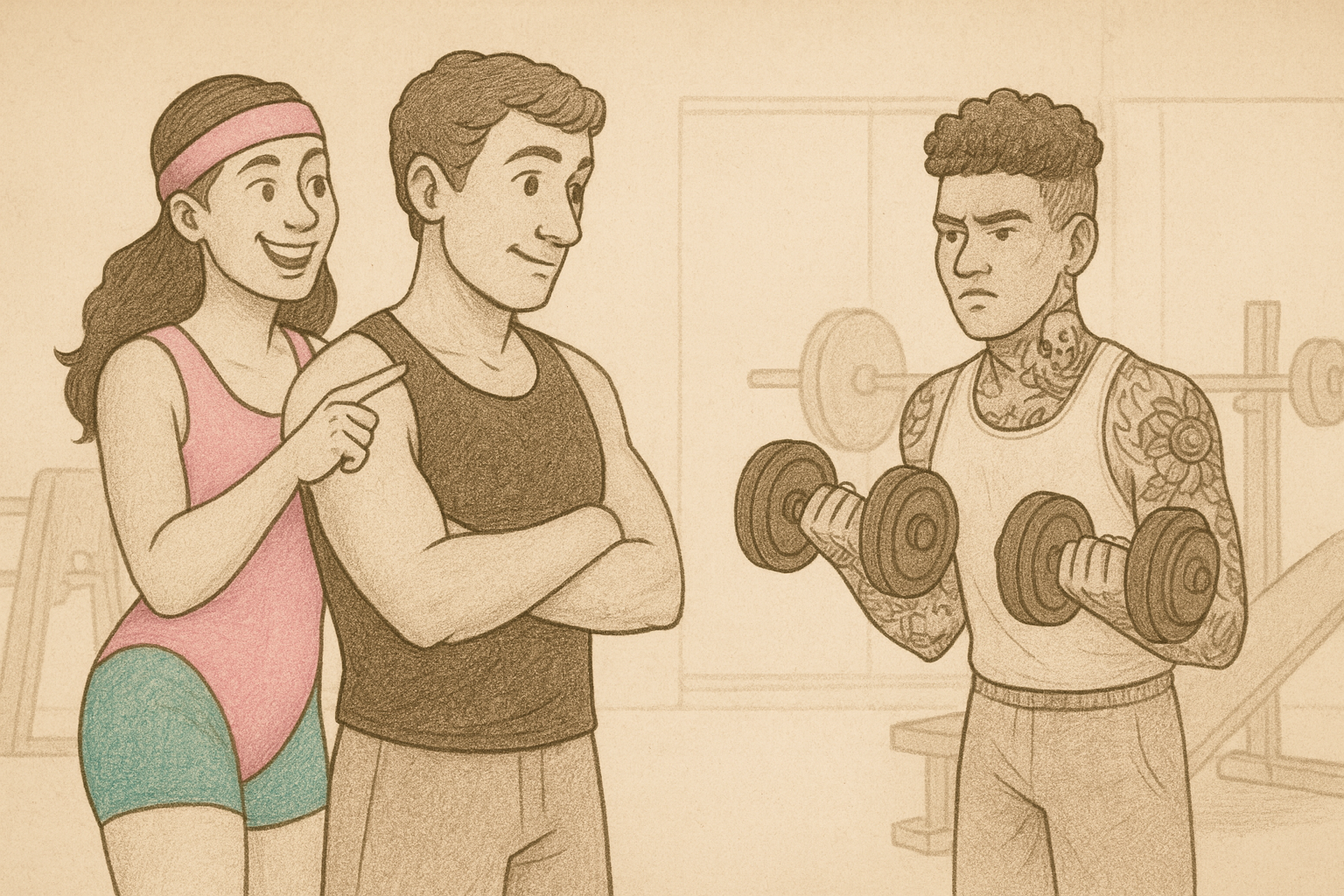
got a broken ‘picker’? The Psychology of Attraction and Attachment
How attraction, attachment, and evolution intertwine. Why we’re drawn to certain partners, how our nervous system shapes love and conflict, and what it means to outgrow familiar chemistry for genuine connection. Learn how biology, projection, and regulation all shape the way we love. Brian Granneman, LMHC, CAP, CCTP
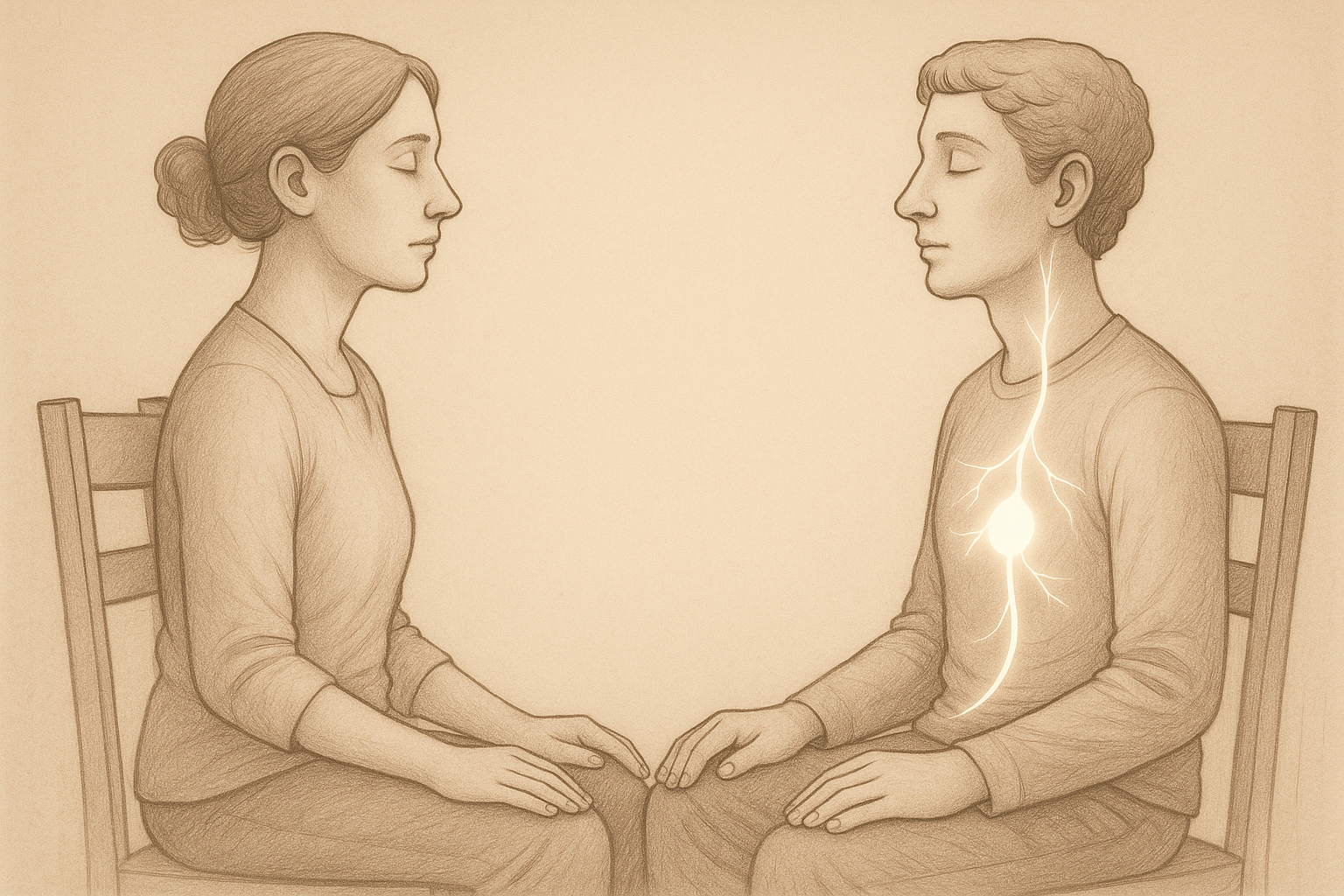
The Neuroscience of Safety: How the Mind and Body Shape Each Other
Explore how Polyvagal Theory reveals the biology of safety, attention, and healing. Learn how our nervous system shapes thought, emotion, and presence — and how mindful co-regulation in therapy and daily life restores calm, resilience, and authentic connection between body and mind. Brian Granneman, LMHC, CAP, CCTP, Naples Integrated Recovery

Doing the Work
“Doing the Work” explores the real meaning of inner healing beyond therapy clichés—through the lens of Internal Family Systems (IFS), recovery, and spirituality. It examines how we face our exiled parts, integrate shadow work, and move from seeking external validation to self-led wholeness and authentic connection.

Embracing Fate: My Journey of Surrender and Renewal
From losing a law enforcement career to building a thriving private practice, this memoir explores how Stoicism, Amor Fati, and surrender to life’s plan can transform suffering into peace. Through addiction recovery, career loss, and starting over, discover how embracing fate opens unexpected doors and leads to growth, healing, and purpose. Brian Granneman, LMHC, CAP, CCTP, Naples Integrated Recovery