

Kintsugi – Turning Life’s Cracks into Gold
Discover how the art of Kintsugi and the ancient philosophy of Stoicism teach us to embrace flaws, accept change, and transform life’s hardships into resilience. Learn how your personal “cracks” can become golden seams of wisdom, strength, and beauty—and why our imperfections make us who we are. Brian Granneman, LMHC, CAP, CCTP, Naples Integrated Recovery

Why Am I Reacting Like This? Understanding Emotional Triggers and What to Do About Them
Emotional triggers arise from old protective parts reacting to present-day stress. Understanding these IFS patterns — and practicing skills like grounding, curiosity, and nervous-system regulation — helps you respond instead of react. Learn how to work with your parts and build real emotional stability.
Brian Granneman, LMHC, CAP, CCTP, Naples Integrated Recovery
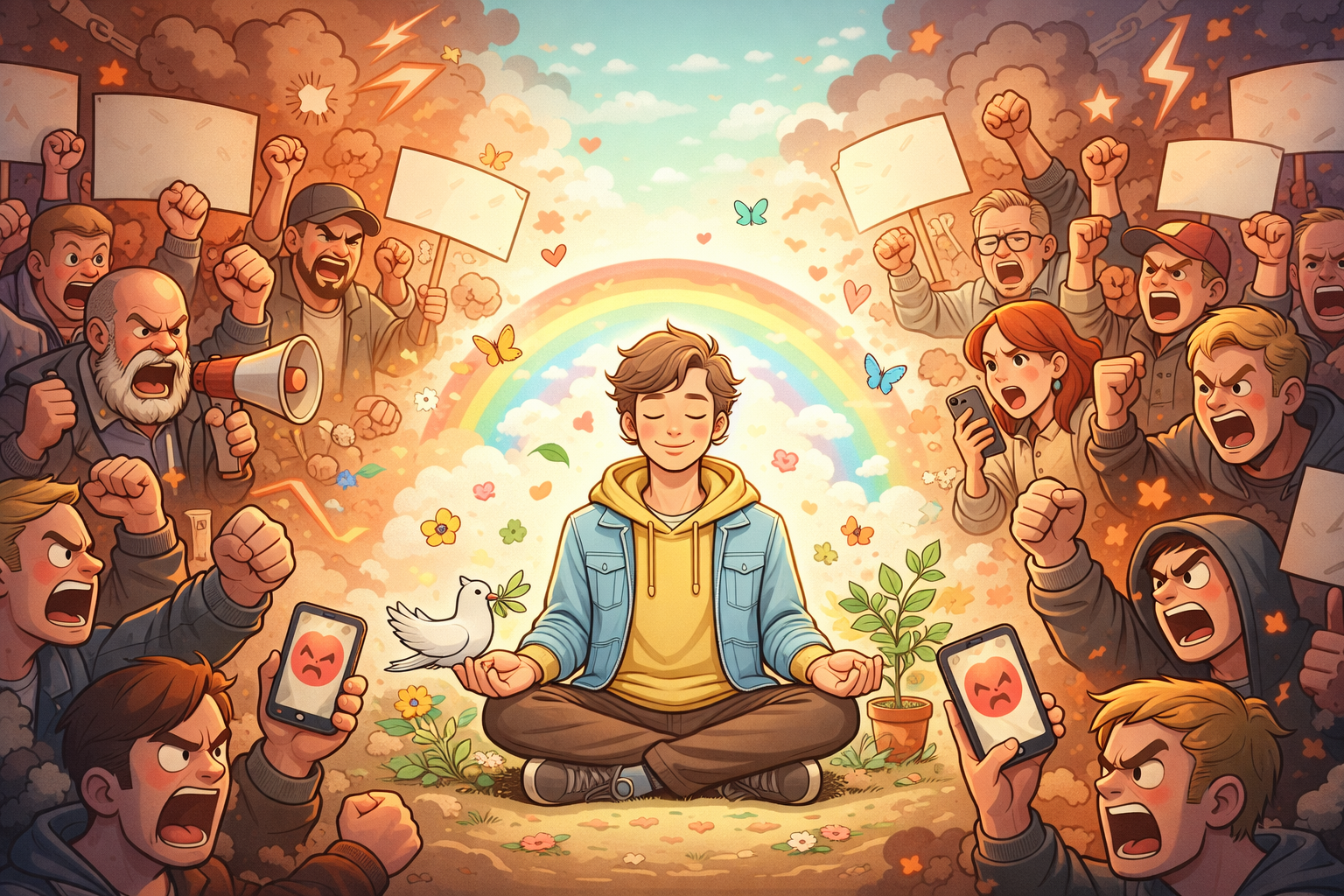
Why Kindness Still Matters in an Age of Outrage
In a world fueled by outrage, is empathy a weakness—or our last hope? Explore empathy’s role in justice, civilization, and personal growth. Drawing on Stoic philosophy, historical examples, and modern critiques, it argues that empathy isn’t naive—it’s necessary for a functioning, humane society. Brian Granneman, MA, LMHC, CAP, CCTP — Naples Integrated Recovery.

Voluntary Discomfort: Resistance Training for the Soul
Comfort may feel safe, but it’s secretly limiting your growth. In this deep dive into resistance, we explore how fear, discomfort, and hesitation are not signs of failure—but invitations to grow. Learn how embracing discomfort can train your nervous system, build resilience, and unlock the life you actually want. Brian Granneman, MA, LMHC, CAP, CCTP — Naples Integrated Recovery.

Future You: How to Bargain with the Future to Become Your Best Self
Future-self work helps you break patterns, make aligned choices, and reduce the gap between who you are and who you want to be. By imagining your future self clearly, practicing small daily shifts, and acting with purpose, you build integrity and long-term change.
Brian Granneman, LMHC, CAP, CCTP, Naples Integrated Recovery

Self-Pity in Recovery: A Trauma-Informed Perspective
Self-pity in recovery is often labeled a defect, but it’s frequently a protective response rooted in trauma. Healing requires compassion, accountability, and understanding the pain beneath the pattern—not shame. Real change comes from integration, not suppression.
Brian Granneman, LMHC, CAP, CCTP, Naples Integrated Recovery

Breaking the Cycle: Recognizing Codependency and Enabling in Relationships
Codependency and enabling keep addiction alive by shielding loved ones from consequences. Healthy support means boundaries, accountability, and detaching with love to empower real change.
Brian Granneman, LMHC, CAP, CCTP, Naples Integrated Recovery

Free Won’t: Using Your Prefrontal Cortex Veto
Explore how determinism, neuroscience, and Stoic philosophy shape the debate on free will, highlighting the power of “free won’t” — the ability to pause, veto impulses, and choose intentional action. Brian Granneman, LMHC, CAP, CCTP, Naples Integrated Recovery

From Scorekeeping to Radical Generosity: Rethinking Modern Relationships
Modern relationships often break down not from imperfection but from constant scorekeeping. Explore how shifting from fairness to radical generosity creates connection, reduces resentment, and strengthens partnership through shared intention and accountability. Written by Brian Granneman, LMHC, CAP, CCTP — Naples Integrated Recovery.

Allowing Your Emotions: Why Feeling is the First Step Toward Healing
Emotions don’t disappear when ignored—they resurface through anxiety, burnout, and disconnection. Healing begins by naming what you feel, creating space for vulnerability, and getting curious instead of suppressing. Emotional honesty restores clarity and regulation.
Brian Granneman, LMHC, CAP, CCTP
Naples Integrated Recovery