

The Stoics on Forgiving and releasing a grudge
Epictetus teaches that people who wrong us act from confusion, not clarity. Wrongdoing harms the wrongdoer first by destroying judgment and virtue, making anger unnecessary. Letting go of grudges restores peace while maintaining boundaries.
Brian Granneman, LMHC, CAP, CCTP
Naples Integrated Recovery

Breaking Free from the King Baby Syndrome in Recovery
“King Baby” describes the immature ego patterns that fuel addiction—craving comfort, resisting limits, and avoiding accountability. Recovery grows when you trade control for honesty, regulate emotions, and meet the wounded inner child with structure and humility. That’s where real freedom begins.
Brian Granneman, LMHC, CAP, CCTP
Naples Integrated Recovery

Handling Your Partner’s Bad Mood Without Losing Yourself
When your partner is in a bad mood, it’s easy to take it personally. But true emotional resilience comes from differentiation—the ability to stay grounded without absorbing their emotions. Learn how to support your partner without losing yourself, set healthy boundaries, and navigate emotional space with trust and respect. Strengthen your relationship by balancing empathy with self-care. Brian Granneman, MA, LMHC, CAP, CCTP — Naples Integrated Recovery.

Why Being Right Ruins Connection
Fights escalate when partners focus on being right instead of understanding. Defensiveness, blame, and shutdowns erode safety, while curiosity, validation, and repair rebuild connection. Letting go of “winning” strengthens trust and keeps the relationship aligned, not adversarial.
Brian Granneman, LMHC, CAP, CCTP
Naples Integrated Recovery

Impulse Control Isn’t a Moral Issue — It’s Wiring
Impulsivity isn’t weakness—it’s human wiring shaped by stress, trauma, and a culture built for instant gratification. Real change comes from noticing urges, creating small pauses, and choosing actions that align with long-term stability. You can feel an impulse without letting it run your life.
Brian Granneman, LMHC, CAP, CCTP
Naples Integrated Recovery

When the Relationship Honeymoon ends
As the honeymoon fades, defensiveness, triggers, and old patterns surface. Connection breaks down when partners misread needs as criticism or shut down to avoid shame. Real intimacy grows through curiosity, repair, and small, consistent efforts to stay emotionally present.
Brian Granneman, LMHC, CAP, CCTP
Naples Integrated Recovery

Understanding, Accountability, and Repair in Relationships
Trauma may explain reactions, but it doesn’t excuse harming others. Real relationships depend on accountability, repair, and owning impact—not hiding behind stress, intent, or past wounds. Hurt is inevitable; avoiding responsibility is the real problem. Repair and growth build trust.
Brian Granneman, LMHC, CAP, CCTP
Naples Integrated Recovery

The Real Red Flag in Relationships: It’s Not What You Think
Reactivity and imperfection aren’t real red flags—denial, dismissal, and refusal to grow are. Healthy relationships thrive when partners take responsibility, repair consistently, and show genuine willingness to evolve. The red flag isn’t the mess; it’s avoiding accountability.
Brian Granneman, LMHC, CAP, CCTP
Naples Integrated Recovery

How invalidation erodes connection and how to break the cycle
Invalidation quickly erodes trust by minimizing or dismissing a partner’s emotional reality. Validation strengthens connection by separating feelings from facts, staying regulated during conflict, and taking accountability for impact. It turns defensiveness into understanding and builds true intimacy.
Brian Granneman, LMHC, CAP, CCTP
Naples Integrated Recovery

The Power of Safety: The Foundation of Meaningful Relationships
Relational safety is built through consistent tone, accountability, and respect—especially during conflict. When partners stay regulated, honor boundaries, and repair cleanly, trust and intimacy strengthen. Safety turns disagreement into connection and makes love something you can actually feel, not just perform.
Brian Granneman, LMHC, CAP, CCTP
Naples Integrated Recovery
Outgrowing Childhood Defenses: Letting Go of Old Patterns IN ORDER to Grow
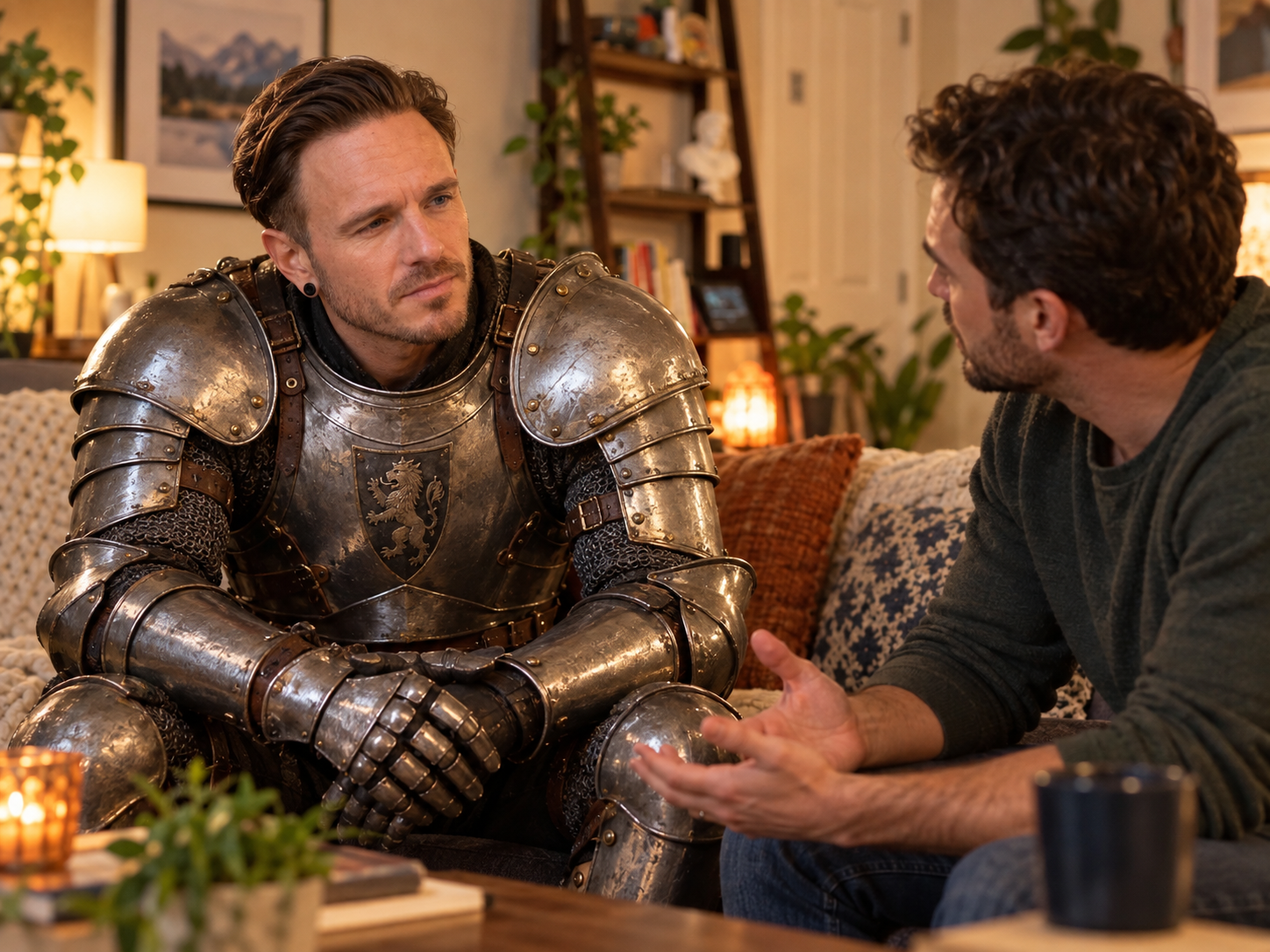
Childhood defenses like perfectionism, people-pleasing, shutting down, or emotional avoidance once kept you safe but can restrict adult relationships, vulnerability, and growth. Recognizing these automatic patterns creates space for healthier connection, resilience, and identity beyond trauma-driven habits.
Brian Granneman, LMHC, CAP, CCTP
Naples Integrated Recovery

Stoicism, in Plain Language — and Why It Still Matters
Explore Stoic principles like amor fati, embracing what you can control, valuing time, and reflecting on mortality. This guide covers 23 Stoic practices to build resilience, improve relationships, and cultivate inner peace by focusing on what matters and letting go of what doesn’t. Brian Granneman LMHC CAP CCTP Naples Integrated Recovery

Control Freak? Why We Chase External Security and What It Really Costs Us
In a world where we often seek control and validation from others, many struggle with anxiety and fear stemming from past experiences of powerlessness. This article explores how to cultivate internal security by shifting focus from external reassurance to self-love and self-care. By recognizing old patterns and learning to trust ourselves, we can navigate relationships and life’s uncertainties with resilience and confidence. Brian Granneman LMHC CAP CCTP Naples Integrated Recovery

Projection: When the World Starts Reflecting Your Wounds Back at You
We often project our fears, hopes, and insecurities onto others, creating fantasies that eventually collapse. This piece explores how projection forms, why it breaks down, and how reclaiming what we project leads to clarity, boundaries, and real growth. Includes a real example of projection in a toxic workplace.
Brian Granneman, LMHC, CAP — Naples Integrated Recovery, LLC

Embrace Adversity: How to Transform Challenges into Triumphs
Discover key insights from Ryan Holiday's The Obstacle is the Way, a modern guide to turning life's challenges into opportunities for growth. Learn how perception, action, and will can help you overcome adversity, build resilience, and find success. Transform setbacks into stepping stones with the Stoic mindset.

Guilt vs. Shame: Unlocking Growth by Ditching Self-Judgment
Discover the key differences between guilt and shame and how they impact personal growth, relationships, and behavior. Guilt, a helpful emotion, aligns actions with values, promoting change and accountability. In contrast, shame attacks self-worth, leading to disconnection and destructive patterns. Learn why ditching shame and embracing guilt can unlock healthier relationships and emotional resilience. Brian Granneman, MA, LMHC, CAP, CCTP — Naples Integrated Recovery.

The REAL YOU and the FALSE SELF
At life's pivotal moments, we face an internal struggle between the "false self" shaped by societal expectations and the "true self" seeking deeper meaning. This blog explores the journey to integrate both, offering insights on how embracing authenticity leads to a more fulfilling and purposeful life. Brian Granneman, MA, LMHC, CAP, CCTP — Naples Integrated Recovery.