


Wise Mind After Tragedy
An in-depth examination of tragedy through DBT, neuroscience, and dialectical thinking. This episode explains Emotion Mind, Reasonable Mind, and Wise Mind, exploring fear, agency, accountability, and trauma responses in police-civilian encounters and public unrest, with a focus on accuracy over outrage.
Brian Granneman, LMHC, CAP, CCTP, Naples Integrated Recovery
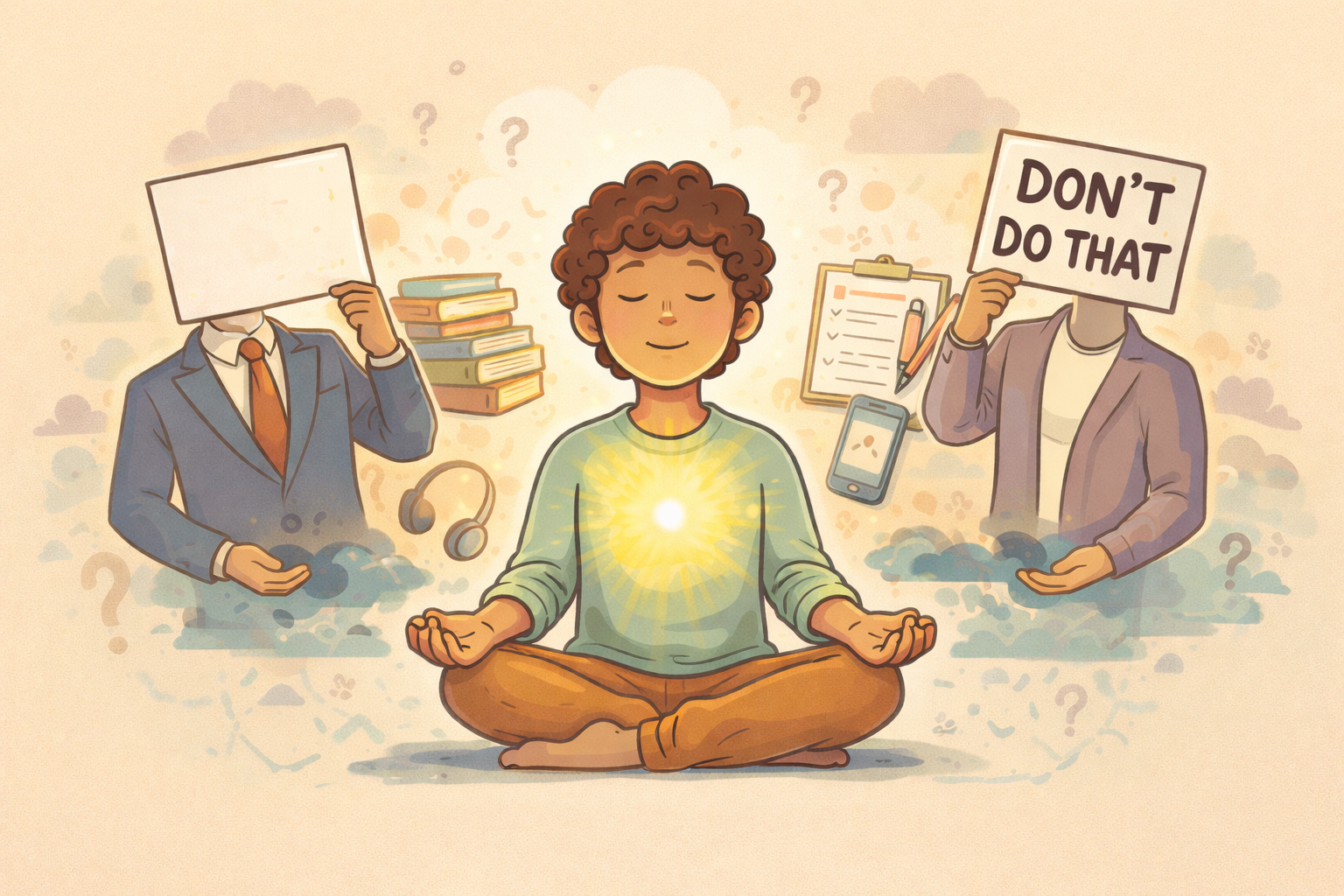
Finding the Teacher Within
Finding the Teacher Within explores why real growth doesn’t come from being told what to do. This article examines how outsourcing authority weakens agency, why confidence develops through choice, and how therapy supports clarity without control. Brian Granneman, LMHC, CAP, CCTP, Naples Integrated Recovery

The Empty Boat: Learning Not to Take Things Personally
The Empty Boat parable teaches us not to take life’s bumps so personally. Sometimes anger arises not from what happens, but from the story we tell ourselves about why it happened. By seeing life’s collisions as drifting boats on the river, we can respond with mindfulness, compassion, and freedom instead of reactivity.

Who’s Driving Your Car? — The Inner Parts That Hijack Your Reactions
A look at the inner “drivers” that hijack your reactions—anger, fear, shame, revenge—and how IFS helps you shift from parts-led chaos to grounded Self-leadership. Explores recovery identity, emotional protectors, and what it means to take the wheel of your life again. Brian Granneman, LMHC, CAP, CCTP, Naples Integrated Recovery
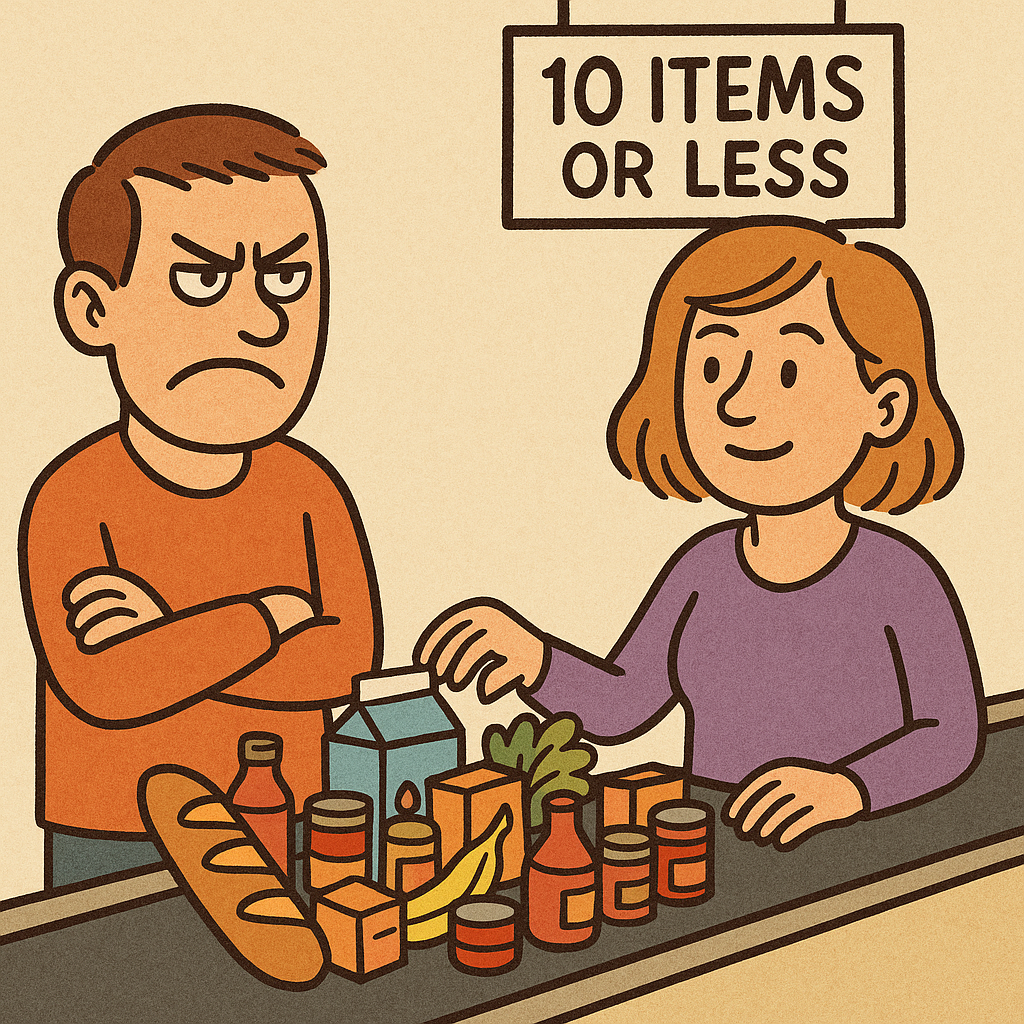
When the Lizard Brain Hijacks an Otherwise Functional Adult
Hardwired reactivity hits first — the amygdala fires in about 12 milliseconds, long before the thinking brain comes online. That’s why even as a licensed, highly trained professional with a full private practice and a life built on responsibility, you can still get hijacked by instinct. The second arrow — the story you tell yourself — is where CBT, neurobiology, and vulnerability work intersect, helping you shift from reflexive reaction to grounded response.
Brian Granneman, LMHC, CAP, CCTP, Naples Integrated Recovery

What I Learned the Hard Way: Why Naples Integrated Recovery Exists
Systemic dysfunction in mental health—burnout, exploitation, and unsafe workloads—pushes good clinicians out. Naples Integrated Recovery was built intentionally lean and ethical, with clean documentation, transparency, and uncompromising clinical standards at its core. - Brian Granneman, LMHC, CAP, CCTP Naples Integrated Recovery

More Than Tough: The Real Work of Being a Man
We teach men that toughness means silence, but true strength begins with self-awareness. Drawing from law enforcement, Stoicism, and modern psychology, this essay explores how vulnerability, emotional mastery, and courage redefine what it really means to be a man. Brian Granneman, LMHC, CAP, CCTP, Naples Integrated Recovery
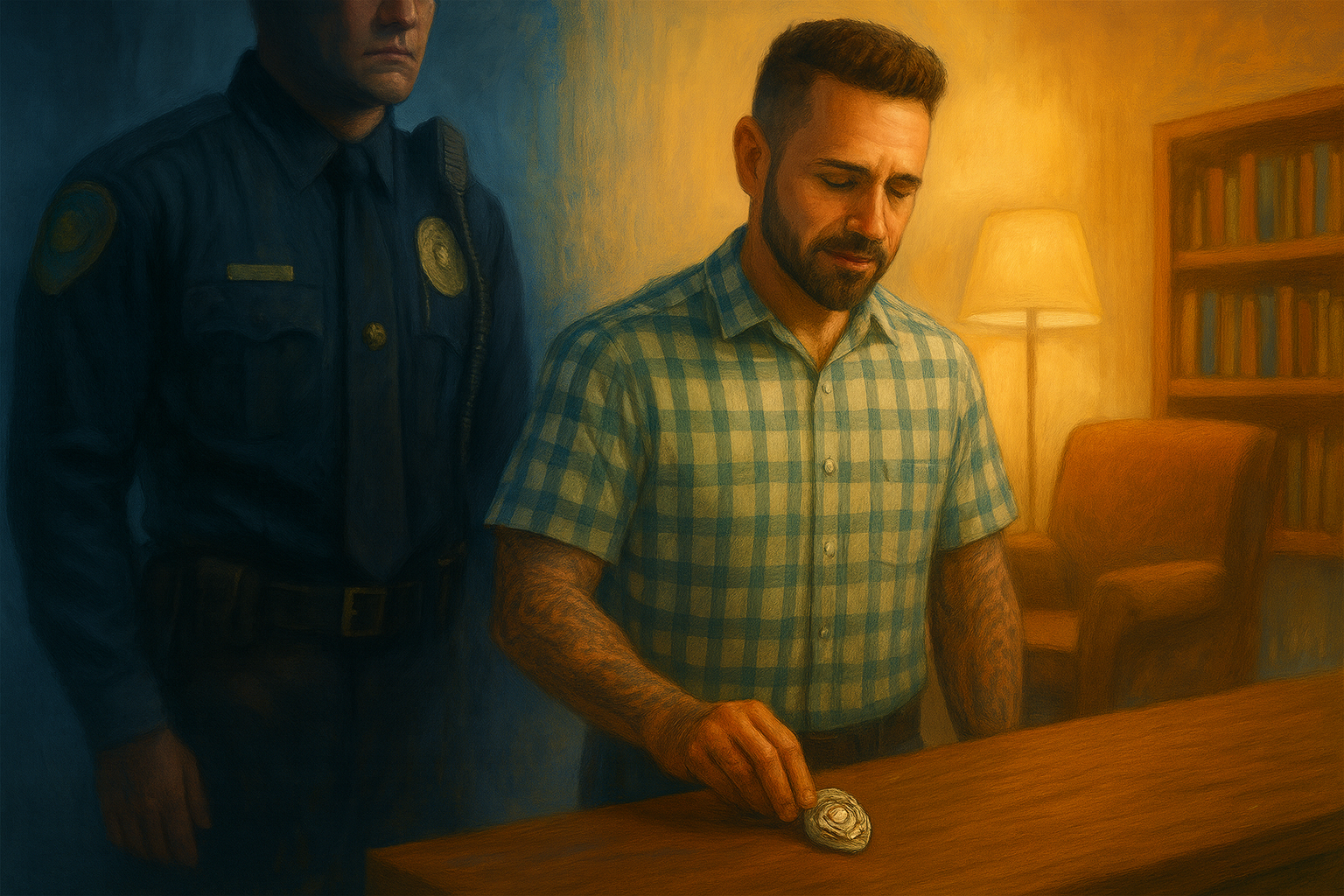
Reading the Room: Where Safety, Bias, and Accountability Intersect
A grounded look at how instinct, conditioning, and personal responsibility shape the way we read safety and tension in others. Blends trauma-awareness with accountability, Stoicism, and real-world experience to explore honest dialogue without shame or performative morality. Brian Granneman, LMHC, CAP, CCTP, Naples Integrated Recovery

The Psychology of Anger: How to Think Clearly When You’re upset
Learn evidence-based ways to manage anger, challenge rigid thinking, and regain control of your emotions using tools drawn from psychology and ancient wisdom. Explore practical strategies for emotional balance, resilience, and healthier relationships through effective anger management. Brian Granneman, LMHC, CAP, CCTP, Naples Integrated Recovery
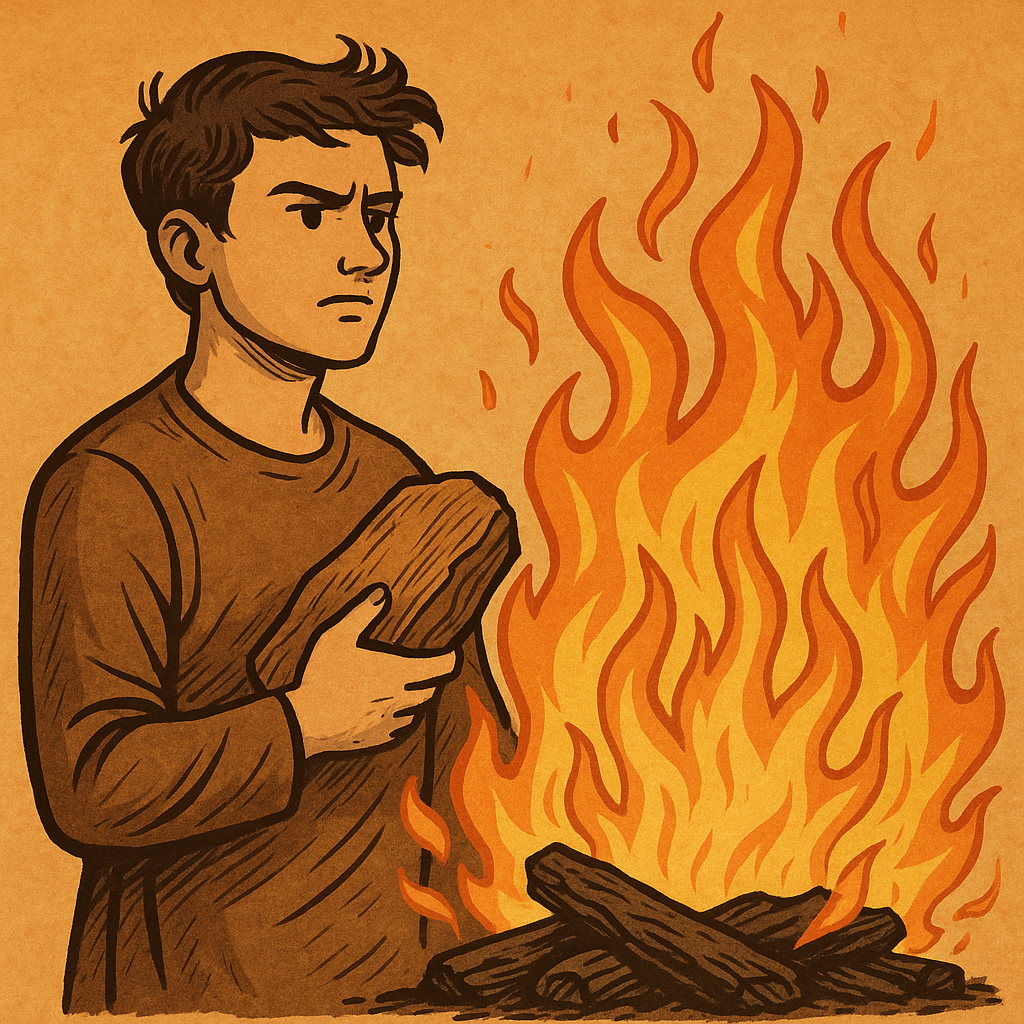
Turning Pain into Fuel Instead of Suffering
Amor Fati—the Stoic and Nietzschean concept of loving one’s fate—teaches us to embrace challenges, not just endure them. This mindset turns adversity into fuel for growth, helping us find meaning, resilience, and purpose in even the hardest experiences. Learn how to transform pain into power through radical acceptance. Brian Granneman, LMHC, CAP, CCTP, Naples Integrated Recovery