

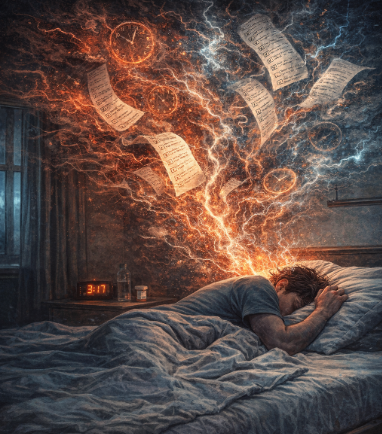
Nighttime Rumination, Nervous System Overdrive, and Why Sleep Feels Like a Fight
Nighttime rumination isn’t anxiety or overthinking—it’s a nervous system stuck in vigilance. This article explains why sleep feels like a fight, how daytime overload drives nighttime mental spirals, and what actually helps the body stand down without force or suppression.
Brian Granneman, LMHC, CAP, CCTP, Naples Integrated Recovery

Why Authenticity Isn’t Enough to Find Healthy Love
Most people don’t struggle in relationships because they’re broken, unlovable, or bad at dating. They struggle because they’re operating from a flawed model of attraction. In this episode, we unpack why authenticity alone doesn’t create healthy love, how attraction often forms around anxiety and deprivation rather than safety, and why chemistry can feel powerful while quietly pulling people toward partners who can’t meet them emotionally.
Brian Granneman, LMHC, CAP, CCTP, Naples Integrated Recovery
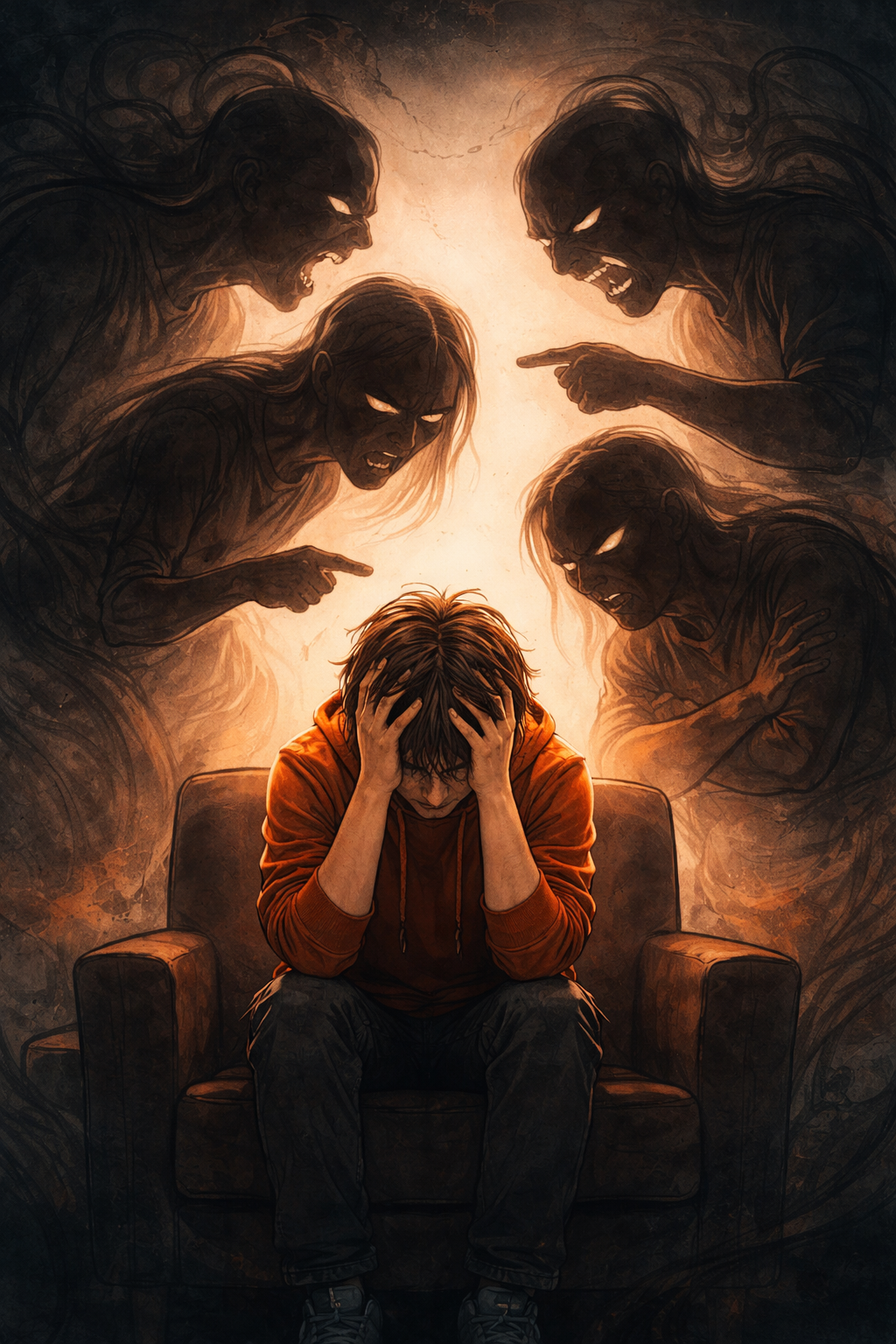
Why We’re So Harsh on Ourselves — And What Self-Compassion Actually Is
Why people are harsher on themselves than anyone else, how self-criticism functions as a threat response, and what self-compassion actually is—without softness, avoidance, or self-excuse. A grounded, psychologically accurate look at reducing suffering while maintaining responsibility and growth.
Brian Granneman, LMHC, CAP, CCTP, Naples Integrated Recovery
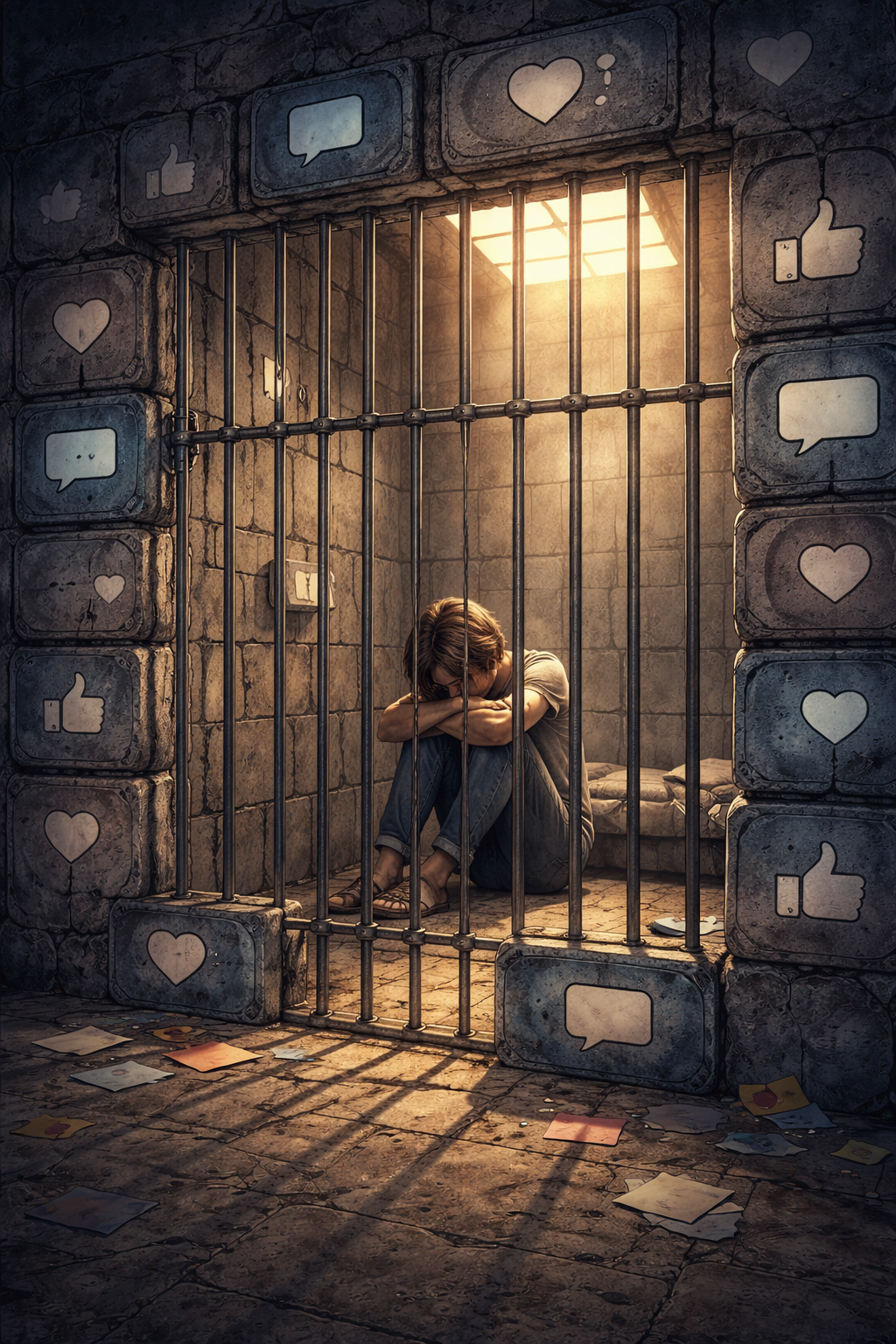
The Approval Prison — and the Self That’s Waiting Underneath
Approval-seeking quietly organizes identity, behavior, and relationships—shaping what people say, hide, and perform to stay connected. This piece examines the “Approval Prison” through an IFS lens, showing how protective parts learn to manage perception for safety, how Self gets buried underneath, and what changes when performance gives way to grounded, self-led presence.
Brian Granneman, LMHC, CAP, CCTP, Naples Integrated Recovery
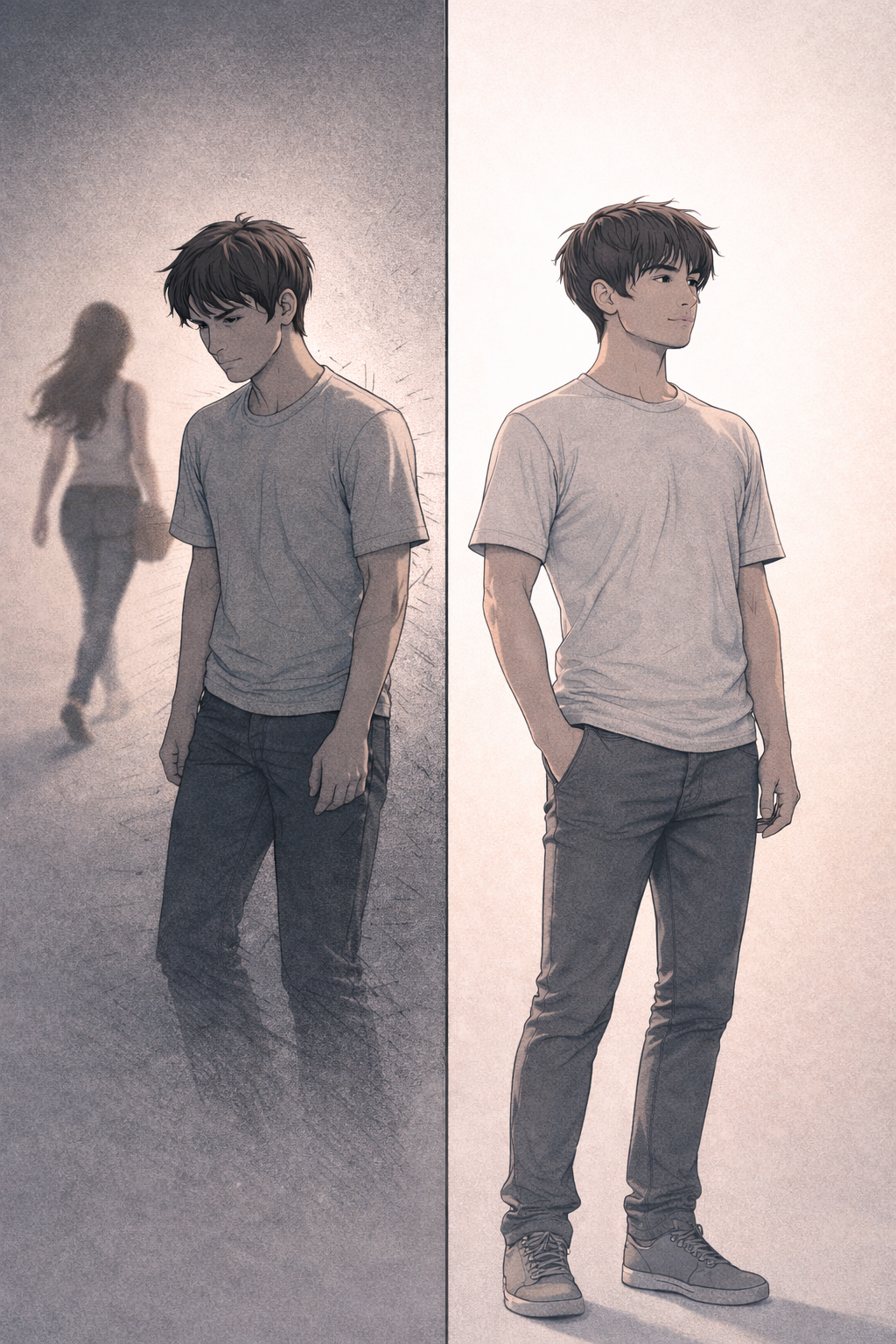
How Breakups Rewire You: What You Carry Into Your Next Relationship
Breakups don’t just hurt—they rewire the nervous system. This article explores attachment loss, grief vs. bargaining, relief vs. healing, and how unresolved endings shape trust, regulation, and patterns in future relationships. Learn what a “clean ending” actually means and how integration builds capacity instead of carrying emotional debt forward.
Brian Granneman, LMHC, CAP, CCTP, Naples Integrated Recovery
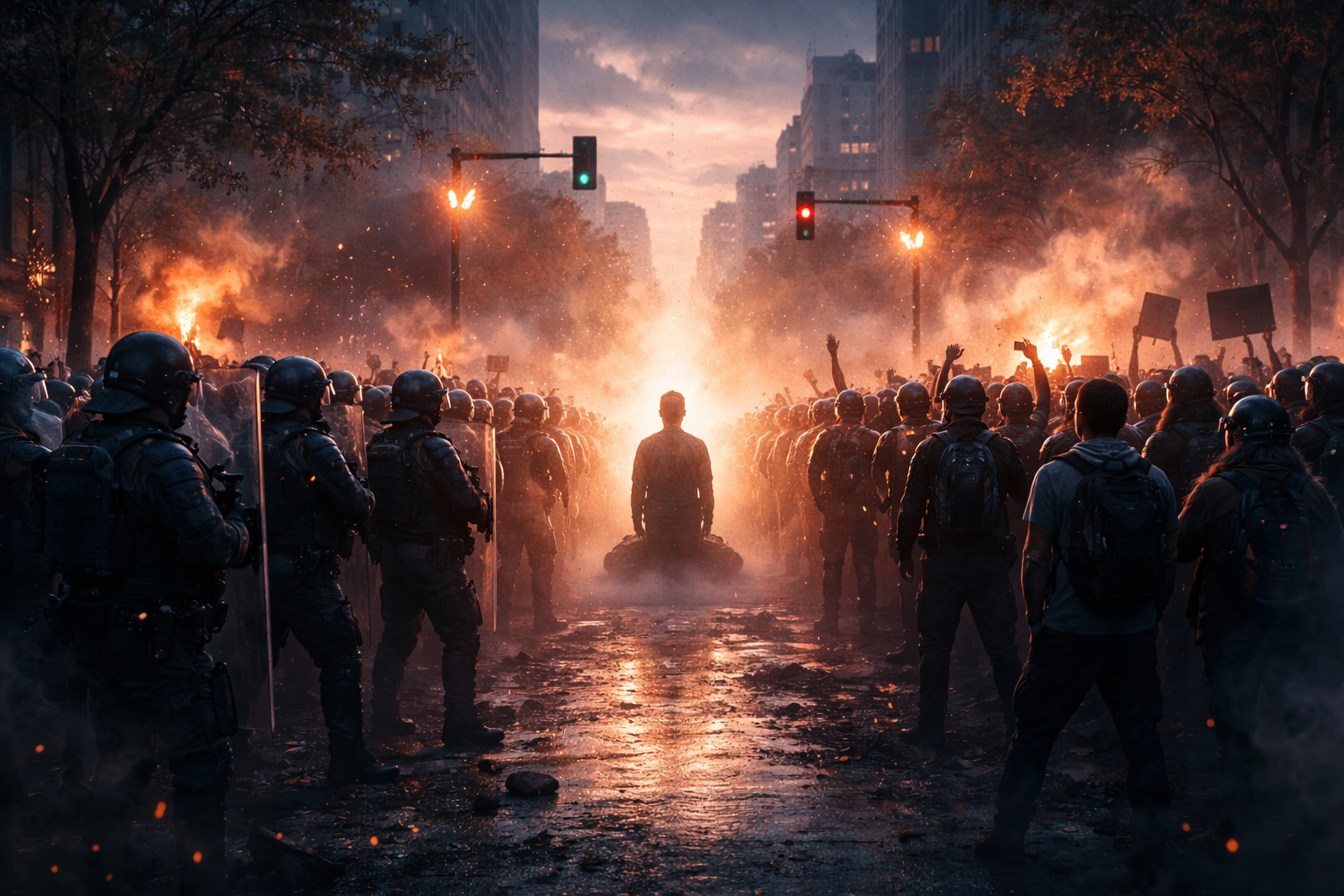
Wise Mind After Tragedy
An in-depth examination of tragedy through DBT, neuroscience, and dialectical thinking. This episode explains Emotion Mind, Reasonable Mind, and Wise Mind, exploring fear, agency, accountability, and trauma responses in police-civilian encounters and public unrest, with a focus on accuracy over outrage.
Brian Granneman, LMHC, CAP, CCTP, Naples Integrated Recovery
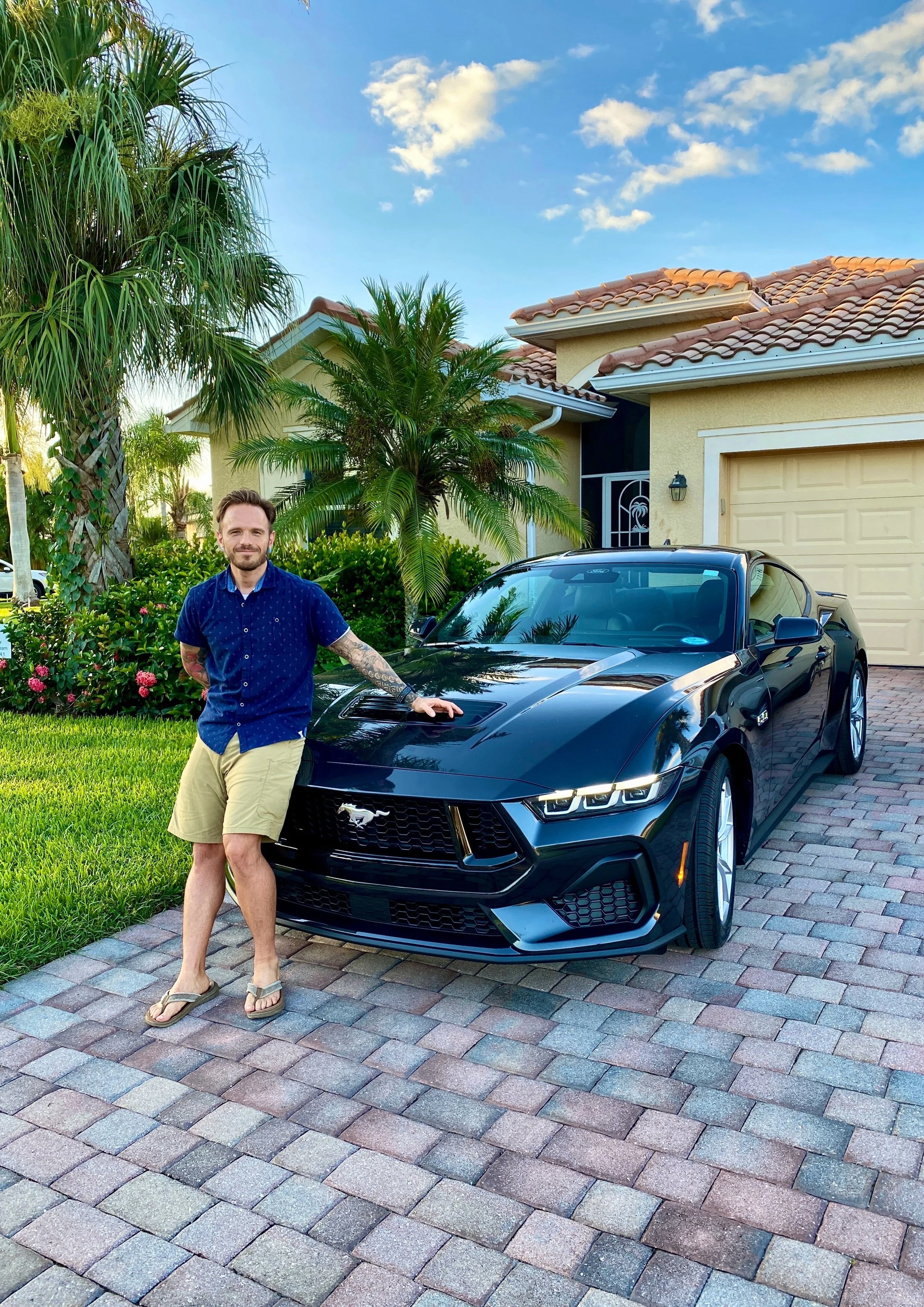
Who’s Driving Your Car? — The Inner Parts That Hijack Your Reactions
A look at the inner “drivers” that hijack your reactions—anger, fear, shame, revenge—and how IFS helps you shift from parts-led chaos to grounded Self-leadership. Explores recovery identity, emotional protectors, and what it means to take the wheel of your life again. Brian Granneman, LMHC, CAP, CCTP, Naples Integrated Recovery
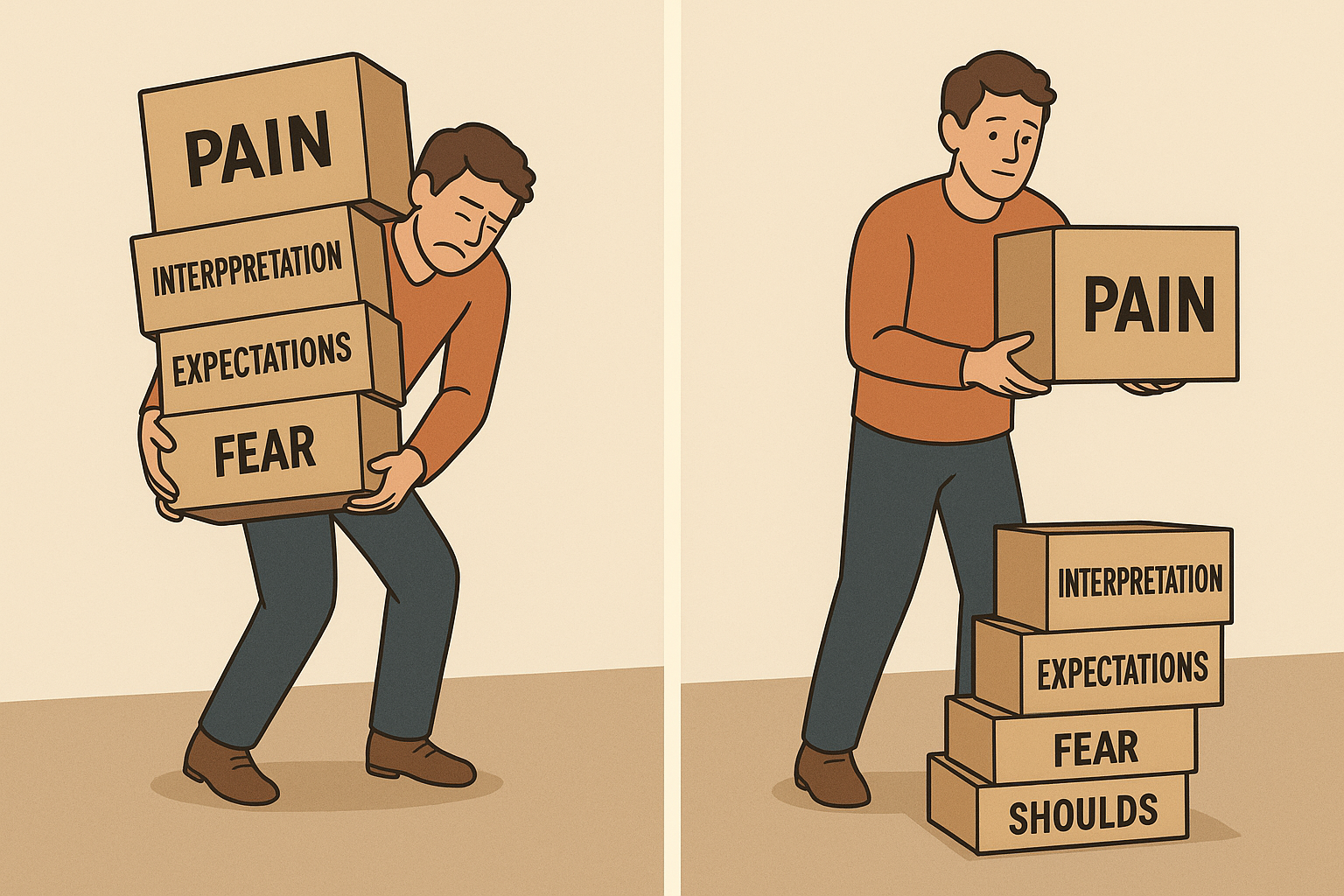
The Neuroscience of Suffering: Why Spiritual Principles Can Reduce Pain
A clear, grounded breakdown of why humans suffer, how resistance intensifies pain, and what actually reduces psychological distress. Covers the layers of suffering, grasping vs. avoidance, and the path to responding with clarity instead of reaction. Brian Granneman, LMHC, CAP, CCTP, Naples Integrated Recovery.
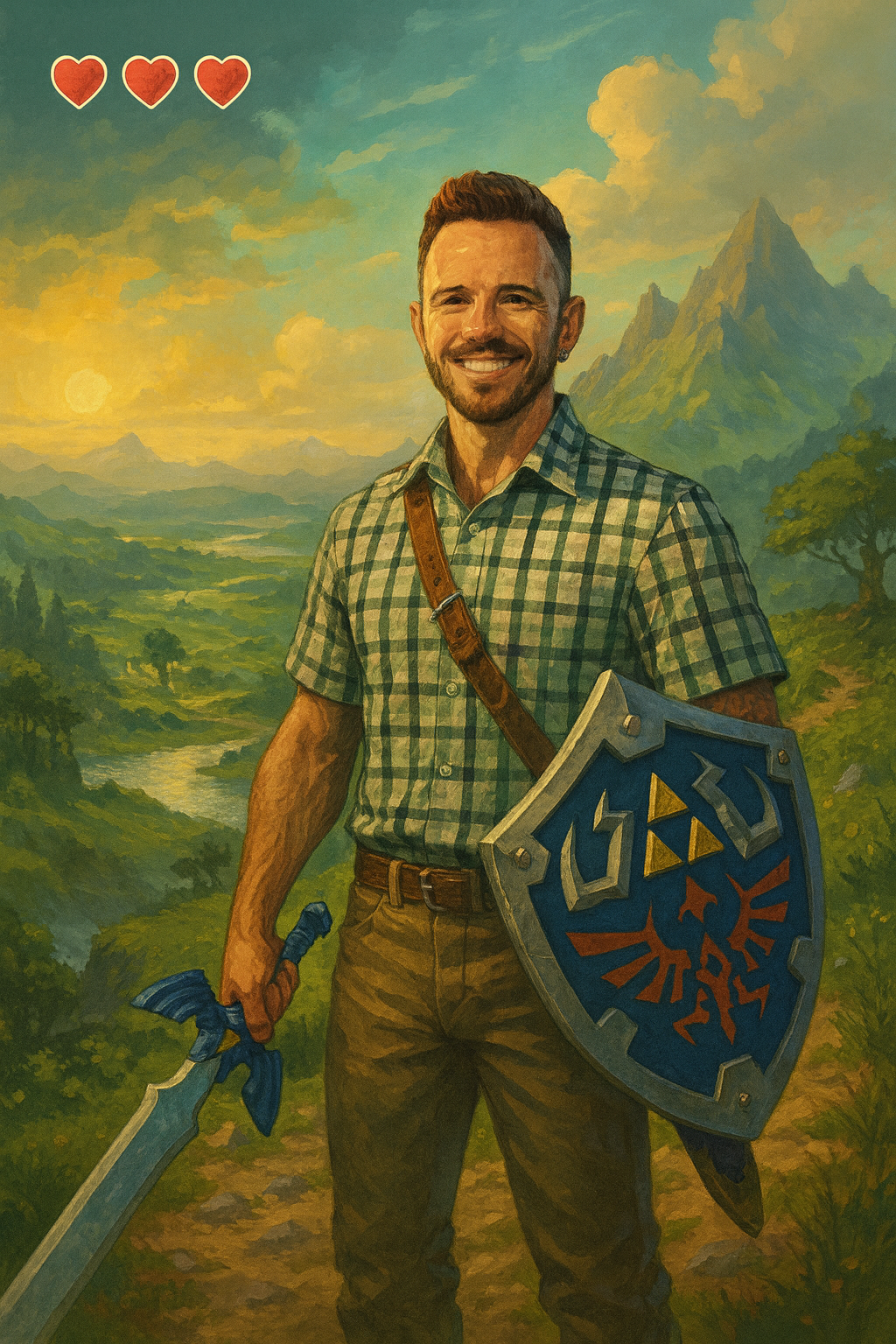
The Legend of Zelda and Growth: Leveling Up Through Life’s Hardest Seasons
How Legend of Zelda mirrors real-life growth: dungeons as the hardest seasons, boss battles as breaking points that reshape you, companions who appear exactly when the chapter requires them, and side quests that give life meaning. A reminder that transformation comes from the journey—not arrival. Brian Granneman, LMHC, CAP, CCTP, Naples Integrated Recovery.
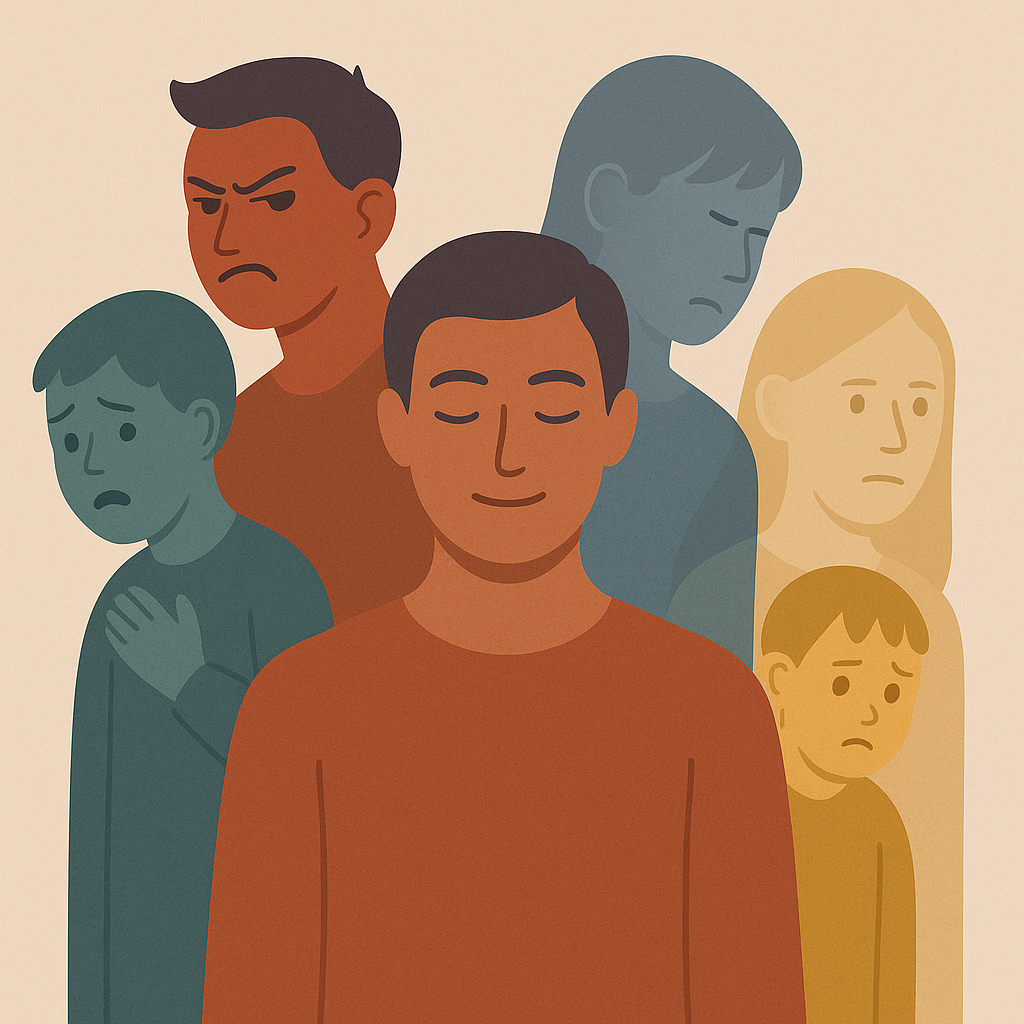
Why People Stay Stuck: What Recovery Circles Often Miss
Explores why people stay stuck in recovery: emotional suppression, misdiagnosed mood issues, childhood disconnection, and the limits of peer-led programs. A deeper look at addiction, IFS, and rebuilding internal connection for lasting change. Brian Granneman, LMHC, CAP, CCTP, Naples Integrated Recovery