

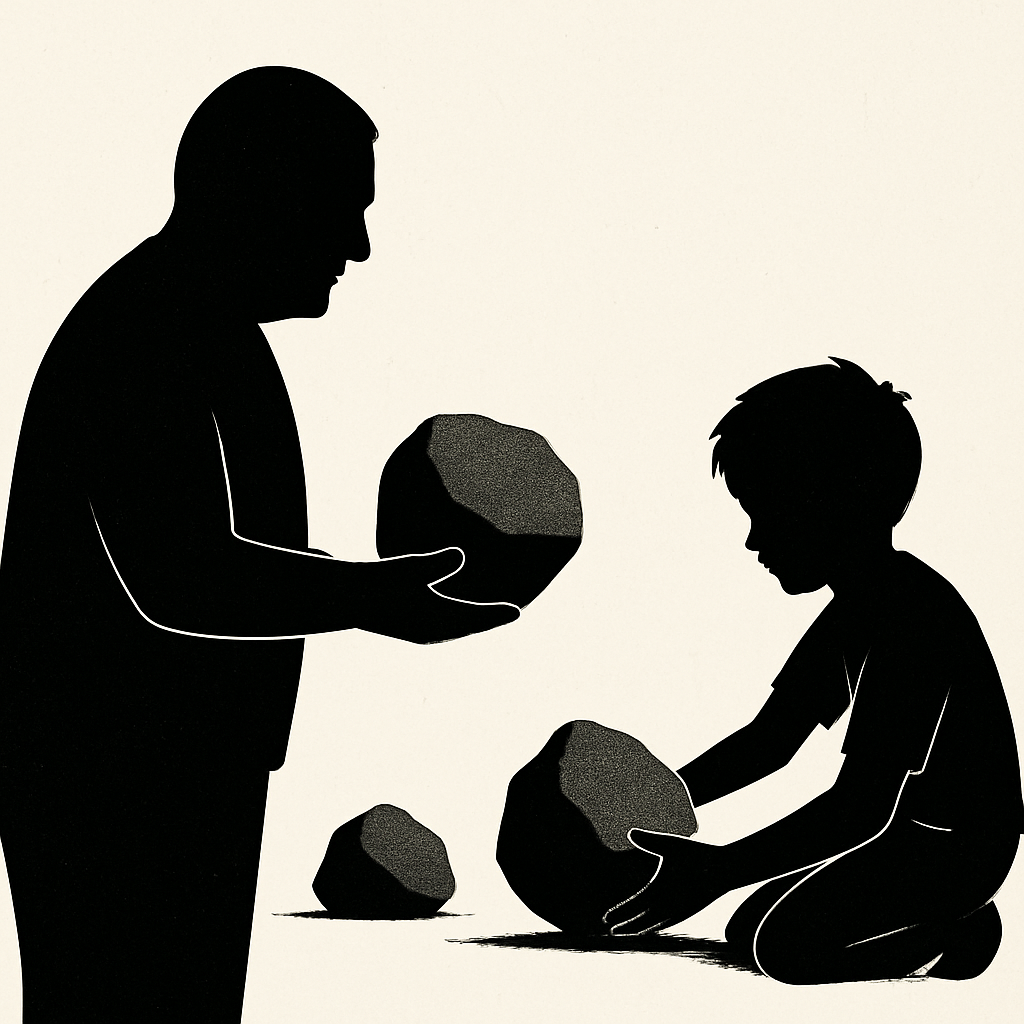
The Missing Step Many Boomers Never Got: Why Witnessing Matters More Than Grit
Boomer toughness shaped adults to survive with grit but left many emotionally underbuilt. Explore generational conditioning, blame reflexes, repair, and how to break inherited patterns without overcorrecting. A grounded look at accountability and growth across generations. — Brian Granneman, LMHC, CAP, CCTP, Naples Integrated Recovery
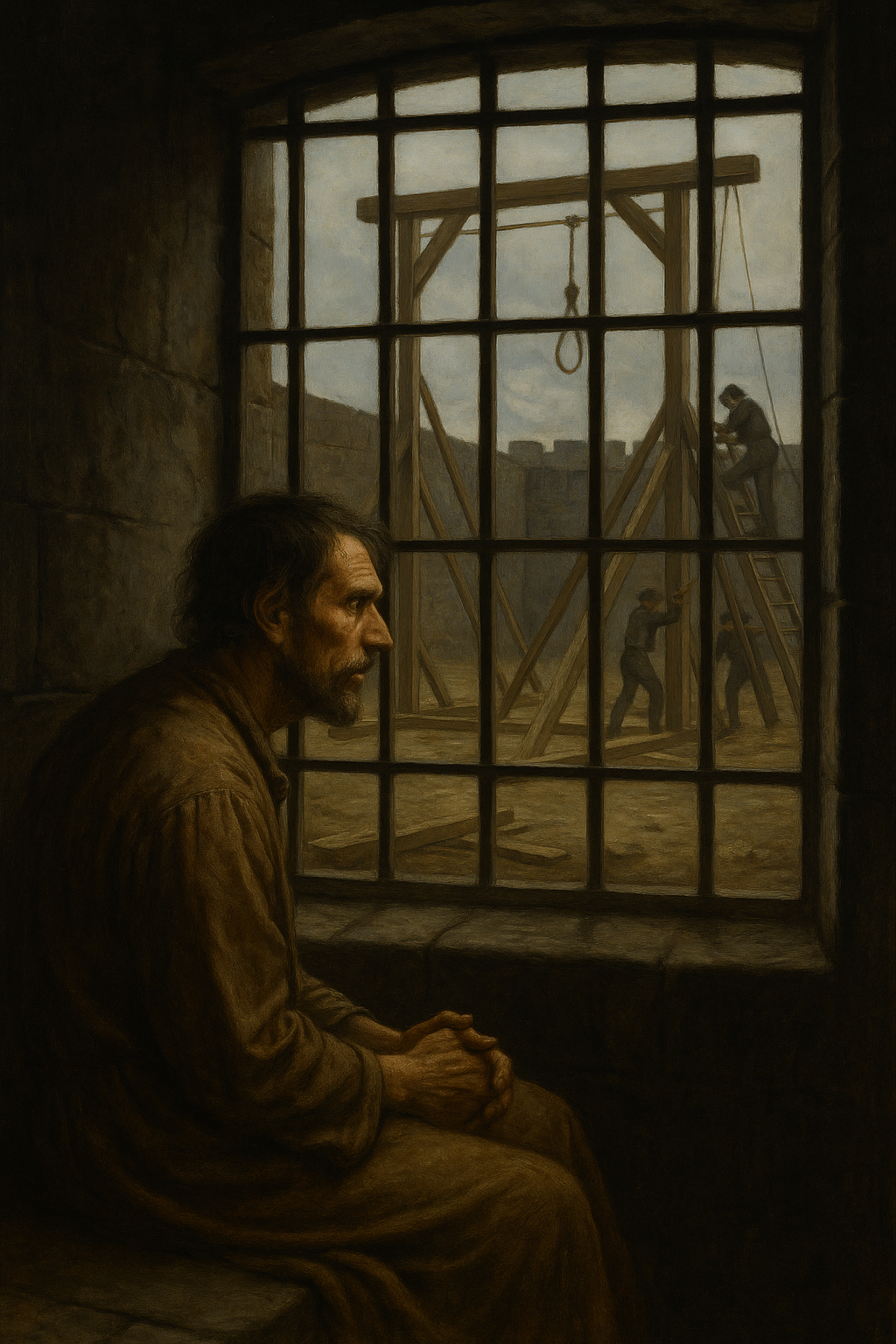
When Life Stops Playing Fair: How Not to Lose Yourself When Everything Falls Apart
In The Consolation of Philosophy, Boethius confronts imprisonment and mortality through dialogue with Lady Philosophy, blending Stoicism and faith into a timeless lesson on resilience. Naples Integrated Recovery therapist Brian Granneman, LMHC, CAP, CCTP reflects on what this ancient text teaches about control, acceptance, and how to stop arguing with reality.
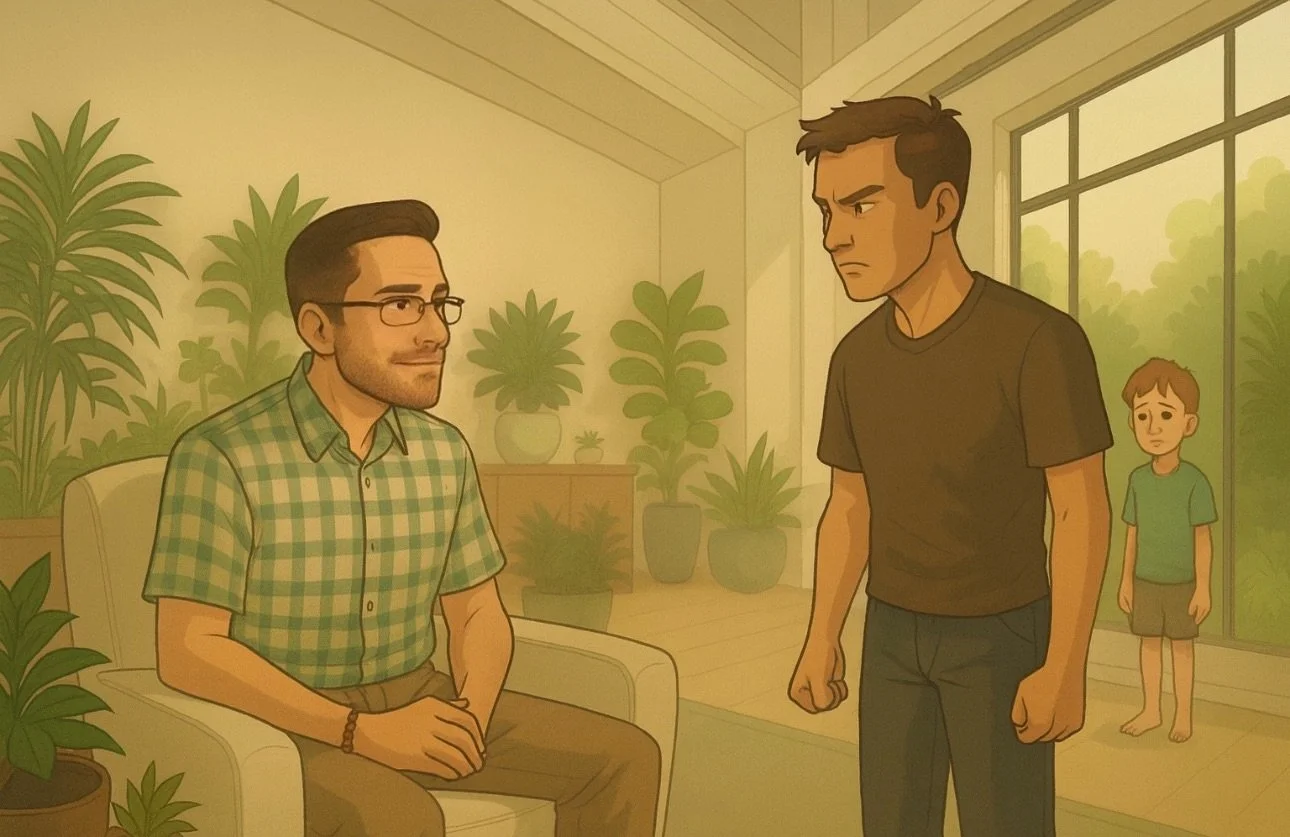
What It Means to Be Seen
Being seen is one of the most powerful forces in healing. This article explores how trauma, disconnection, and emotional neglect shape us—and how genuine presence, curiosity, and connection can rewire safety and belonging. For anyone craving authenticity, empathy, and real human connection. Brian Granneman, LMHC, CAP, CCTP, Naples Integrated Recovery
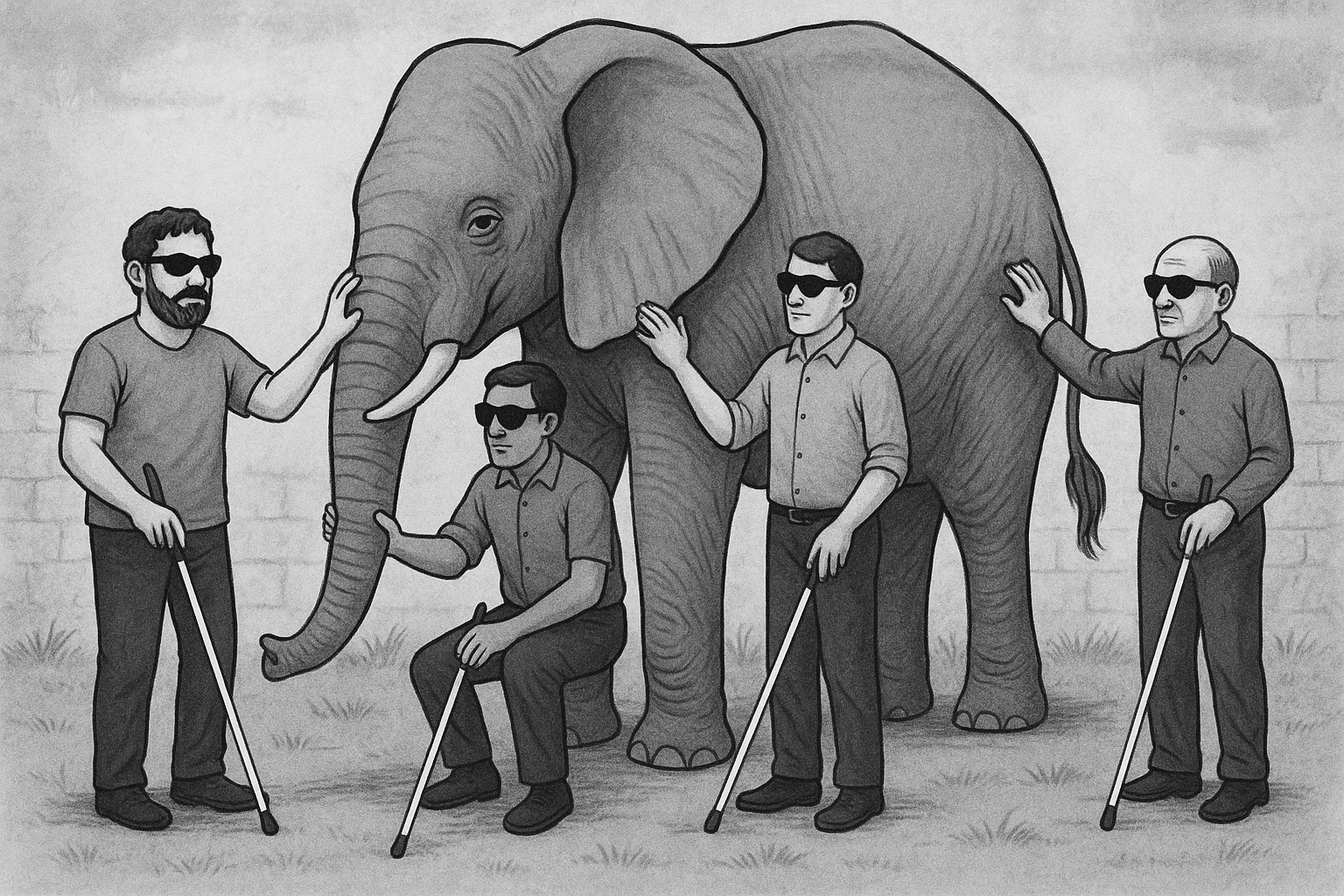
How Learning to See Truth Differently Helped Me Make Peace With Faith
A grounded look at how rigid belief systems shape identity and suffering, and how shifting from certainty to clear, humble seeing can transform faith. This explores Right View, personal agency, and a wider understanding of truth without abandoning spirituality. Brian Granneman, LMHC, CAP, CCTP, Naples Integrated Recovery
The Neuroscience of Safety: How the Mind and Body Shape Each Other
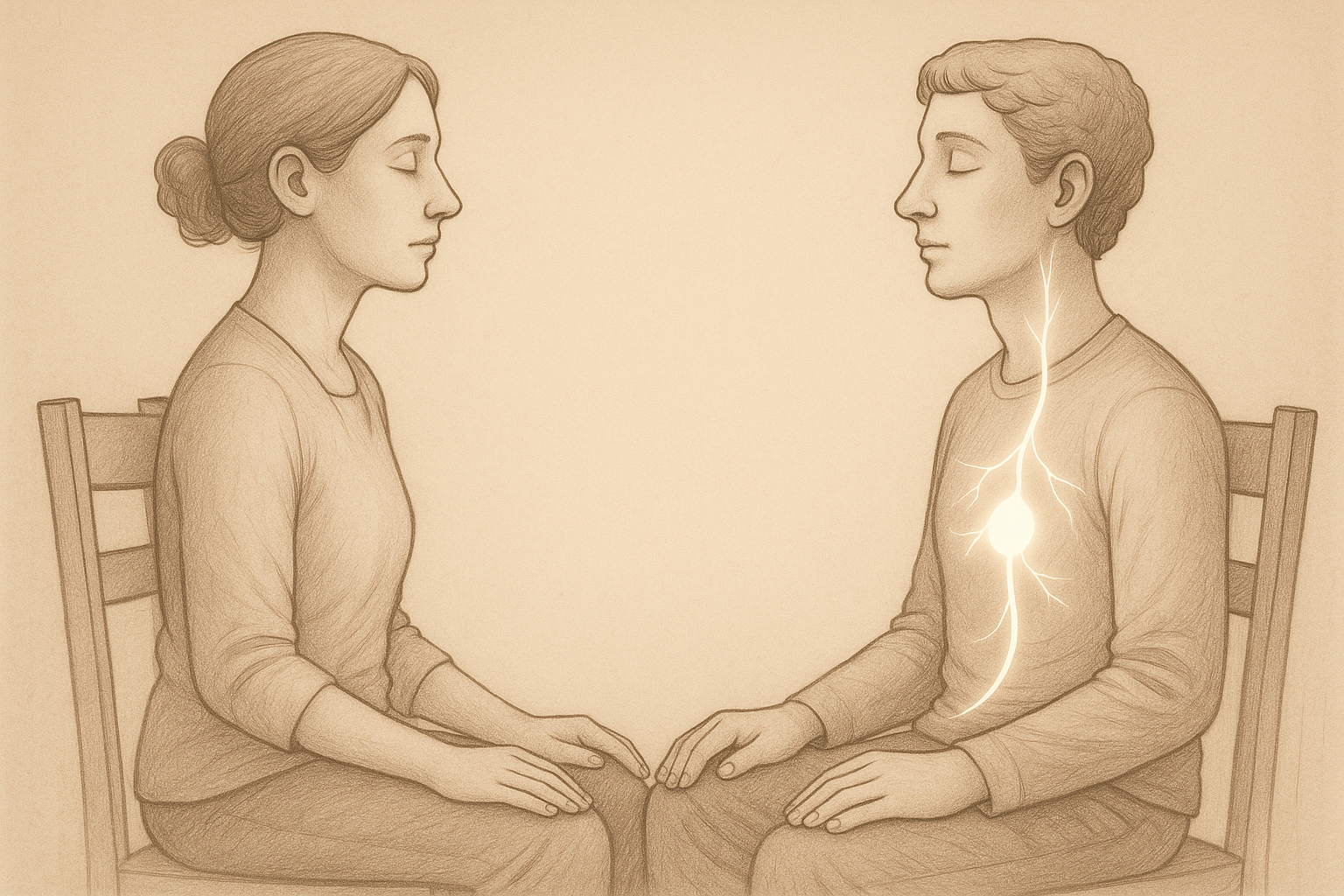
Explore how Polyvagal Theory reveals the biology of safety, attention, and healing. Learn how our nervous system shapes thought, emotion, and presence — and how mindful co-regulation in therapy and daily life restores calm, resilience, and authentic connection between body and mind. Brian Granneman, LMHC, CAP, CCTP, Naples Integrated Recovery

Doing the Work
“Doing the Work” explores the real meaning of inner healing beyond therapy clichés—through the lens of Internal Family Systems (IFS), recovery, and spirituality. It examines how we face our exiled parts, integrate shadow work, and move from seeking external validation to self-led wholeness and authentic connection.

Why We Mistake Chemistry for Connection: The Near Miss, the Slot Machine, and Rewiring Desire
We mistake chaos for chemistry when our nervous system craves the “near miss” and the slot machine highs of unstable love. This article unpacks why we chase red flags, how our reward system gets rewired for chaos, and what it takes to retrain the brain so safety, trust, and steady connection feel just as powerful as the thrill of unpredictability. Brian Granneman, LMHC, CAP, CCTP, Naples Integrated Recovery

The Neuroscience of Revenge, and Why Forgiveness Is a Real Brain Intervention
Explore the neuroscience of revenge and forgiveness—why humiliation triggers the brain’s pain and reward circuits, how dopamine fuels retaliation cravings, and why forgiveness is a brain-based intervention, not just a spiritual ideal. Learn a practical “Mental Court” technique to gain accountability without harm, reduce rumination, restore self-control, and protect your future. Brian Granneman, LMHC, CAP, CCTP, Naples Integrated Recovery

Kintsugi – Turning Life’s Cracks into Gold
Discover how the art of Kintsugi and the ancient philosophy of Stoicism teach us to embrace flaws, accept change, and transform life’s hardships into resilience. Learn how your personal “cracks” can become golden seams of wisdom, strength, and beauty—and why our imperfections make us who we are. Brian Granneman, LMHC, CAP, CCTP, Naples Integrated Recovery

Why Am I Reacting Like This? Understanding Emotional Triggers and What to Do About Them
Emotional triggers arise from old protective parts reacting to present-day stress. Understanding these IFS patterns — and practicing skills like grounding, curiosity, and nervous-system regulation — helps you respond instead of react. Learn how to work with your parts and build real emotional stability.
Brian Granneman, LMHC, CAP, CCTP, Naples Integrated Recovery