


Why Am I Reacting Like This? Understanding Emotional Triggers and What to Do About Them
Emotional triggers arise from old protective parts reacting to present-day stress. Understanding these IFS patterns — and practicing skills like grounding, curiosity, and nervous-system regulation — helps you respond instead of react. Learn how to work with your parts and build real emotional stability.
Brian Granneman, LMHC, CAP, CCTP, Naples Integrated Recovery
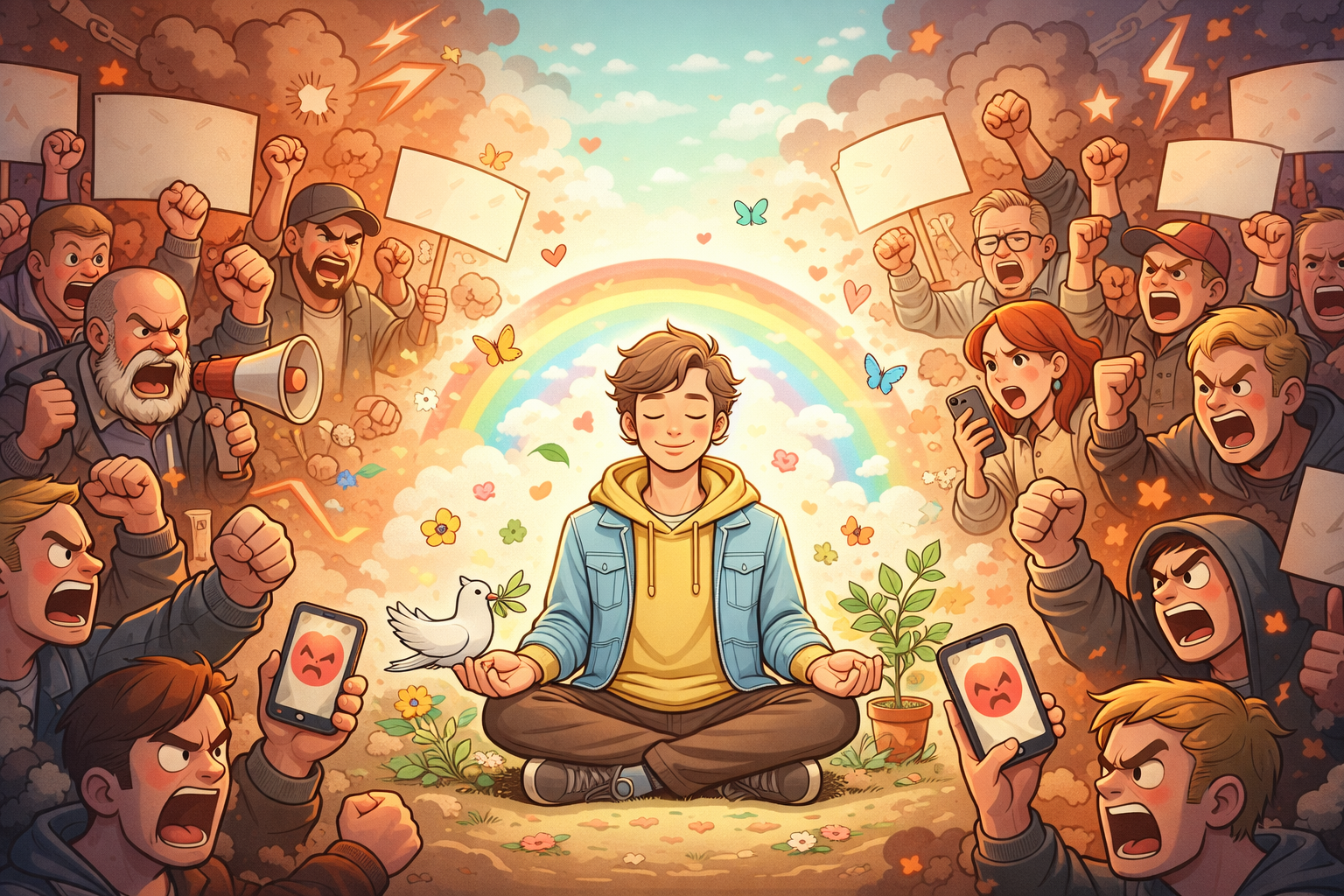
Why Kindness Still Matters in an Age of Outrage
In a world fueled by outrage, is empathy a weakness—or our last hope? Explore empathy’s role in justice, civilization, and personal growth. Drawing on Stoic philosophy, historical examples, and modern critiques, it argues that empathy isn’t naive—it’s necessary for a functioning, humane society. Brian Granneman, MA, LMHC, CAP, CCTP — Naples Integrated Recovery.

Voluntary Discomfort: Resistance Training for the Soul
Comfort may feel safe, but it’s secretly limiting your growth. In this deep dive into resistance, we explore how fear, discomfort, and hesitation are not signs of failure—but invitations to grow. Learn how embracing discomfort can train your nervous system, build resilience, and unlock the life you actually want. Brian Granneman, MA, LMHC, CAP, CCTP — Naples Integrated Recovery.

How Your Smartphone hijacks and rewires the brain
Smartphones have rewired childhood by replacing boredom, play, and real connection with overstimulation, comparison, and constant dopamine loops. Explore the developmental and emotional fallout and how parents can rebuild resilience, presence, and healthier habits. Brian Granneman, MA, LMHC, CAP, CCTP — Naples Integrated Recovery.

Consistency, Outrage, and Looking in the Mirror
Consistency in politics collapses when outrage is selective. People denounce “tyranny” only when it helps their side, ignoring the same behavior when it benefits their own group. A Stoic lens calls for accountability, steadiness, and holding principles above tribal loyalty.
Brian Granneman, LMHC, CAP, CCTP, Naples Integrated Recovery

Free Won’t: Using Your Prefrontal Cortex Veto
Explore how determinism, neuroscience, and Stoic philosophy shape the debate on free will, highlighting the power of “free won’t” — the ability to pause, veto impulses, and choose intentional action. Brian Granneman, LMHC, CAP, CCTP, Naples Integrated Recovery

Allowing Your Emotions: Why Feeling is the First Step Toward Healing
Emotions don’t disappear when ignored—they resurface through anxiety, burnout, and disconnection. Healing begins by naming what you feel, creating space for vulnerability, and getting curious instead of suppressing. Emotional honesty restores clarity and regulation.
Brian Granneman, LMHC, CAP, CCTP
Naples Integrated Recovery

The Stoics on Forgiving and releasing a grudge
Epictetus teaches that people who wrong us act from confusion, not clarity. Wrongdoing harms the wrongdoer first by destroying judgment and virtue, making anger unnecessary. Letting go of grudges restores peace while maintaining boundaries.
Brian Granneman, LMHC, CAP, CCTP
Naples Integrated Recovery

Breaking Free from the King Baby Syndrome in Recovery
“King Baby” describes the immature ego patterns that fuel addiction—craving comfort, resisting limits, and avoiding accountability. Recovery grows when you trade control for honesty, regulate emotions, and meet the wounded inner child with structure and humility. That’s where real freedom begins.
Brian Granneman, LMHC, CAP, CCTP
Naples Integrated Recovery

Handling Your Partner’s Bad Mood Without Losing Yourself
When your partner is in a bad mood, it’s easy to take it personally. But true emotional resilience comes from differentiation—the ability to stay grounded without absorbing their emotions. Learn how to support your partner without losing yourself, set healthy boundaries, and navigate emotional space with trust and respect. Strengthen your relationship by balancing empathy with self-care. Brian Granneman, MA, LMHC, CAP, CCTP — Naples Integrated Recovery.