

How Breakups Rewire You: What You Carry Into Your Next Relationship
Breakups don’t just hurt—they rewire the nervous system. This article explores attachment loss, grief vs. bargaining, relief vs. healing, and how unresolved endings shape trust, regulation, and patterns in future relationships. Learn what a “clean ending” actually means and how integration builds capacity instead of carrying emotional debt forward.
Brian Granneman, LMHC, CAP, CCTP, Naples Integrated Recovery

The Empty Boat: Learning Not to Take Things Personally
The Empty Boat parable teaches us not to take life’s bumps so personally. Sometimes anger arises not from what happens, but from the story we tell ourselves about why it happened. By seeing life’s collisions as drifting boats on the river, we can respond with mindfulness, compassion, and freedom instead of reactivity.

Why “Forever” Doesn’t Work — and What Healthy Love Actually Looks Like
Impermanence shapes every relationship, identity, and stage of life. This article explores why clinging creates suffering, how to honor past versions of yourself without shame, and what it means to choose love and commitment in the present moment rather than chasing permanence.
Brian Granneman, LMHC, CAP, CCTP, Naples Integrated Recovery

How Attachment and the Nervous System Amplify Conflict — and When They’re Not the Problem
Intimate relationships activate the nervous system faster than logic. This article explains why partners trigger each other so intensely, how attachment patterns and negativity bias shape conflict, and why structure, repair, and reassurance—not insight alone—create real relational safety. Brian Granneman, LMHC, CAP, CCTP, Naples Integrated Recovery

The Raft: Outgrowing What Once Carried You
A reflection on outgrowing the structures that once held you together — recovery frameworks, identities, relationships, or belief systems — and learning to let go without shame. A grounded look at growth, differentiation, and honoring what carried you without staying confined to it.
Brian Granneman, LMHC, CAP, CCTP, Naples Integrated Recovery
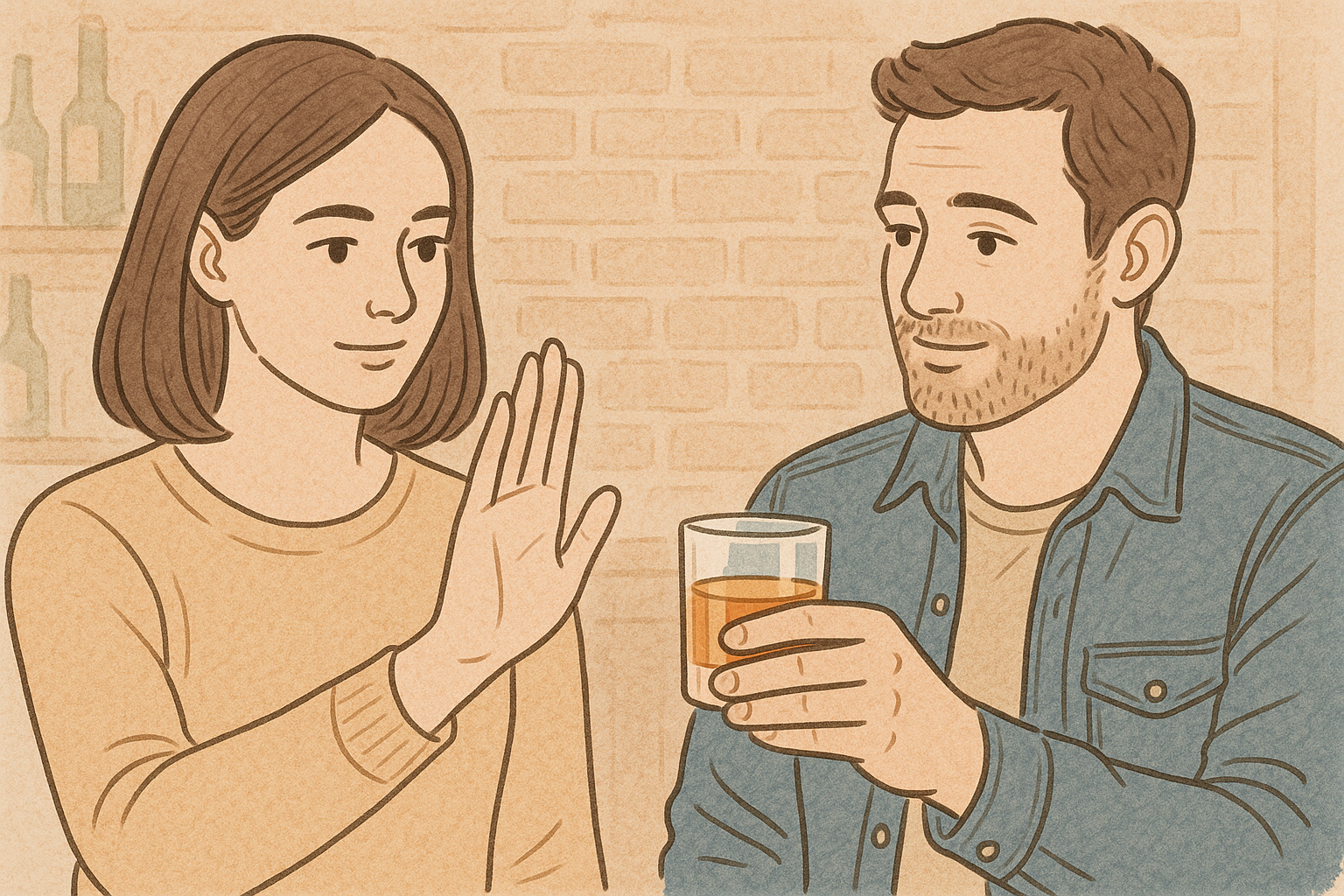
Resisting Pressure: How Not to Cave
A grounded look at resisting pressure—why people cave, how oversensitivity to shame drives people-pleasing, and the practical habits that build backbone without becoming rigid. A Stoic, real-world guide to setting boundaries with clarity and tact.
Brian Granneman, LMHC, CAP, CCTP, Naples Integrated Recovery.

Why Adult Friendships Change (And Why It’s Rarely Personal)
Adult friendships change because the conditions that once made connection effortless—proximity, timing, and energy—shift as life evolves. This article explains why friendships fade, why it’s rarely personal, and how to stop misinterpreting normal drift as rejection while building healthier, more intentional adult relationships. Brian Granneman LMHC, CAP, CCTP Naples Integrated Recovery
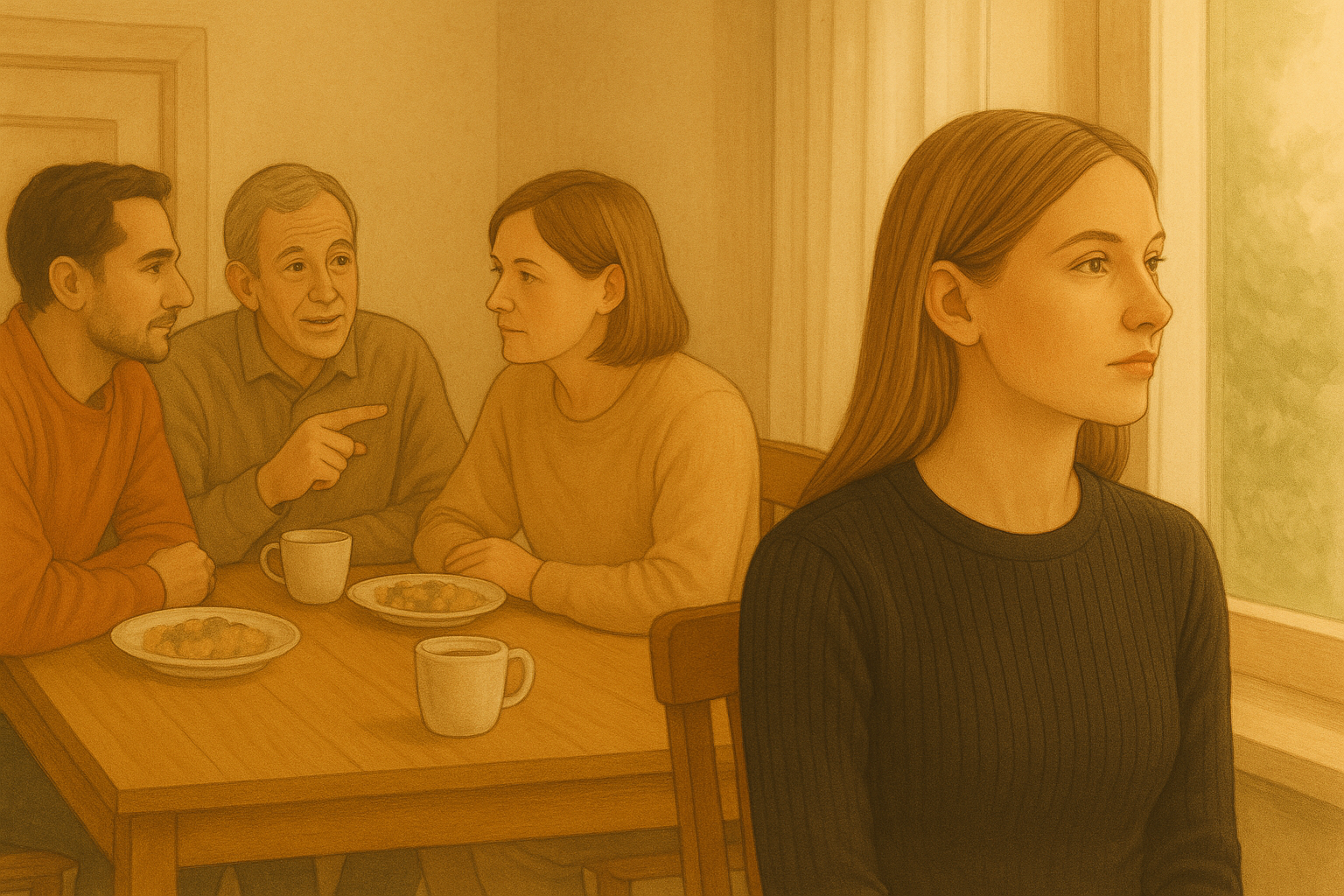
The “Let Them” Mindset: Differentiation and Emotional Maturity in Practice
Learn how differentiation and emotional maturity can transform family relationships. This post explores how to love difficult people without losing yourself—balancing compassion with boundaries, calm with clarity, and connection with individuality. Featuring insights on Stoicism, “Let Them” mindset, and family systems. Brian Granneman, LMHC, CAP, CCTP Naples Integrated Recovery
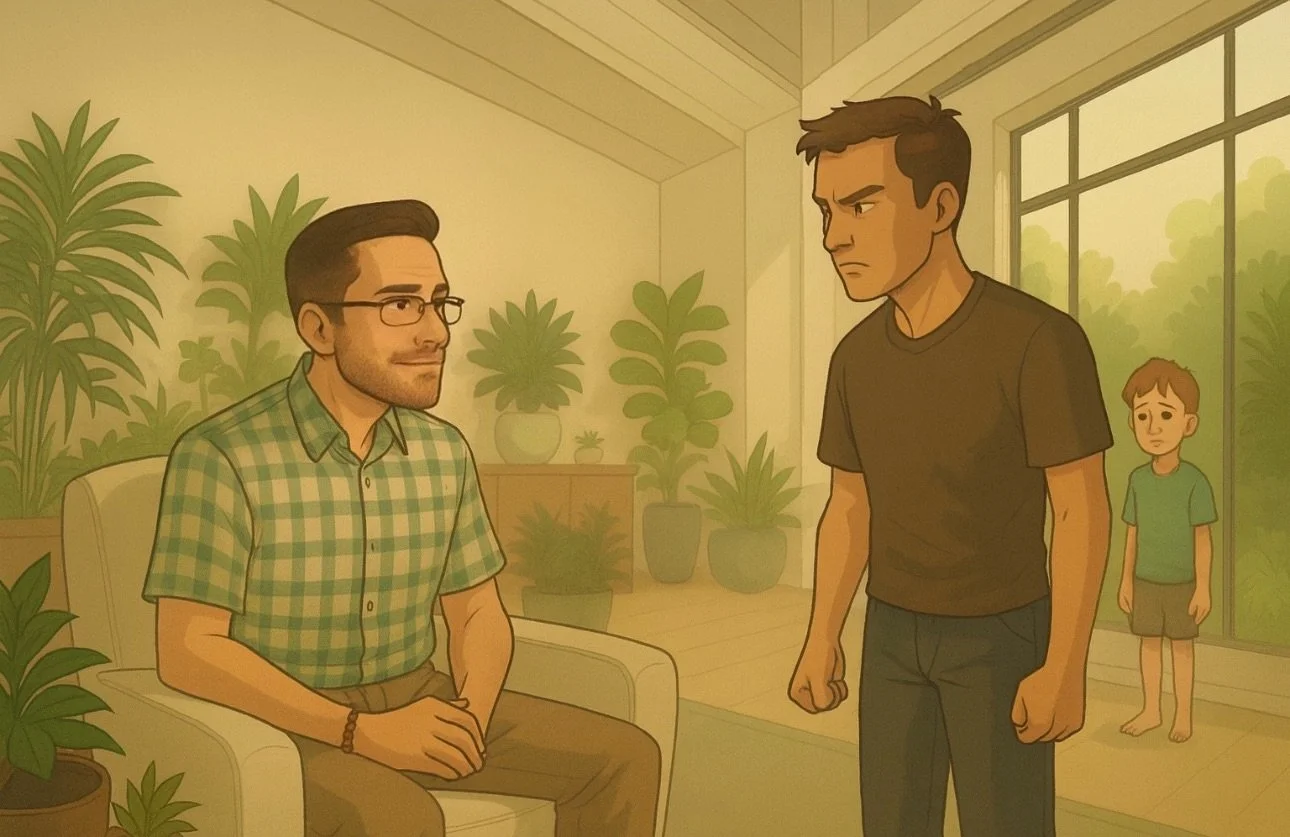
What It Means to Be Seen
Being seen is one of the most powerful forces in healing. This article explores how trauma, disconnection, and emotional neglect shape us—and how genuine presence, curiosity, and connection can rewire safety and belonging. For anyone craving authenticity, empathy, and real human connection. Brian Granneman, LMHC, CAP, CCTP, Naples Integrated Recovery
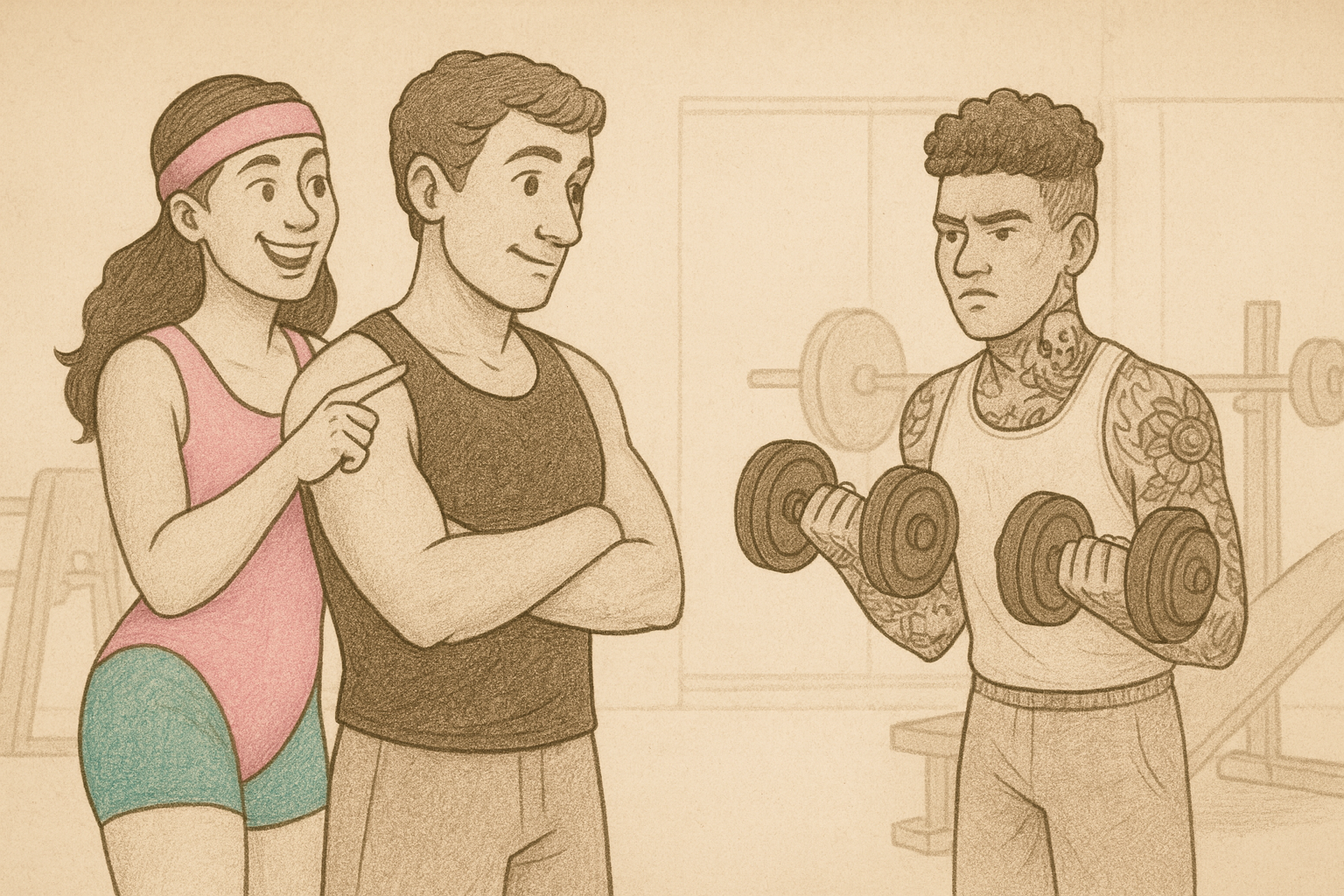
got a broken ‘picker’? The Psychology of Attraction and Attachment
How attraction, attachment, and evolution intertwine. Why we’re drawn to certain partners, how our nervous system shapes love and conflict, and what it means to outgrow familiar chemistry for genuine connection. Learn how biology, projection, and regulation all shape the way we love. Brian Granneman, LMHC, CAP, CCTP

Inside the Work: Rebuilding Connection Without Blame
Inside Work: Rebuilding Connection Without Blame - explore how couples can rebuild emotional safety and intimacy by shifting from blame to curiosity, accountability, and honest repair. Practical tools for navigating conflict, deepening trust, and restoring connection with empathy. Brian Granneman, LMHC, Naples Integrated Recovery.

Why We Mistake Chemistry for Connection: The Near Miss, the Slot Machine, and Rewiring Desire
We mistake chaos for chemistry when our nervous system craves the “near miss” and the slot machine highs of unstable love. This article unpacks why we chase red flags, how our reward system gets rewired for chaos, and what it takes to retrain the brain so safety, trust, and steady connection feel just as powerful as the thrill of unpredictability. Brian Granneman, LMHC, CAP, CCTP, Naples Integrated Recovery

How to Break Up Without Breaking Down: A Guide to Healing a Broken Heart
Heartbreak is part of life, but Stoic philosophy can guide us through it. Learn how to let go with grace, love without attachment, and reclaim your life after a breakup. This guide explores wisdom from Seneca, Epictetus, and Marcus Aurelius to help you heal, grow, and rise stronger after love ends. Brian Granneman, LMHC, CAP, CCTP, Naples Integrated Recovery

Why Individualism Fails: A Perspective on Connection and Purpose
Modern culture celebrates independence, but excessive individualism often leads to isolation and meaninglessness. This blog explores why the “self-made” myth fails and how Stoic philosophy—through thinkers like Seneca, Epictetus, and Marcus Aurelius—champions interconnectedness, gratitude, and community as keys to a fulfilled life. Brian Granneman, LMHC, CAP, CCTP, Naples Integrated Recovery

Breaking the Cycle: Recognizing Codependency and Enabling in Relationships
Codependency and enabling keep addiction alive by shielding loved ones from consequences. Healthy support means boundaries, accountability, and detaching with love to empower real change.
Brian Granneman, LMHC, CAP, CCTP, Naples Integrated Recovery
From Scorekeeping to Radical Generosity: Rethinking Modern Relationships
Modern relationships often break down not from imperfection but from constant scorekeeping. Explore how shifting from fairness to radical generosity creates connection, reduces resentment, and strengthens partnership through shared intention and accountability. Written by Brian Granneman, LMHC, CAP, CCTP — Naples Integrated Recovery.

When “Good Enough” Sex Really Is Enough
Sex doesn’t have to be perfect to sustain intimacy. Many couples thrive with “good enough” sex—pleasurable, connected, and pressure-free. Real satisfaction comes from honesty, aligned expectations, and focusing on the relationship you actually have, not an idealized standard.
Brian Granneman, LMHC, CAP, CCTP
Naples Integrated Recovery

Handling Your Partner’s Bad Mood Without Losing Yourself
When your partner is in a bad mood, it’s easy to take it personally. But true emotional resilience comes from differentiation—the ability to stay grounded without absorbing their emotions. Learn how to support your partner without losing yourself, set healthy boundaries, and navigate emotional space with trust and respect. Strengthen your relationship by balancing empathy with self-care. Brian Granneman, MA, LMHC, CAP, CCTP — Naples Integrated Recovery.

Why Being Right Ruins Connection
Fights escalate when partners focus on being right instead of understanding. Defensiveness, blame, and shutdowns erode safety, while curiosity, validation, and repair rebuild connection. Letting go of “winning” strengthens trust and keeps the relationship aligned, not adversarial.
Brian Granneman, LMHC, CAP, CCTP
Naples Integrated Recovery

When the Relationship Honeymoon ends
As the honeymoon fades, defensiveness, triggers, and old patterns surface. Connection breaks down when partners misread needs as criticism or shut down to avoid shame. Real intimacy grows through curiosity, repair, and small, consistent efforts to stay emotionally present.
Brian Granneman, LMHC, CAP, CCTP
Naples Integrated Recovery