
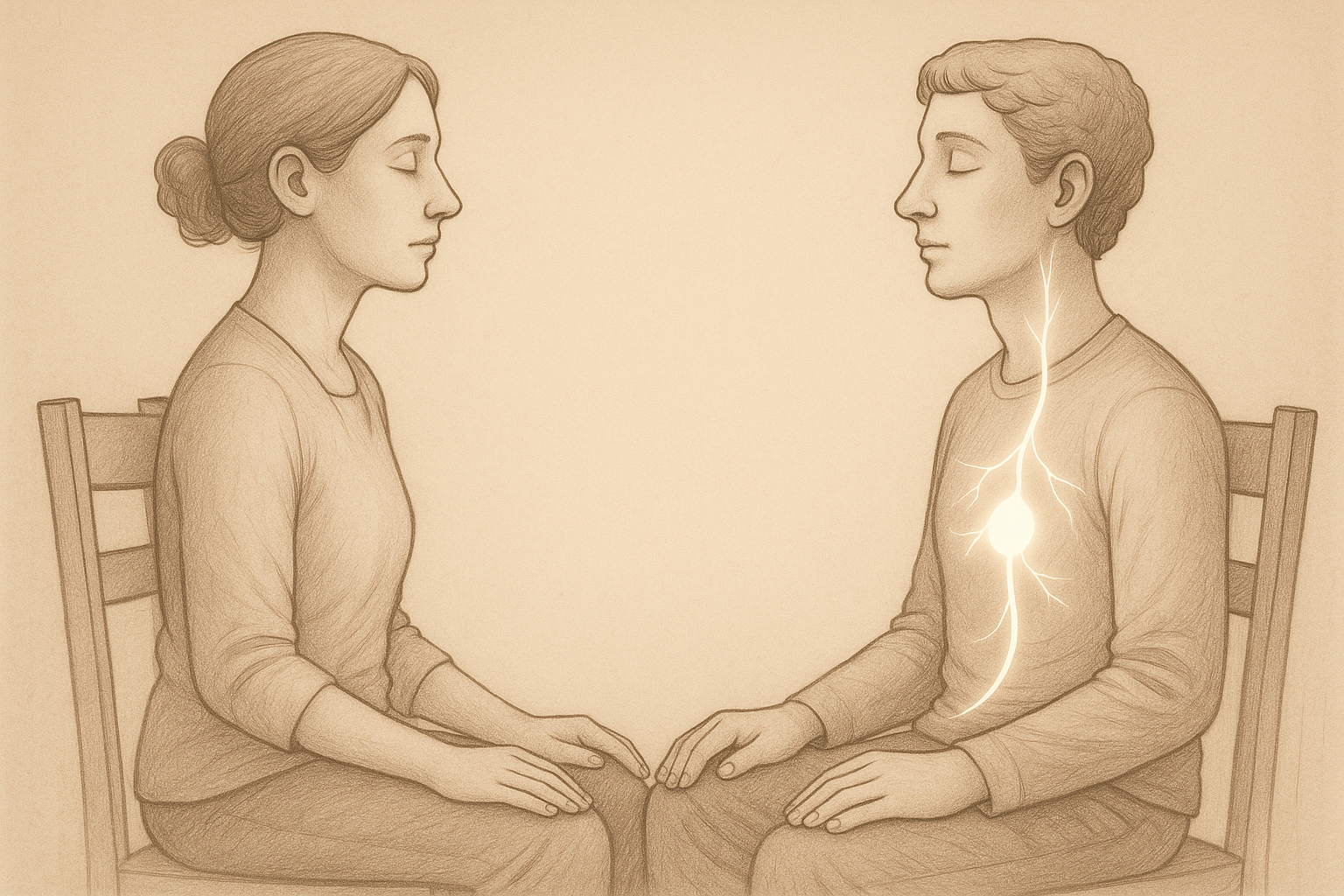
The Neuroscience of Safety: How the Mind and Body Shape Each Other
Explore how Polyvagal Theory reveals the biology of safety, attention, and healing. Learn how our nervous system shapes thought, emotion, and presence — and how mindful co-regulation in therapy and daily life restores calm, resilience, and authentic connection between body and mind. Brian Granneman, LMHC, CAP, CCTP, Naples Integrated Recovery

Stop gratitude journaling. it’s not ‘thank you’ or a list
A deeper look at gratitude beyond lists—how story-based, emotionally grounded recall activates safety circuits in the brain, reduces stress responses, and strengthens connection in trauma and recovery work. Gratitude shifts the nervous system from defense to presence when it’s lived, not forced. — Brian Granneman, LMHC, CAP, CCTP, Naples Integrated Recovery

Outgrowing old frameworks
Outgrowing Old Frameworks explores what happens when growth outpaces the teachers and systems that once felt sacred. Through trauma integration, IFS, and shadow work, it redefines “doing the work” as evolving beyond external validation—moving from obedience to authentic, self-led spiritual maturity. Brian Granneman, LMHC, CAP, CCTP, Naples Integrated Recovery

What My Pitbull Honey Taught Me About Recovery, Impulse, and Grace
A grounded look at addiction, impulse, and recovery through the lens of neurobiology and the lessons learned from my pitbull Honey. Explores dopamine wiring, resilience, shame reduction, and how instinct meets accountability. A compassionate narrative about healing, discipline, and choosing to come home.
Brian Granneman, LMHC, CAP, CCTP, Naples Integrated Recovery

Doing the Work
“Doing the Work” explores the real meaning of inner healing beyond therapy clichés—through the lens of Internal Family Systems (IFS), recovery, and spirituality. It examines how we face our exiled parts, integrate shadow work, and move from seeking external validation to self-led wholeness and authentic connection.

Inside the Work: Rebuilding Connection Without Blame
Inside Work: Rebuilding Connection Without Blame - explore how couples can rebuild emotional safety and intimacy by shifting from blame to curiosity, accountability, and honest repair. Practical tools for navigating conflict, deepening trust, and restoring connection with empathy. Brian Granneman, LMHC, Naples Integrated Recovery.
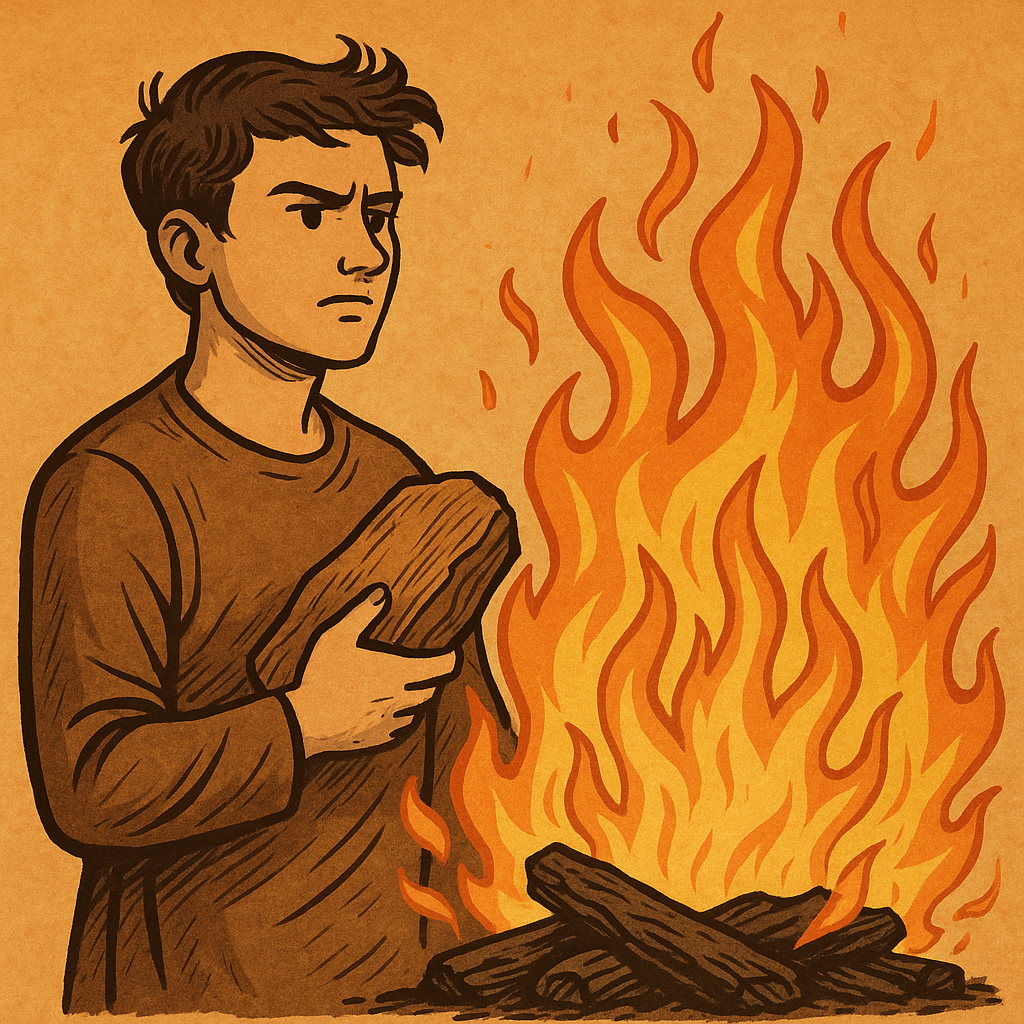
Turning Pain into Fuel Instead of Suffering
Amor Fati—the Stoic and Nietzschean concept of loving one’s fate—teaches us to embrace challenges, not just endure them. This mindset turns adversity into fuel for growth, helping us find meaning, resilience, and purpose in even the hardest experiences. Learn how to transform pain into power through radical acceptance. Brian Granneman, LMHC, CAP, CCTP, Naples Integrated Recovery

Embracing Fate: My Journey of Surrender and Renewal
From losing a law enforcement career to building a thriving private practice, this memoir explores how Stoicism, Amor Fati, and surrender to life’s plan can transform suffering into peace. Through addiction recovery, career loss, and starting over, discover how embracing fate opens unexpected doors and leads to growth, healing, and purpose. Brian Granneman, LMHC, CAP, CCTP, Naples Integrated Recovery

Why We Mistake Chemistry for Connection: The Near Miss, the Slot Machine, and Rewiring Desire
We mistake chaos for chemistry when our nervous system craves the “near miss” and the slot machine highs of unstable love. This article unpacks why we chase red flags, how our reward system gets rewired for chaos, and what it takes to retrain the brain so safety, trust, and steady connection feel just as powerful as the thrill of unpredictability. Brian Granneman, LMHC, CAP, CCTP, Naples Integrated Recovery

The Neuroscience of Revenge, and Why Forgiveness Is a Real Brain Intervention
Explore the neuroscience of revenge and forgiveness—why humiliation triggers the brain’s pain and reward circuits, how dopamine fuels retaliation cravings, and why forgiveness is a brain-based intervention, not just a spiritual ideal. Learn a practical “Mental Court” technique to gain accountability without harm, reduce rumination, restore self-control, and protect your future. Brian Granneman, LMHC, CAP, CCTP, Naples Integrated Recovery