
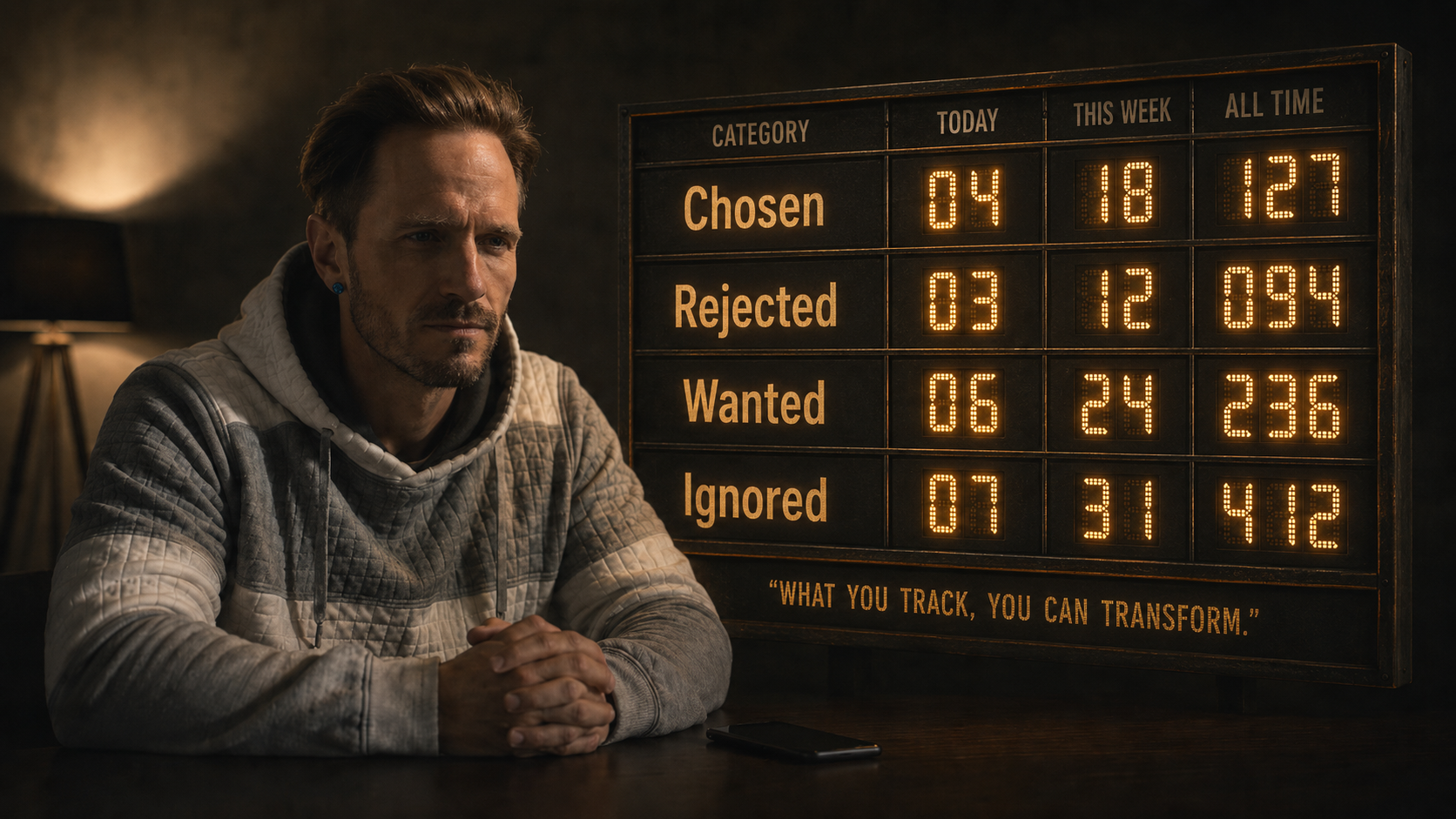
You’re Not Chasing Sex or Relationships — You’re Chasing Being Chosen
Sexual attention can feel like desire, chemistry, or attraction, but for some people the deeper pull is the need to feel chosen. This article examines how early rejection, social ranking, father dynamics, dopamine, pornography, alcohol, dating apps, and novelty can turn attraction into a scoreboard for worth. The focus is on separating genuine desire from validation-seeking and understanding why being wanted by someone new can become so reinforcing.
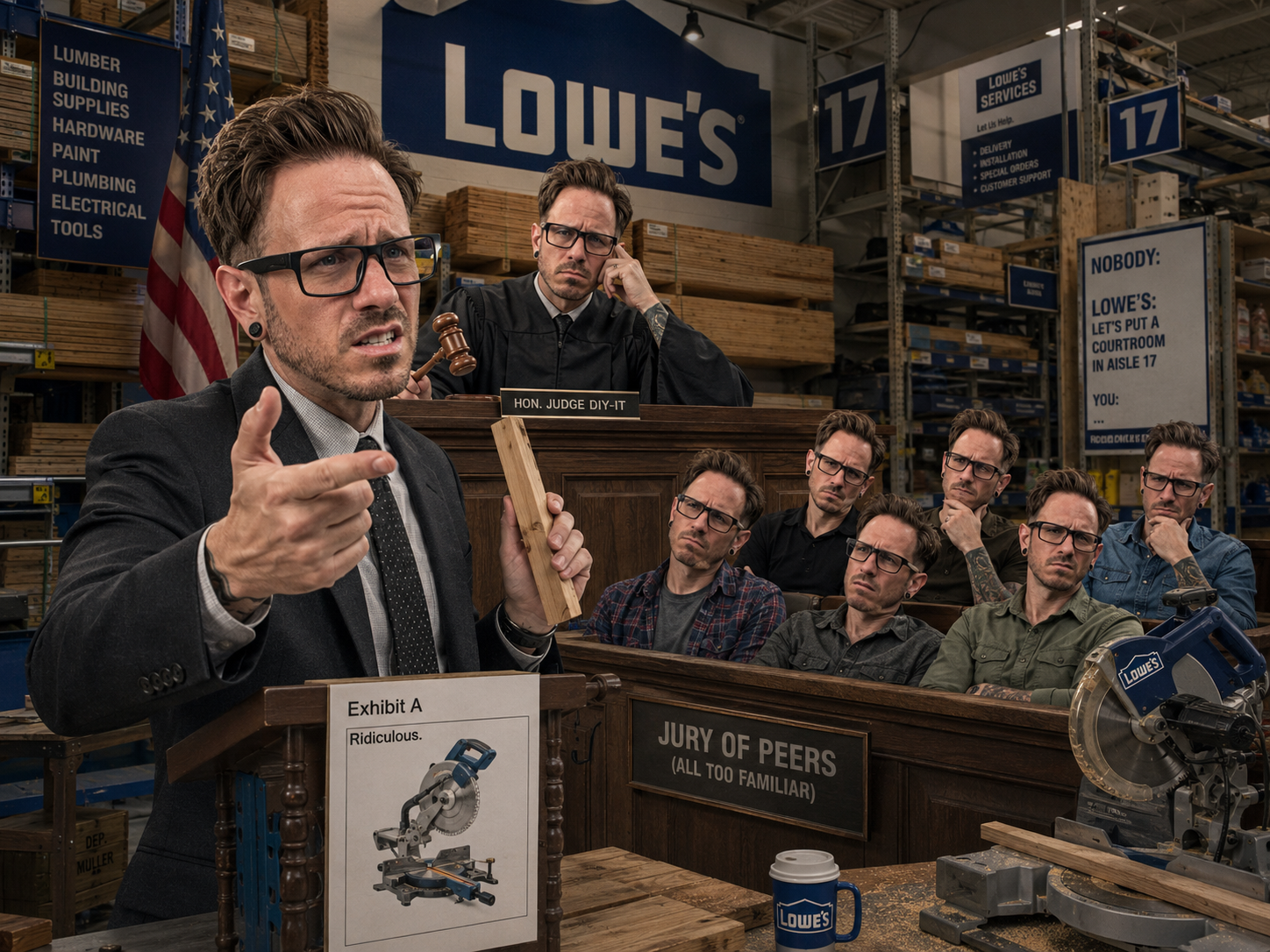
When You’re Right and Still the Problem
People with addiction histories and high-functioning coping patterns can experience intense anger toward inefficiency, passivity, and low ownership. This article explores how contempt, hypervigilance, resentment, recovery culture, and AA “character defects” can turn everyday frustration into a chronic internal prosecution of the world. Using examples from DCF investigations, Home Depot returns, and ordinary systems failures, it examines the hidden cost of staying angry at incompetence.

Why You Keep Replaying Conversations After They’re Over and why Zebra’s Don’t Get Ulcers
Stress, unresolved tension, and perceived lack of control can keep the mind replaying conversations long after they are over. This article explains why rumination happens, how chronic activation keeps people stuck in mental review, and how action, clarity, and emotional regulation help interrupt the loop. Brian Granneman, LMHC, CAP, CCTP, Naples Integrated Recovery.

Money, Status, and the Lie of “A Little More”
Money can become a scoreboard for status, security, and self-worth. This article examines how comparison, early experiences, identity, and “just a little more” thinking shape financial behavior. It also looks at the difference between using money to build freedom and using money to keep proving value through performance. Brian Granneman, LMHC, CAP, CCTP, Naples Integrated Recovery.
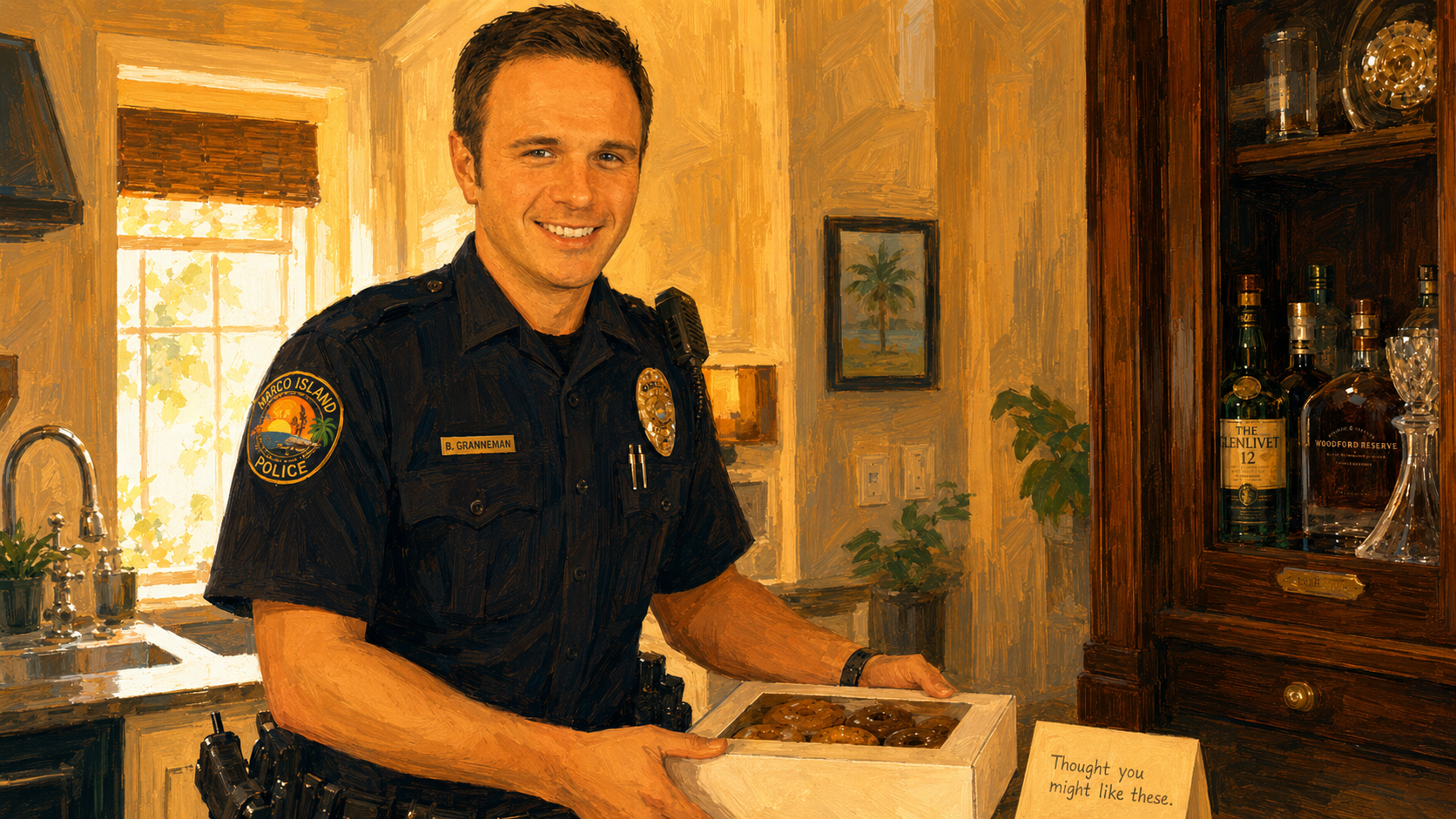
I Am Not Better Than My Clients: Compassion Without Co-signing Bullshit
Addiction can make decent people lie, hide, manipulate, and manage the truth while still carrying real pain underneath. This article explores Gabor Maté’s five levels of compassion, truth without contempt, recovery, accountability, and seeing the person underneath the pattern. Brian Granneman, LMHC, CAP, CCTP, Naples Integrated Recovery,

Broken Mirror Syndrome: When Trauma Warps Self-Evaluation in Real Time
Broken Mirror Syndrome explains how trauma distorts self-evaluation in real time. Feedback feels like condemnation, mistakes become identity, and perfectionism drives shame. Learn how nervous system activation, attachment history, and attentional bias shape self-criticism—and how to recalibrate toward accurate, behavior-focused accountability.
Brian Granneman, LMHC, CAP, CCTP, Naples Integrated Recovery
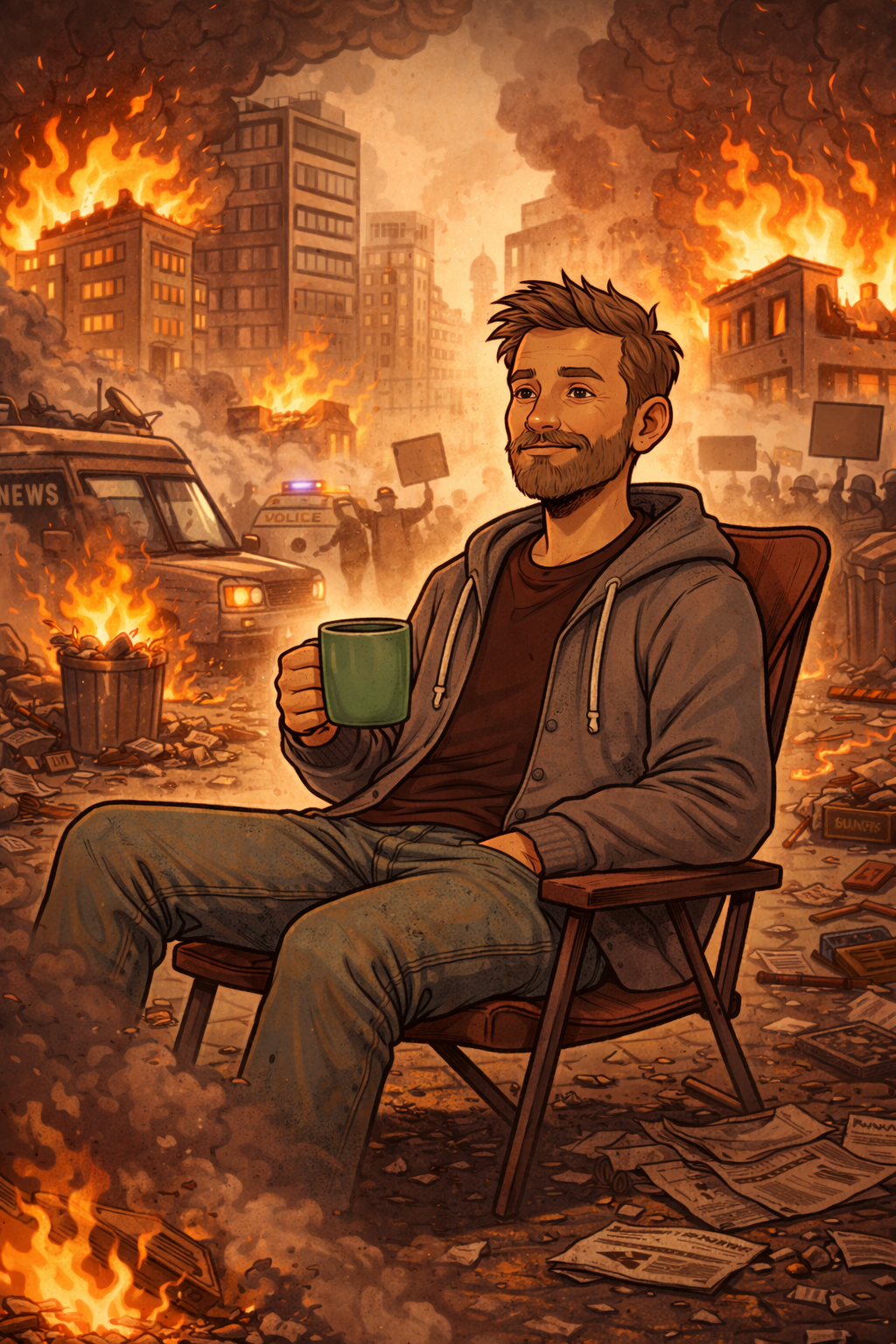
Radical…“okay-ness”, How Awareness Can Reduce Emotional Reactivity
Emotional suffering isn’t caused by pain itself, but by resistance to reality. This article explores how awareness reduces reactivity by revealing impermanence, causality, and scope. When suffering is understood rather than fought, it loses its authority and becomes workable. Brian Granneman, LMHC, CAP, CCTP, Naples Integrated Recovery
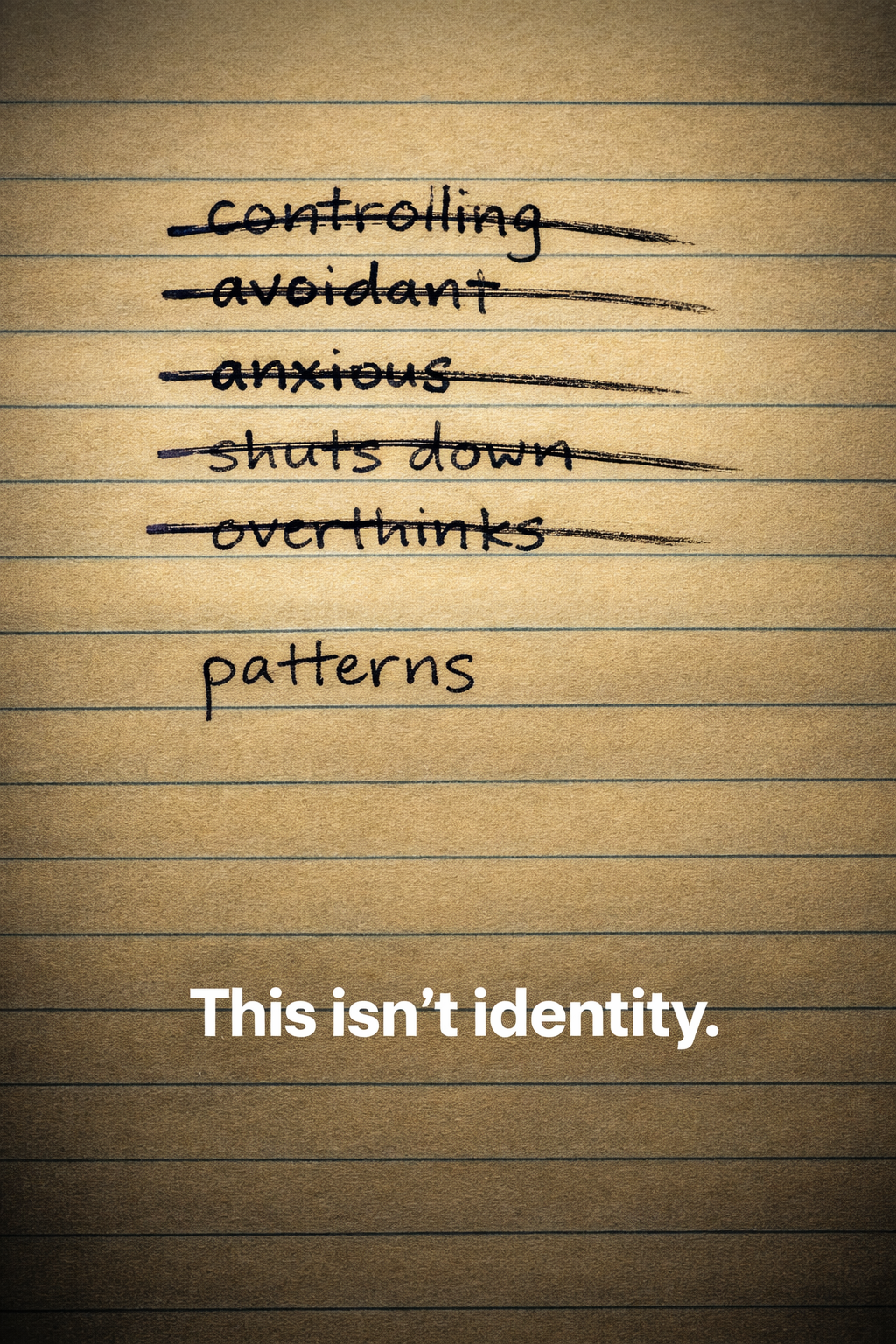
You’re Calling It Personality So You Don’t Have to Change
This explores why identity language keeps people stuck in therapy by turning adaptive patterns into fixed traits. Reframes the self as a system shaped by biology, perception, relationships, and regulation, explaining why insight alone rarely produces change and how flexibility actually develops.
Brian Granneman, LMHC, CAP, CCTP, Naples Integrated Recovery

Why Forgiveness Doesn’t Respond to Force
Why forcing forgiveness often backfires. This piece explains why resentment lingers when the nervous system stays activated, how retaliatory loops keep reactions alive, and why real peace comes through understanding and regulation. Brian Granneman, LMHC, CAP, CCTP, Naples Integrated Recovery.
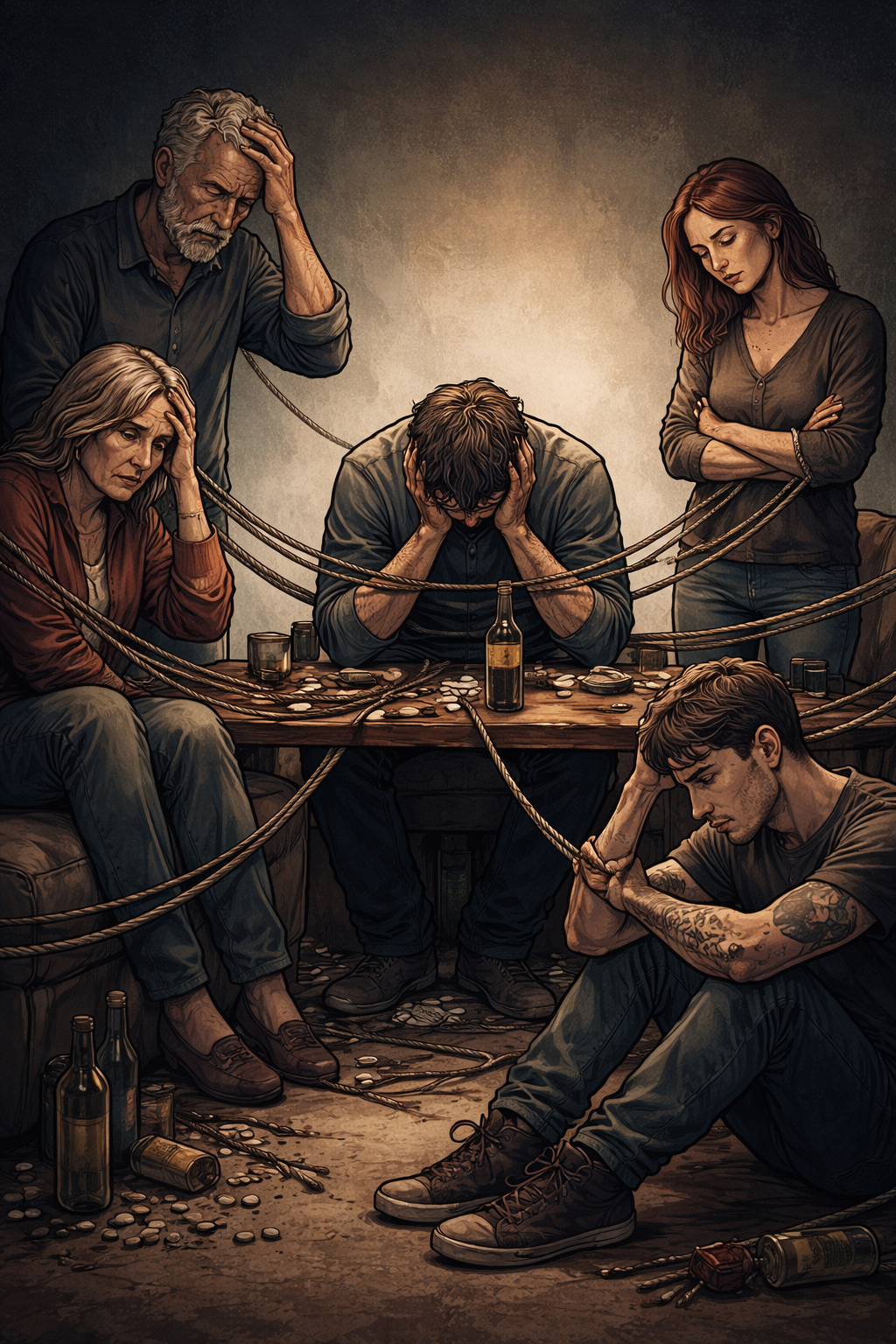
Stop Saving Them: Why Families Stay Stuck
Addiction rarely affects just one person—it reshapes the entire family system. This article explores how roles form, why sobriety doesn’t instantly repair relationships, how rescuing enables dysfunction, and what real recovery requires from partners and adult children. Brian Granneman, LMHC, CAP, CCTP, Naples Integrated Recovery