

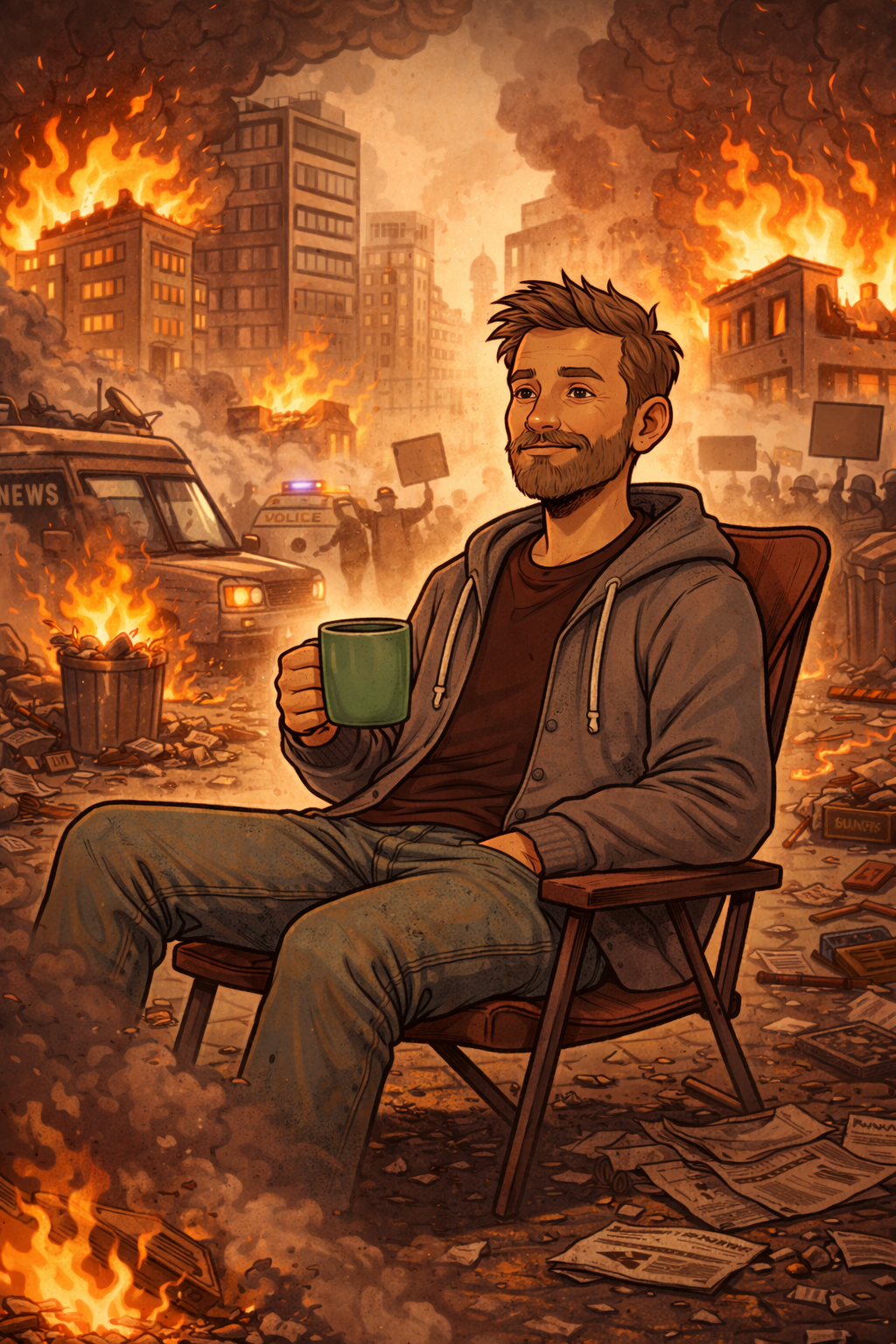
Radical…“okay-ness”, How Awareness Can Reduce Emotional Reactivity
Emotional suffering isn’t caused by pain itself, but by resistance to reality. This article explores how awareness reduces reactivity by revealing impermanence, causality, and scope. When suffering is understood rather than fought, it loses its authority and becomes workable. Brian Granneman, LMHC, CAP, CCTP, Naples Integrated Recovery
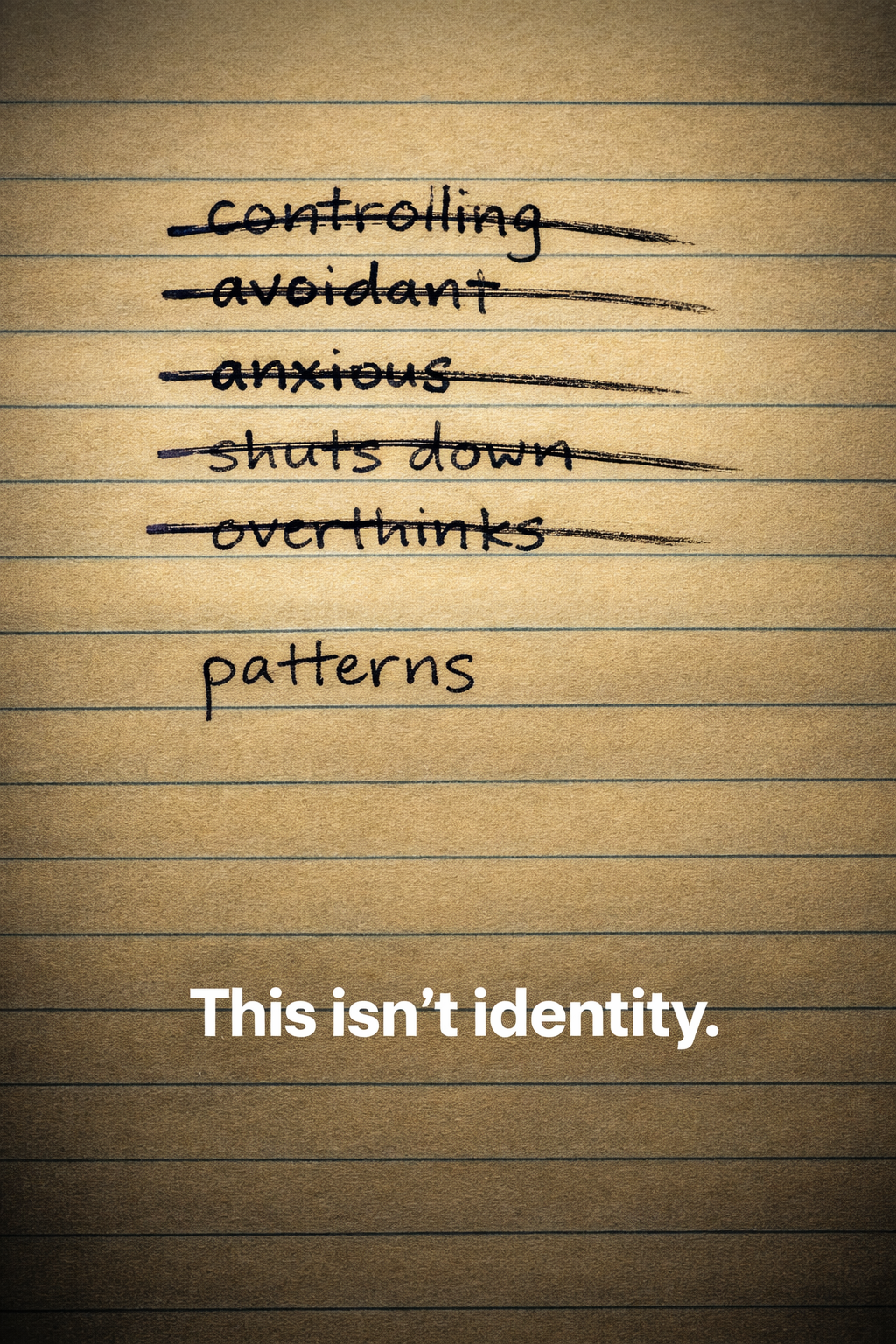
You’re Calling It Personality So You Don’t Have to Change
This explores why identity language keeps people stuck in therapy by turning adaptive patterns into fixed traits. Reframes the self as a system shaped by biology, perception, relationships, and regulation, explaining why insight alone rarely produces change and how flexibility actually develops.
Brian Granneman, LMHC, CAP, CCTP, Naples Integrated Recovery

Why Forgiveness Doesn’t Respond to Force
Why forcing forgiveness often backfires. This piece explains why resentment lingers when the nervous system stays activated, how retaliatory loops keep reactions alive, and why real peace comes through understanding and regulation. Brian Granneman, LMHC, CAP, CCTP, Naples Integrated Recovery.
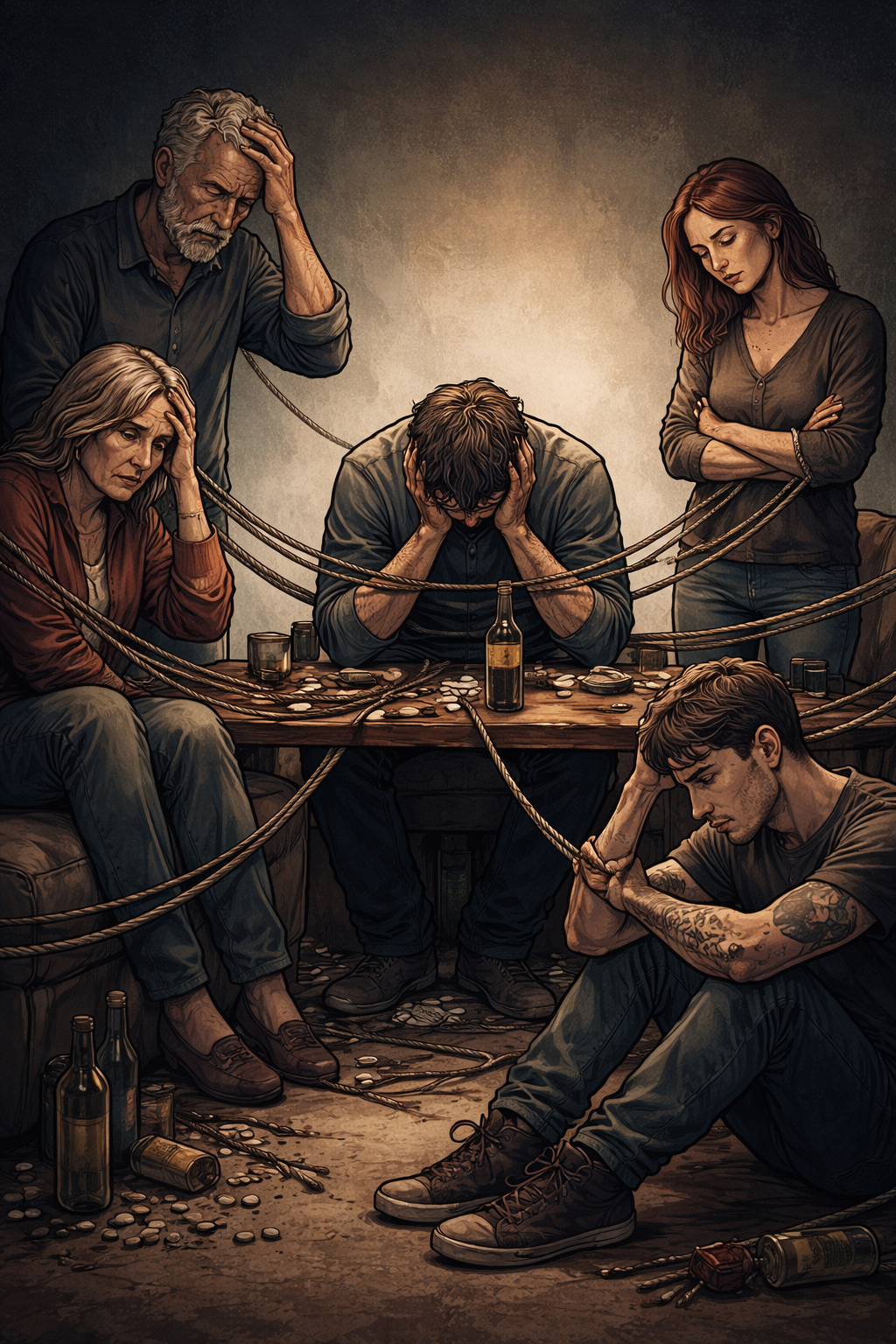
Stop Saving Them: Why Families Stay Stuck
Addiction rarely affects just one person—it reshapes the entire family system. This article explores how roles form, why sobriety doesn’t instantly repair relationships, how rescuing enables dysfunction, and what real recovery requires from partners and adult children. Brian Granneman, LMHC, CAP, CCTP, Naples Integrated Recovery
Starting Over When You Didn’t Choose To
Starting over after disruption exposes a pattern: the attempt to restore what’s gone instead of working with what’s here. This article breaks down why rebuilding feels heavier the second time, how resistance slows progress, and what actually moves things forward when structure collapses. Brian Granneman, LMHC, CAP, CCTP, Naples Integrated Recovery
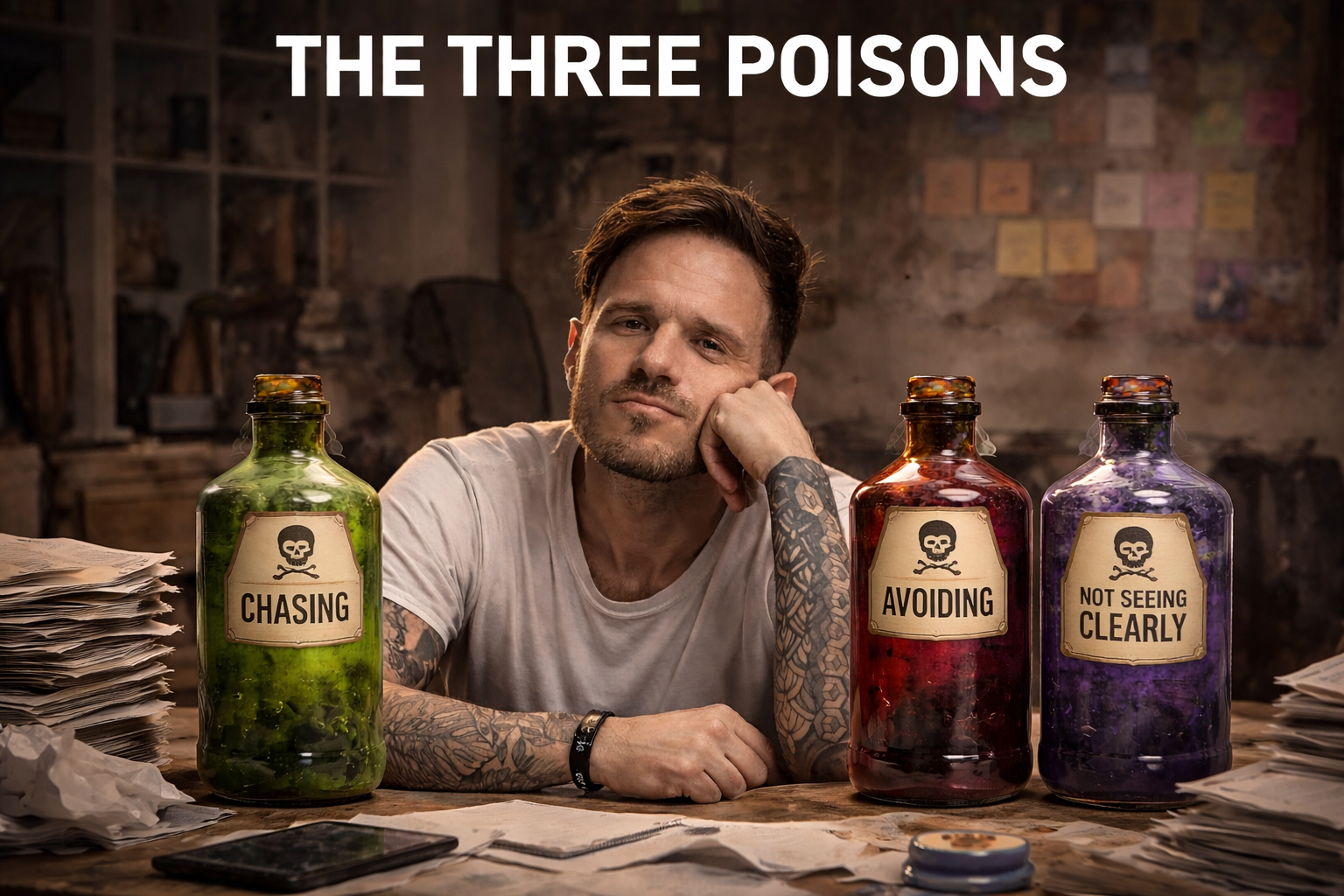
Still Not Enough: Why Insight Doesn’t Change Behavior
Insight alone doesn’t change behavior. Many people understand their patterns but still repeat them. This article breaks down the cycle of chasing relief, avoiding discomfort, and missing the pattern in real time—and how small, in-the-moment shifts create lasting change. Brian Granneman, LMHC, CAP, CCTP, Naples Integrated Recovery

Why You Can Feel Deeply Attached to Someone Who Isn’t Good for You
Oxytocin is often misunderstood as a “love hormone,” but it functions as a powerful attachment system shaped by safety, context, and nervous system regulation. This article explains how bonding, chemistry, and repair work biologically—and why intensity isn’t the same as security in relationships. Brian Granneman, LMHC, CAP, CCTP, Naples Integrated Recovery, LLC
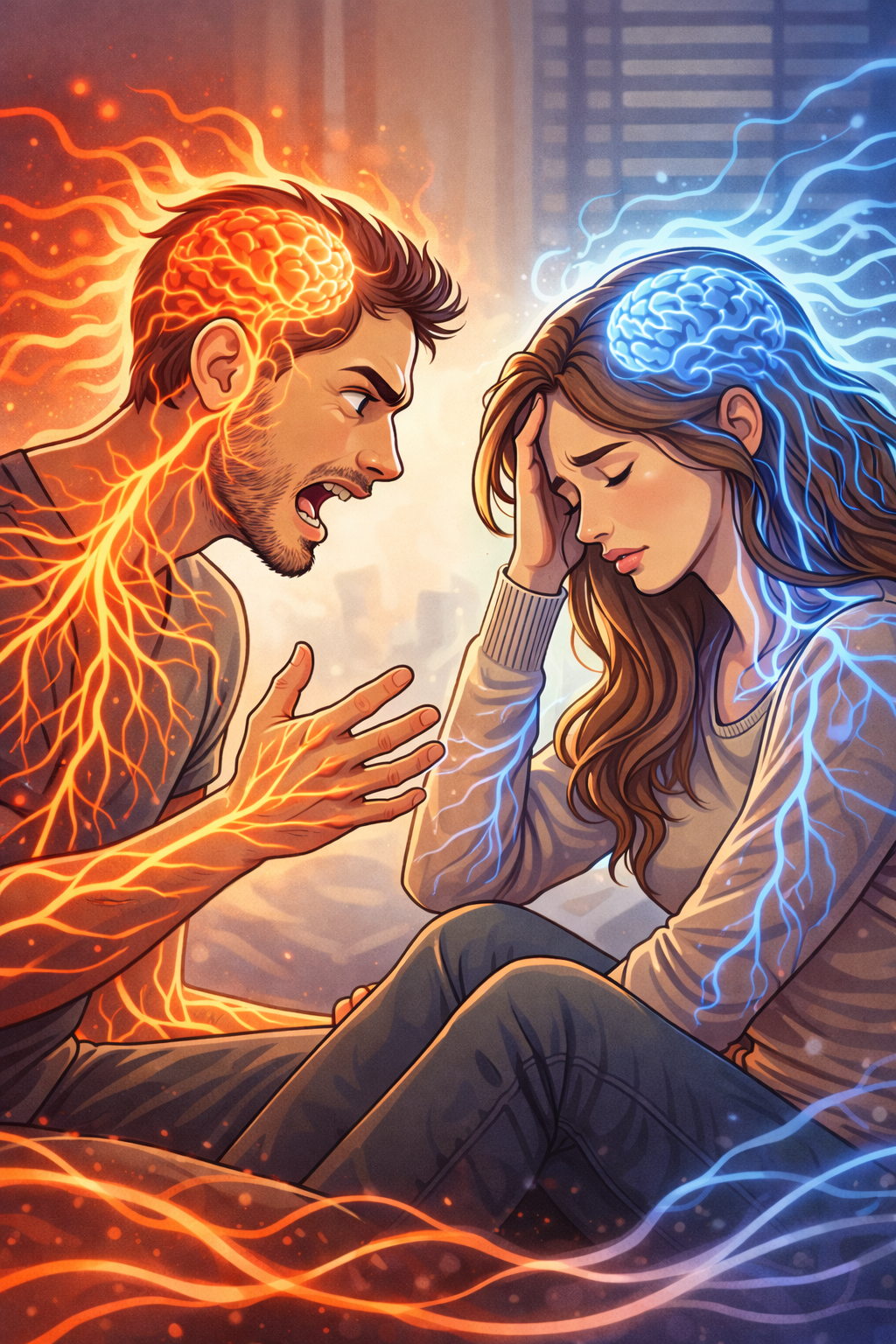
Why You React Before You Think: Polyvagal Theory and the Nervous System Under Stress
Why you react before you think has less to do with insight and more to do with nervous system state. This article breaks down Polyvagal Theory, explaining how physiology drives behavior under stress, why words stop working in conflict, and where responsibility actually lives once state shifts occur.
Brian Granneman, LMHC, CAP, CCTP, Naples Integrated Recovery

Complex Trauma Isn’t What You Think: Survival Roles, Shame, and the Nervous System
Complex trauma isn’t just about catastrophic events—it’s about chronic emotional misattunement that shapes the nervous system, identity, and adult behavior. This article explores survival roles, shame, and why discipline and insight alone don’t heal what was learned in relationship.
Brian Granneman, LMHC, CAP, CCTP, Naples Integrated Recovery
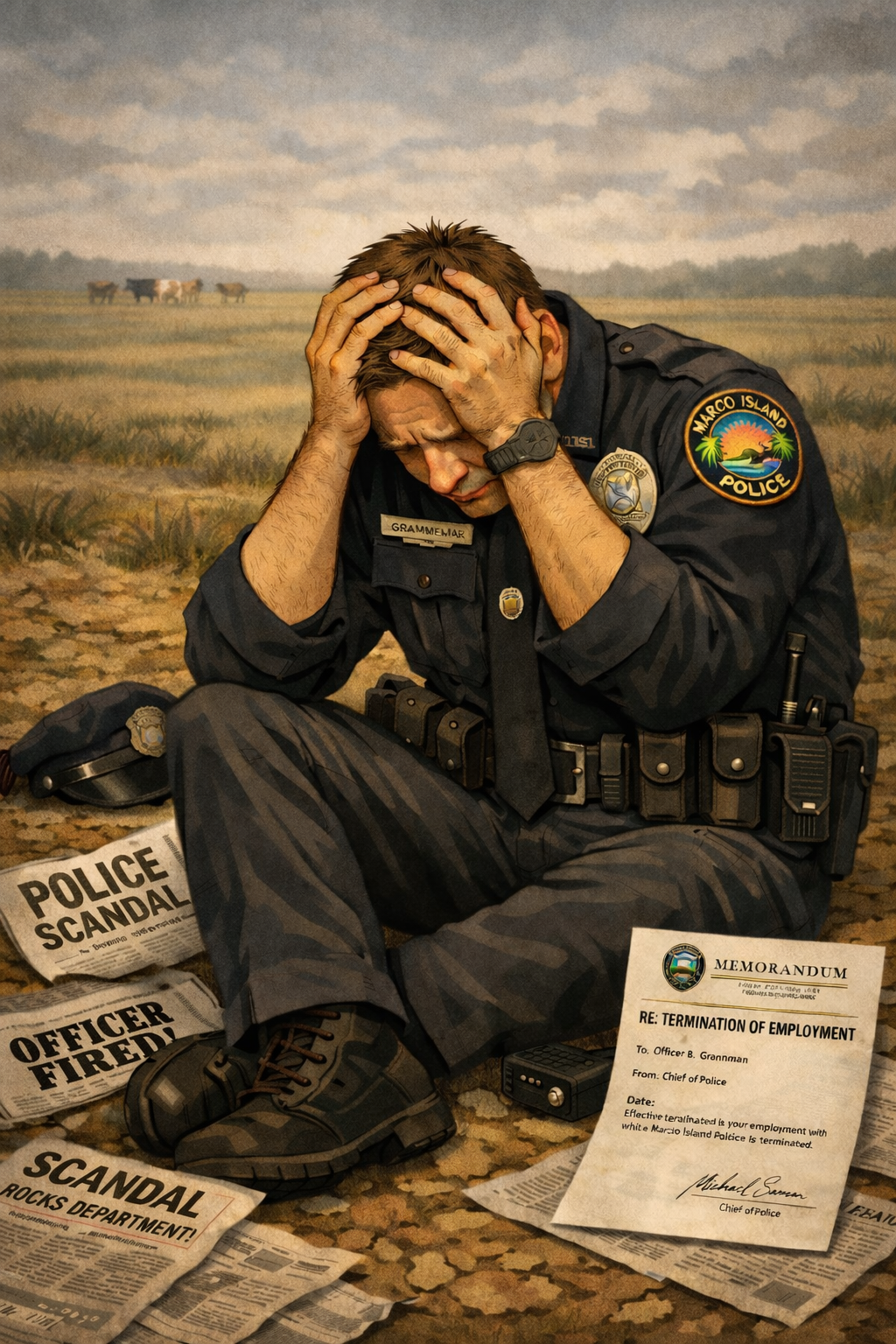
No Cows, No Problems: Adaptation After Loss
This article uses the parable of the lost cows to examine how identity, attachment, and public loss intensify suffering. It explores career collapse, humiliation, and why adaptation begins only when resistance to reality stops, reframing non-attachment as identity flexibility rather than detachment.
Brian Granneman, LMHC, CAP, CCTP, Naples Integrated Recovery,