

Inside the Work: Rebuilding Connection Without Blame
Inside Work: Rebuilding Connection Without Blame - explore how couples can rebuild emotional safety and intimacy by shifting from blame to curiosity, accountability, and honest repair. Practical tools for navigating conflict, deepening trust, and restoring connection with empathy. Brian Granneman, LMHC, Naples Integrated Recovery.

Embracing Fate: My Journey of Surrender and Renewal
From losing a law enforcement career to building a thriving private practice, this memoir explores how Stoicism, Amor Fati, and surrender to life’s plan can transform suffering into peace. Through addiction recovery, career loss, and starting over, discover how embracing fate opens unexpected doors and leads to growth, healing, and purpose. Brian Granneman, LMHC, CAP, CCTP, Naples Integrated Recovery

Self-Pity in Recovery: A Trauma-Informed Perspective
Self-pity in recovery is often labeled a defect, but it’s frequently a protective response rooted in trauma. Healing requires compassion, accountability, and understanding the pain beneath the pattern—not shame. Real change comes from integration, not suppression.
Brian Granneman, LMHC, CAP, CCTP, Naples Integrated Recovery

Breaking Free from the King Baby Syndrome in Recovery
“King Baby” describes the immature ego patterns that fuel addiction—craving comfort, resisting limits, and avoiding accountability. Recovery grows when you trade control for honesty, regulate emotions, and meet the wounded inner child with structure and humility. That’s where real freedom begins.
Brian Granneman, LMHC, CAP, CCTP
Naples Integrated Recovery

Understanding Addiction: What’s Actually Going On in the Brain, the Body, and the Need for Connection
Addiction isn’t about willpower—it’s the brain seeking relief from trauma, loneliness, and unmet attachment needs. Substances hijack reward systems, isolate people, and numb emotional pain. Recovery grows through connection, regulation, and addressing the deeper wounds driving the cycle.
Brian Granneman, LMHC, CAP, CCTP
Naples Integrated Recovery

Impulse Control Isn’t a Moral Issue — It’s Wiring
Impulsivity isn’t weakness—it’s human wiring shaped by stress, trauma, and a culture built for instant gratification. Real change comes from noticing urges, creating small pauses, and choosing actions that align with long-term stability. You can feel an impulse without letting it run your life.
Brian Granneman, LMHC, CAP, CCTP
Naples Integrated Recovery
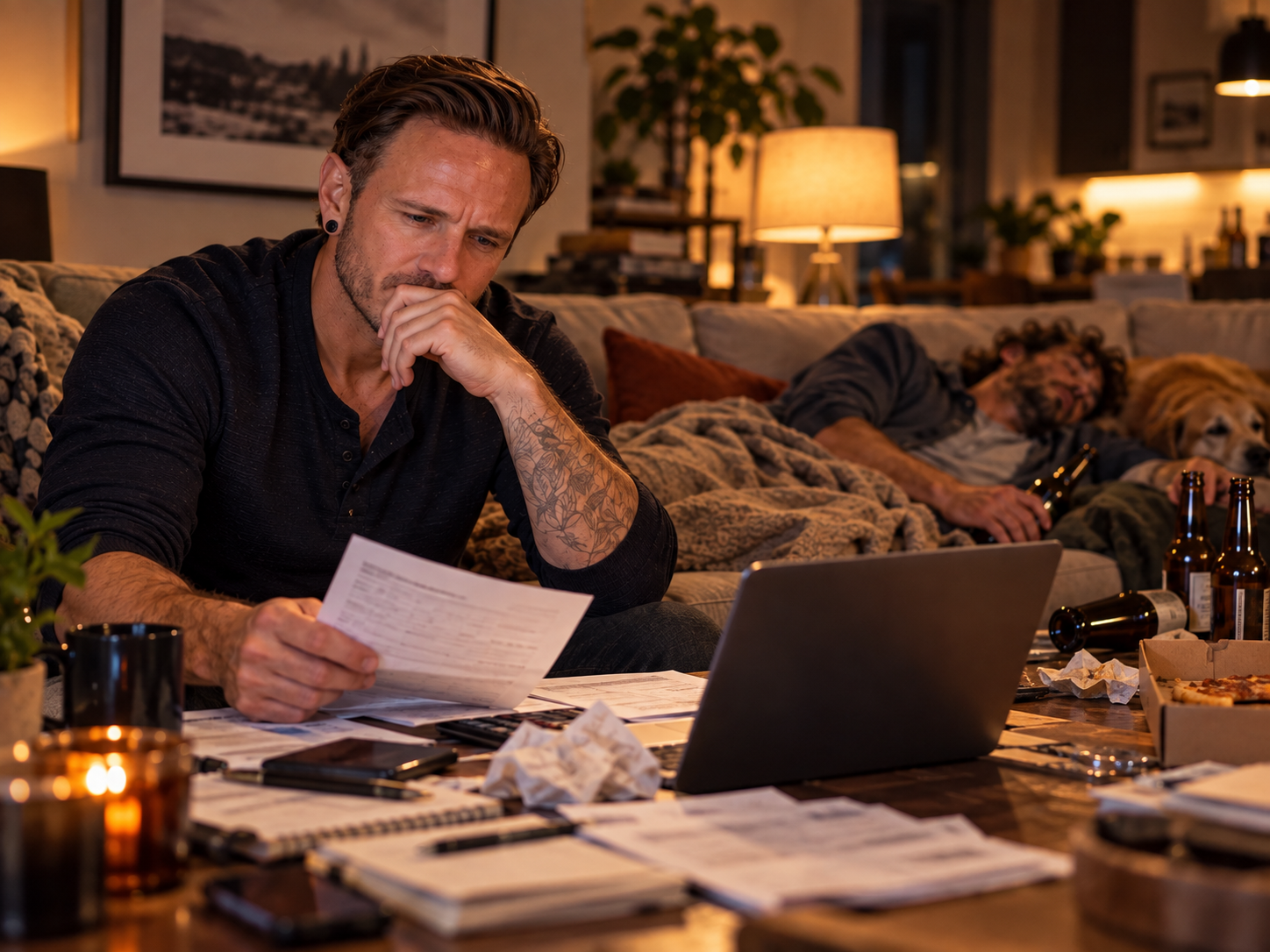
When Someone You Love Refuses Help: How to Stay Grounded Without Taking Their Life Over
Supporting someone who refuses help means staying grounded, setting clean boundaries, and letting their choices teach them. You can offer calm communication, small options, and emotional steadiness without rescuing or absorbing their consequences. Change starts when they’re ready—not when you’re exhausted.
Brian Granneman, LMHC, CAP, CCTP
Naples Integrated Recovery
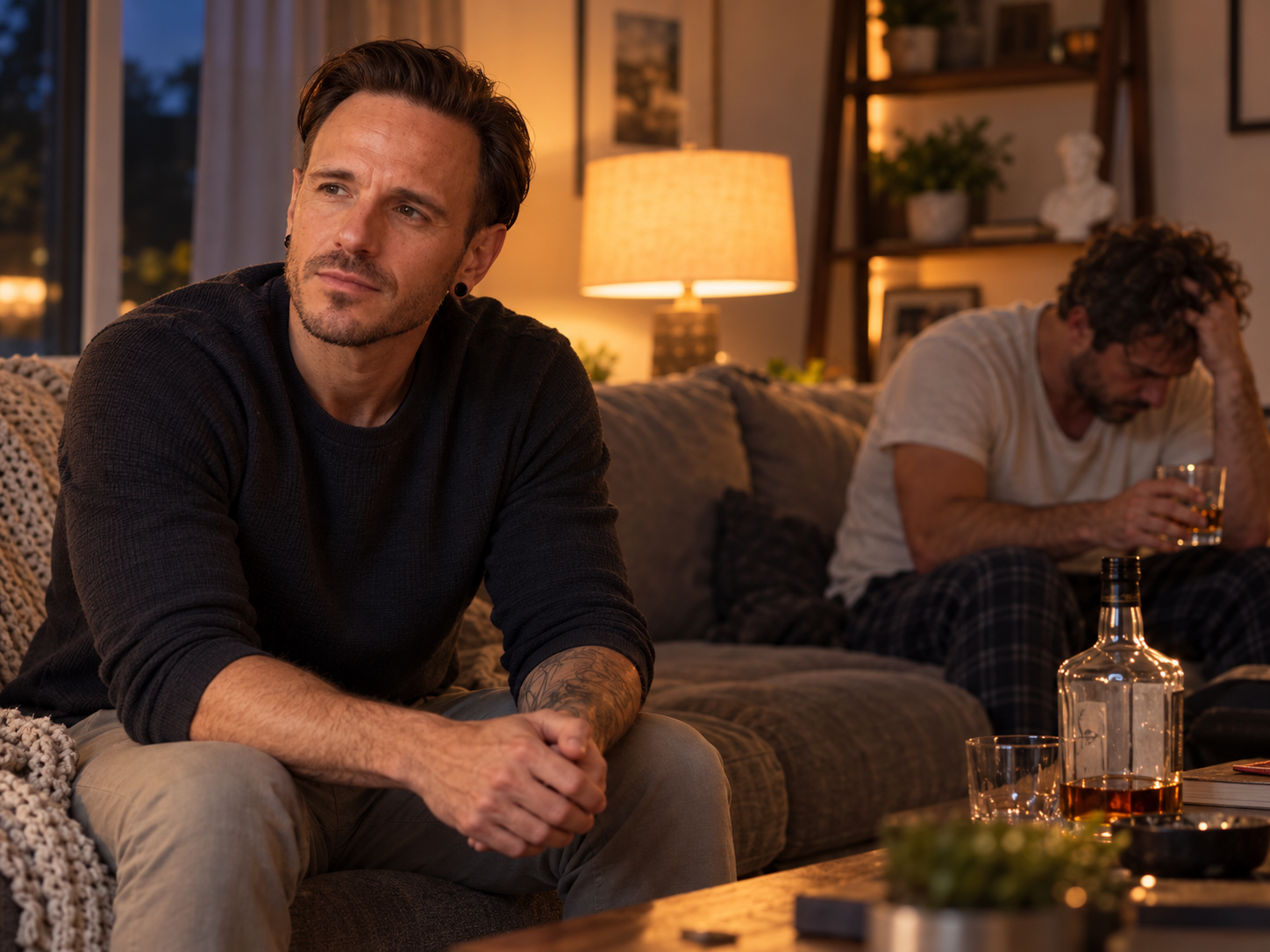
Detachment with Love: The Key to Healthier Relationships
Detachment with love helps you care deeply without absorbing someone else’s chaos. Learn how boundaries, accountability, and emotional separation create healthier relationships and support real change in families affected by addiction or conflict. Written by Brian Granneman, MA, LMHC, CAP, CCTP — Naples Integrated Recovery.

Addiction: How It Rewires the Brain and Body — and What Recovery Really Takes
Addiction rewires the brain’s reward pathways and weakens decision-making, making willpower alone ineffective. Recovery requires time, structure, and evidence-based support as the brain heals. Understanding the neurobiology behind addiction helps reduce stigma and guide treatment. — Brian Granneman, MA, LMHC, CAP • Naples Integrated Recovery
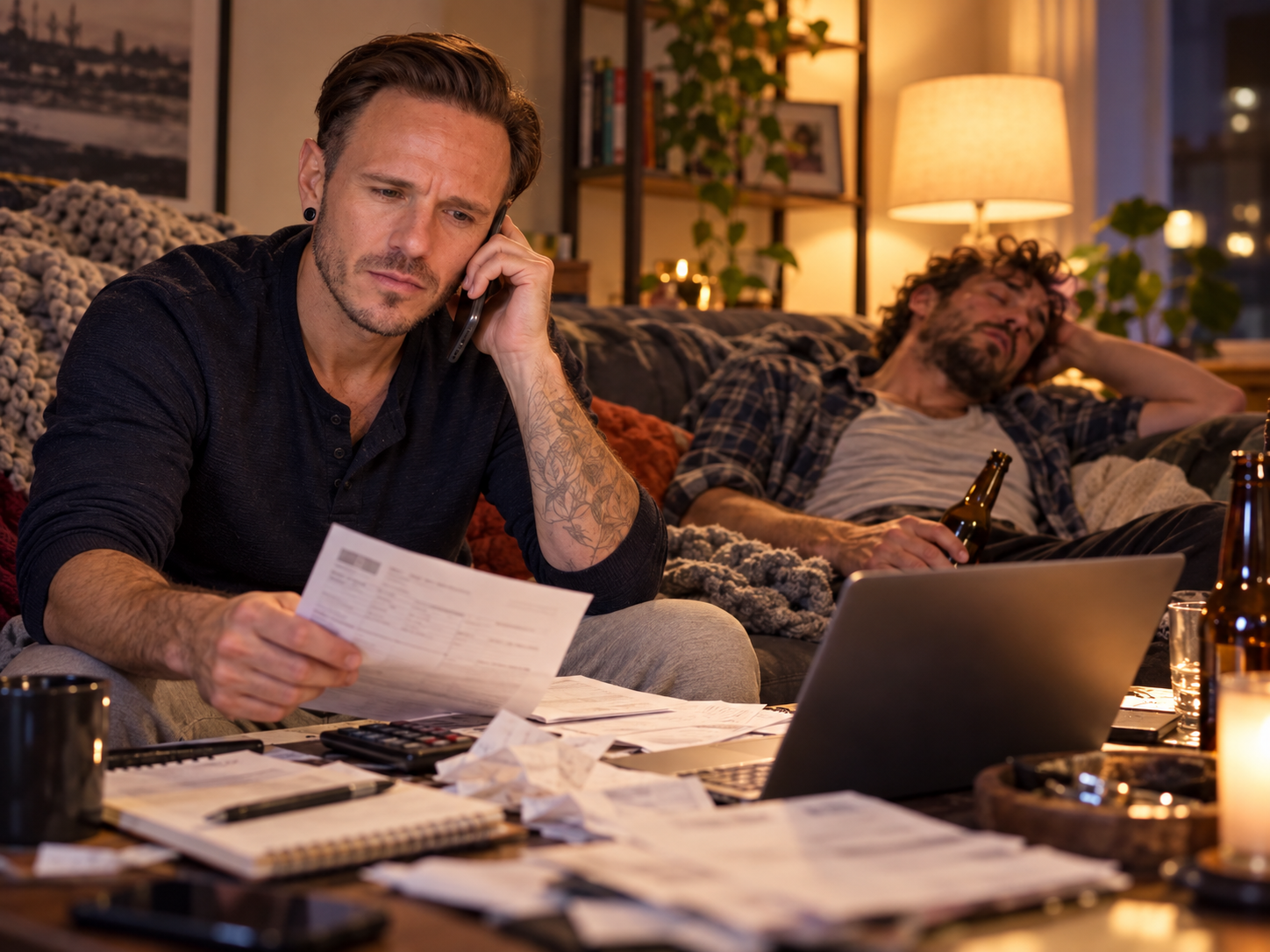
How to support a loved one with addiction
Recognize early signs of addiction, approach loved ones without confrontation, and understand what effective treatment truly involves. Learn how evidence-based care, boundaries, and family support create real conditions for recovery. — Brian Granneman, MA, LMHC, CAP, CCTP • Naples Integrated Recovery