

I Used to Think Sobriety Looked Unbearable. Then I Became the Bird Feeder Guy
Why does sobriety feel so boring when alcohol or drugs are removed?
Addiction trains the brain to prioritize intensity, escape, threat, and immediate relief. Ordinary experiences such as reading, walking, sitting quietly, or watching birds may barely register when the reward system has adapted to stronger stimulation.
In this personal reflection, Naples addiction therapist Brian Granneman explores addiction, dopamine, neuroplasticity, trauma, and the gradual return of ordinary pleasure. Memories of his mother working on jigsaw puzzles, an older man absorbed in a massive John Adams biography, and six bird feeders outside his home reveal how recovery changes what the brain considers worth noticing.
The birds became evidence of a deeper change: the ability to experience interest, beauty, and contentment without needing intensity or escape.

Watering Dead Soil Is Not Patience: When Waiting Is a Waste of Time
Patience is about timing, capacity, and nervous system regulation—not passive waiting. Drawing from Epictetus and modern clinical psychology, this article explores how psychological development unfolds through sequence, calibrated stress, and honest self-assessment. Learn how to distinguish growth from avoidance and build true emotional resilience. Brian Granneman, LMHC, CAP, CCTP, Naples Integrated Recovery.

What If My Problem Isn't Other People? How I Exhaust Myself
Why do other people feel so exhausting sometimes? This episode uses Buddhist psychology to break down the aversive temperament: the part of the mind that sees flaws quickly, gets irritated by disorder, and can confuse clear perception with contempt. Using examples from beach crowds, Walmart, airports, AA, and public life, Brian explores why some people experience inconsiderate behavior as almost physically intolerable. Brian Granneman, LMHC, CAP, CCTP Naples Integrated Recovery

Why You Keep Doing the Thing You Already Decided to Stop Doing
A lot of people know the cost before they repeat the behavior. They know the pattern, the aftermath, and what happened last time. This article breaks down the neuroscience of craving, dopamine, salience, and why insight alone often fails to stop the loop. Brian Granneman, LMHC, CAP, CCTP Naples Integrated Recovery

How Your Phone Has (negatively) Rewired Your Nervous System
Phones are no longer just tools. They have become nervous system regulators, dopamine dispensers, and escape hatches from boredom, silence, discomfort, and real-life connection. This article explores how smartphones changed childhood, weakened frustration tolerance, and trained both kids and adults to reach for stimulation before they even know what they are feeling.
Can You Be Honest With a Therapist Who Judges You?
Can you be honest with a therapist who judges you? Naples therapist Brian Granneman, LMHC, CAP, CCTP, from Naples Integrated Recovery explores political bias, therapy, curiosity, judgment, and why clients need room to speak honestly.
The Problem Starts With What You Work Around
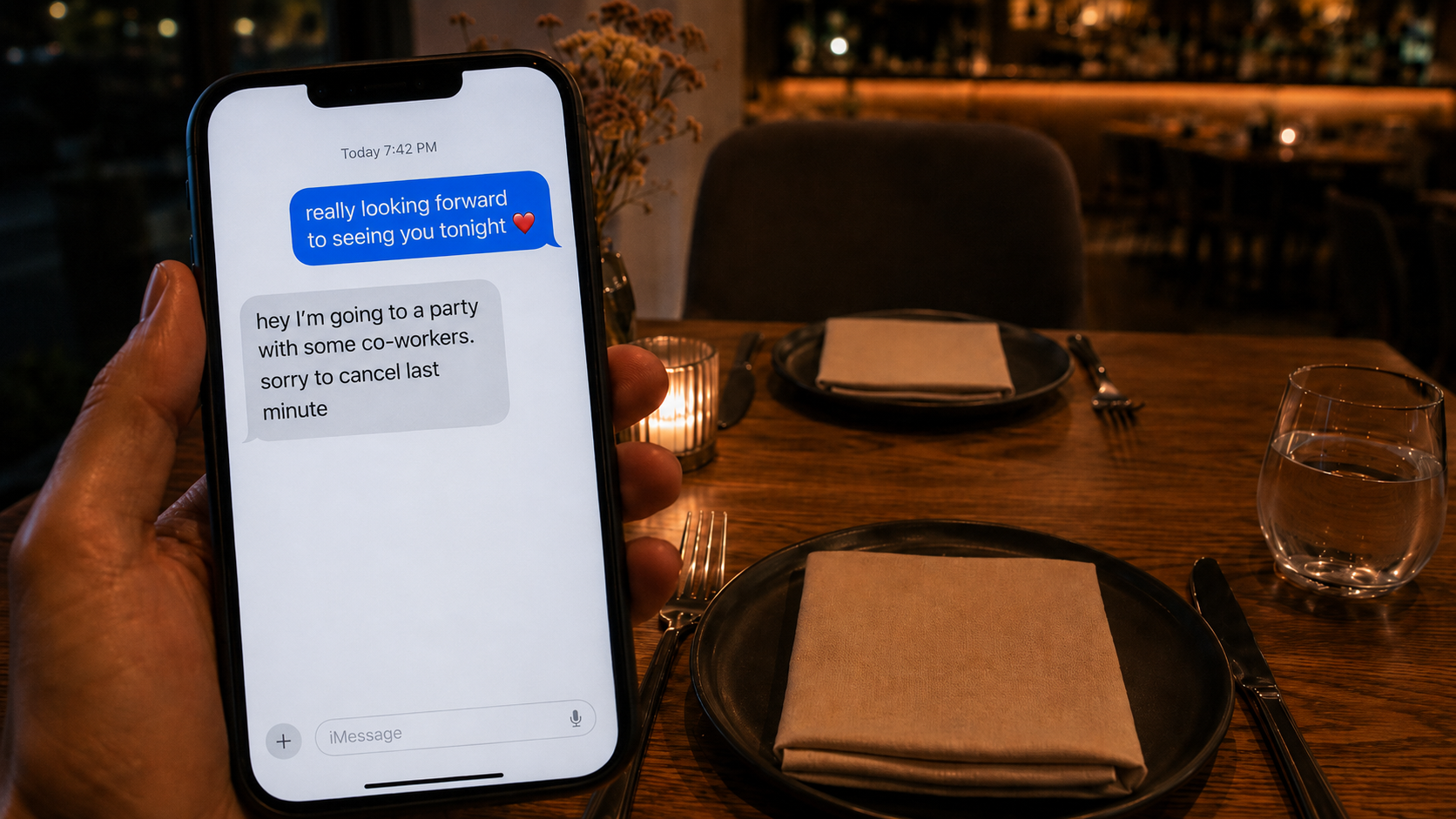
Dating patterns usually begin earlier than the breakup. They begin in the small things we explain away: the canceled plan, the vague answer, the substance pattern, the mismatch we feel and then shame ourselves for noticing. This article looks at the quiet moment where chemistry starts outranking fit, where compassion turns into self-abandonment, and where being chosen starts to matter more than choosing well. The question is simple and uncomfortable: what are you already working around? Naples therapist Brian Granneman LMHC CAP CCTP Naples Integrated Recovery
My Dad Was Complicated: Sometimes Hard to Love and Harder to Lose
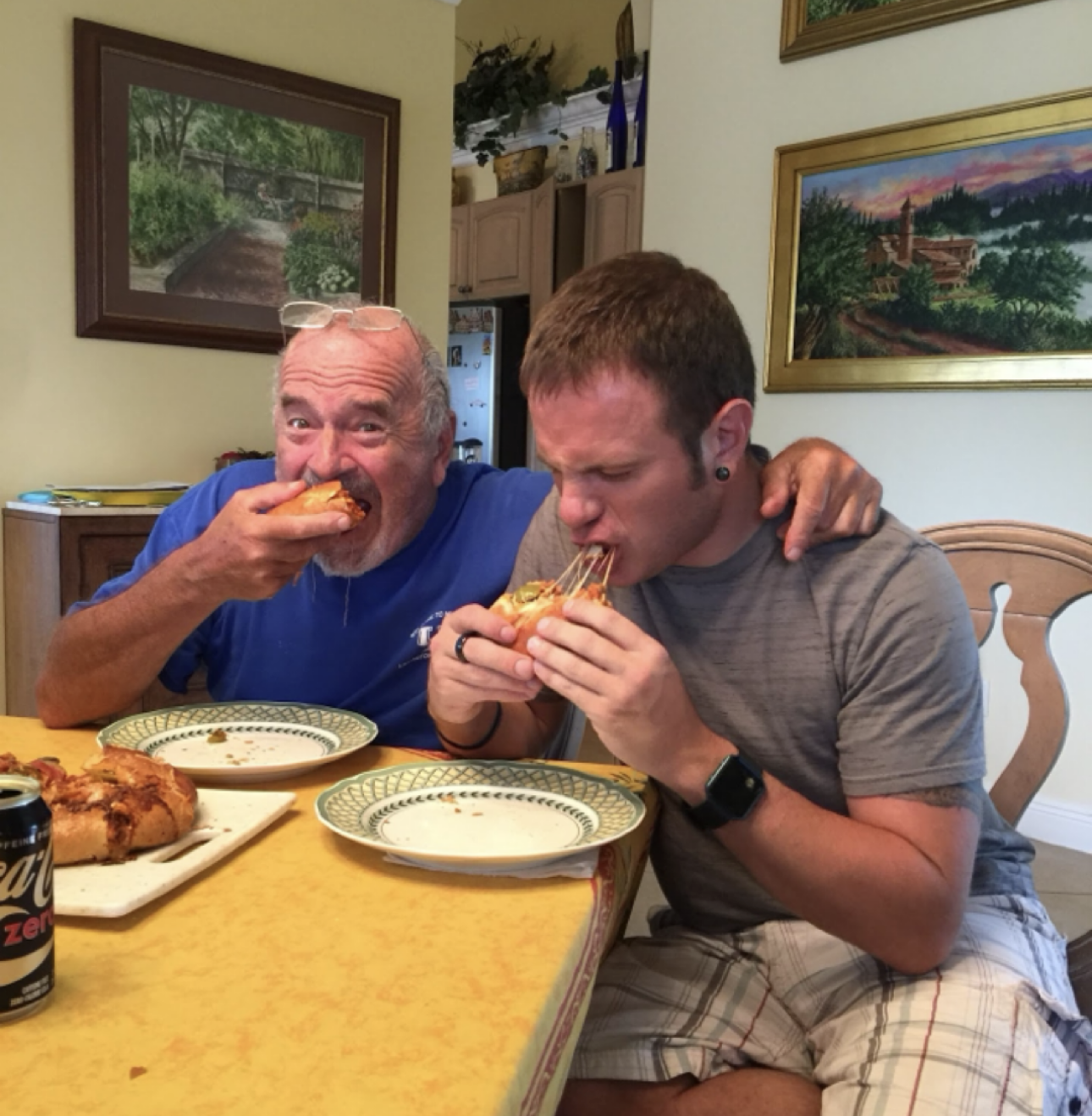
Father wounds can include grief, anger, gratitude, resentment, and love. Naples therapist Brian Granneman LMHC CAP reflects on emotionally distant dads, complicated grief, repair, and Father’s Day when the story is not simple.

Why Smart People Fight the Simple Things That Help Them
Some people understand trauma, anxiety, attachment, resentment, and nervous system regulation in theory, yet still resist the simple tools that would help them calm down in real life. This article looks at why breathing, pausing, walking away, naming the emotion, and letting someone be wrong can feel insulting when the body is already activated.

When a Shitty Email Opens an Old Courtroom
When a simple email feels like an interrogation, something older may be getting activated. Learn how schemas shape defensiveness, authority conflict, and emotional reactivity. Brian Granneman LMHC, CAP, CCTP Naples Integrated Recovery