

Understanding, Accountability, and Repair in Relationships
Trauma may explain reactions, but it doesn’t excuse harming others. Real relationships depend on accountability, repair, and owning impact—not hiding behind stress, intent, or past wounds. Hurt is inevitable; avoiding responsibility is the real problem. Repair and growth build trust.
Brian Granneman, LMHC, CAP, CCTP
Naples Integrated Recovery

The Real Red Flag in Relationships: It’s Not What You Think
Reactivity and imperfection aren’t real red flags—denial, dismissal, and refusal to grow are. Healthy relationships thrive when partners take responsibility, repair consistently, and show genuine willingness to evolve. The red flag isn’t the mess; it’s avoiding accountability.
Brian Granneman, LMHC, CAP, CCTP
Naples Integrated Recovery

How invalidation erodes connection and how to break the cycle
Invalidation quickly erodes trust by minimizing or dismissing a partner’s emotional reality. Validation strengthens connection by separating feelings from facts, staying regulated during conflict, and taking accountability for impact. It turns defensiveness into understanding and builds true intimacy.
Brian Granneman, LMHC, CAP, CCTP
Naples Integrated Recovery

The Power of Safety: The Foundation of Meaningful Relationships
Relational safety is built through consistent tone, accountability, and respect—especially during conflict. When partners stay regulated, honor boundaries, and repair cleanly, trust and intimacy strengthen. Safety turns disagreement into connection and makes love something you can actually feel, not just perform.
Brian Granneman, LMHC, CAP, CCTP
Naples Integrated Recovery

Strengthen your Relationship: Intentional and Consistent Check-ins
Discover the power of intentional and consistent check-ins to strengthen your relationship. Learn how daily brief chats and weekly deep conversations foster connection, trust, and intimacy. Make check-ins fun, engaging, and meaningful to nurture a lasting bond with your partner. Brian Granneman, LMHC, CAP, CCTP
Naples Integrated Recovery

When Someone You Love Refuses Help: How to Stay Grounded Without Taking Their Life Over
Supporting someone who refuses help means staying grounded, setting clean boundaries, and letting their choices teach them. You can offer calm communication, small options, and emotional steadiness without rescuing or absorbing their consequences. Change starts when they’re ready—not when you’re exhausted.
Brian Granneman, LMHC, CAP, CCTP
Naples Integrated Recovery

Control Freak? Why We Chase External Security and What It Really Costs Us
In a world where we often seek control and validation from others, many struggle with anxiety and fear stemming from past experiences of powerlessness. This article explores how to cultivate internal security by shifting focus from external reassurance to self-love and self-care. By recognizing old patterns and learning to trust ourselves, we can navigate relationships and life’s uncertainties with resilience and confidence. Brian Granneman LMHC CAP CCTP Naples Integrated Recovery

Projection: When the World Starts Reflecting Your Wounds Back at You
We often project our fears, hopes, and insecurities onto others, creating fantasies that eventually collapse. This piece explores how projection forms, why it breaks down, and how reclaiming what we project leads to clarity, boundaries, and real growth. Includes a real example of projection in a toxic workplace.
Brian Granneman, LMHC, CAP — Naples Integrated Recovery, LLC

Guilt vs. Shame: Unlocking Growth by Ditching Self-Judgment
Discover the key differences between guilt and shame and how they impact personal growth, relationships, and behavior. Guilt, a helpful emotion, aligns actions with values, promoting change and accountability. In contrast, shame attacks self-worth, leading to disconnection and destructive patterns. Learn why ditching shame and embracing guilt can unlock healthier relationships and emotional resilience. Brian Granneman, MA, LMHC, CAP, CCTP — Naples Integrated Recovery.

Words are Hollow: Transforming Apologies into True Healing
Discover why "I'm sorry" isn't enough and how genuine apologies require more than words. Learn to move beyond excuses, embrace real change, and prioritize healing. Explore how true accountability transforms relationships and fosters deeper connections by addressing emotional wounds with lasting action. Brian Granneman, MA, LMHC, CAP, CCTP — Naples Integrated Recovery.

How to really Listen and Connect in Conversations
Most conversations are filtered through our own biases and ego, preventing genuine connection. By shifting focus from self-centered listening to truly hearing others, we can deepen our relationships. Learn how to quiet your ego and foster meaningful, authentic communication with those around you. Brian Granneman, MA, LMHC, CAP, CCTP — Naples Integrated Recovery.
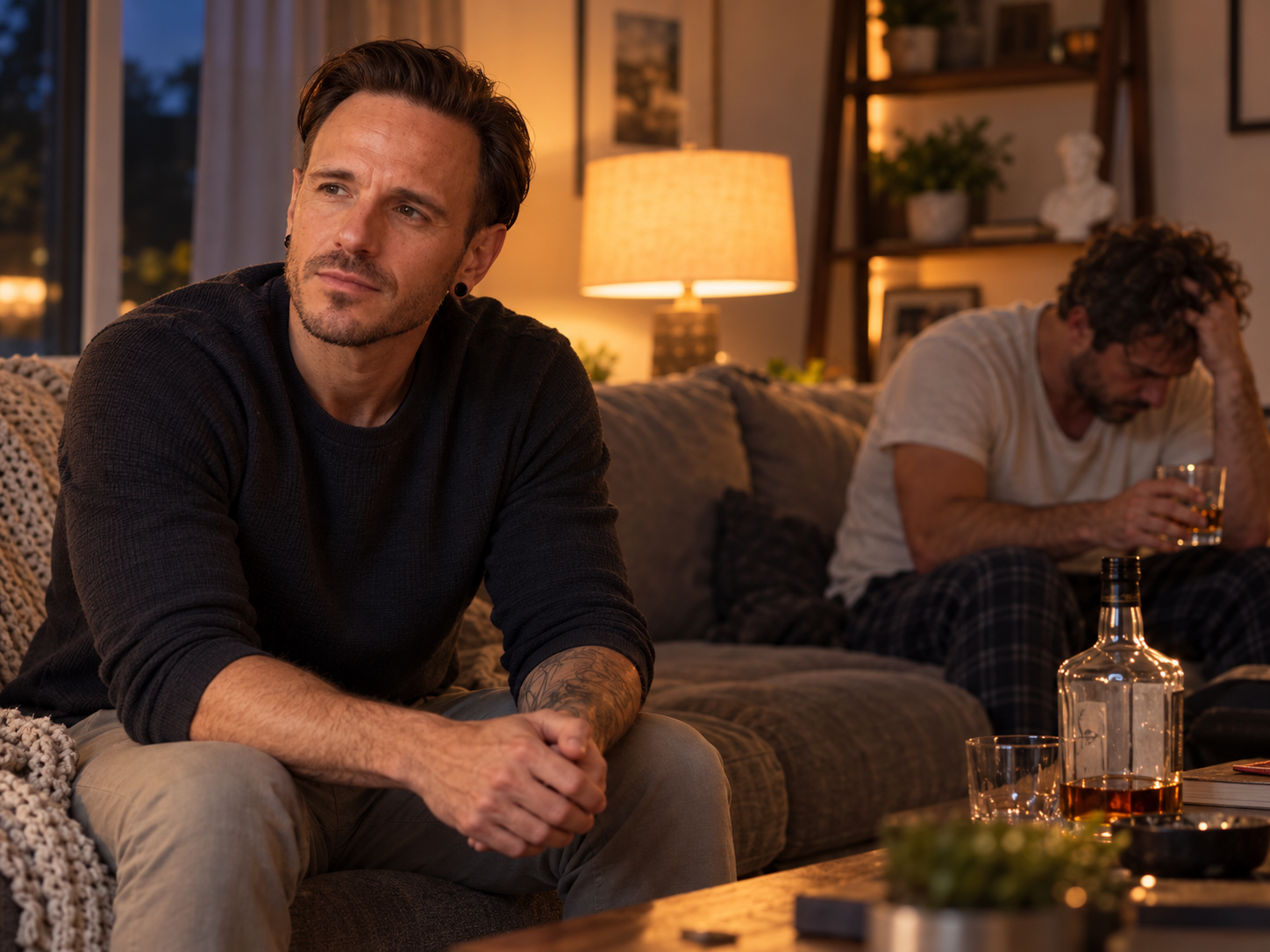
Detachment with Love: The Key to Healthier Relationships
Detachment with love helps you care deeply without absorbing someone else’s chaos. Learn how boundaries, accountability, and emotional separation create healthier relationships and support real change in families affected by addiction or conflict. Written by Brian Granneman, MA, LMHC, CAP, CCTP — Naples Integrated Recovery.

Practicing Loving Kindness - an antidote to resentments
Loving-kindness meditation softens anger, reduces self-criticism, and strengthens emotional connection. Explore how this practice builds compassion, steadiness, and healthier relationships through simple, intentional phrases. Written by Brian Granneman, MA, LMHC, CAP, CCTP — Naples Integrated Recovery.

Empathy: Transform Your Relationships and Well-Being Today
Empathy strengthens relationships and improves well-being. It involves truly understanding and sharing others' emotions. Develop empathy by practicing mindfulness, active listening, and being curious about others' experiences. Challenge assumptions, ask questions, and step out of your comfort zone. Brian Granneman LMHC CAP CCTP Naples Integrated Recovery LLC
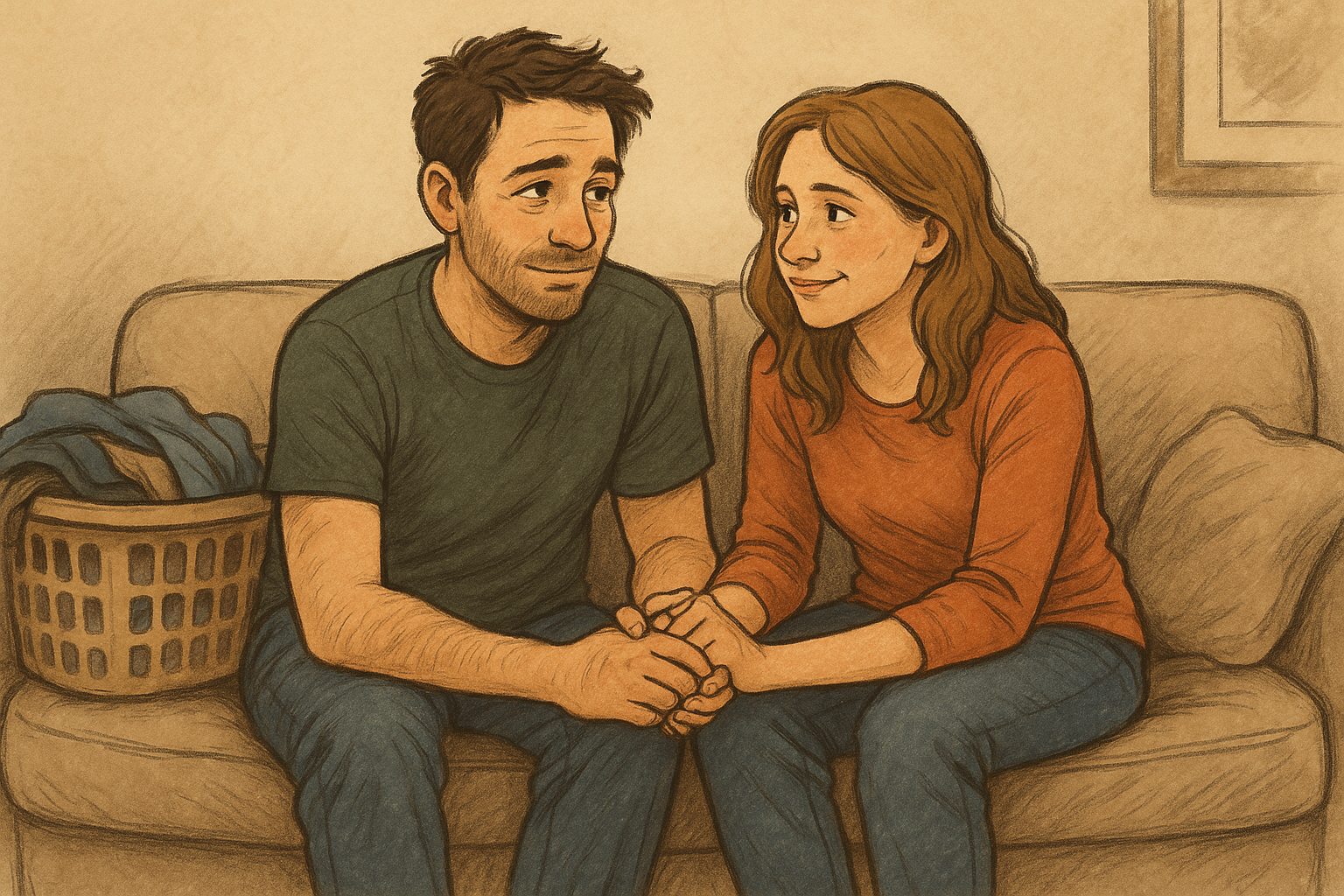
Rebuilding Desire: Why Most Couples Stop Having Sex — and How to Get It Back
A grounded look at why long-term couples lose sexual desire and how spontaneous vs. responsive desire shapes intimacy. Covers planned connection, relational sexuality, and rebuilding desire with intention—not shame. A real guide for couples feeling disconnected and unseen.
Brian Granneman, LMHC, CAP, CCTP, Naples Integrated Recovery

How to support a loved one with addiction
Recognize early signs of addiction, approach loved ones without confrontation, and understand what effective treatment truly involves. Learn how evidence-based care, boundaries, and family support create real conditions for recovery. — Brian Granneman, MA, LMHC, CAP, CCTP • Naples Integrated Recovery