


Breaking the Cycle: Recognizing Codependency and Enabling in Relationships
Codependency and enabling keep addiction alive by shielding loved ones from consequences. Healthy support means boundaries, accountability, and detaching with love to empower real change.
Brian Granneman, LMHC, CAP, CCTP, Naples Integrated Recovery

Healing from Childhood Trauma: A Guide for Adult Children of ADDICTION AND DYSFUNCTION
Adult Children of Alcoholics often carry fear, hypervigilance, and people-pleasing into adulthood. These patterns come from growing up in chaotic, emotionally unpredictable homes. Healing means reparenting the inner child, breaking survival patterns, and building real emotional safety. Recovery is possible.
Brian Granneman, LMHC, CAP, CCTP, Naples Integrated Recovery

Free Won’t: Using Your Prefrontal Cortex Veto
Explore how determinism, neuroscience, and Stoic philosophy shape the debate on free will, highlighting the power of “free won’t” — the ability to pause, veto impulses, and choose intentional action. Brian Granneman, LMHC, CAP, CCTP, Naples Integrated Recovery
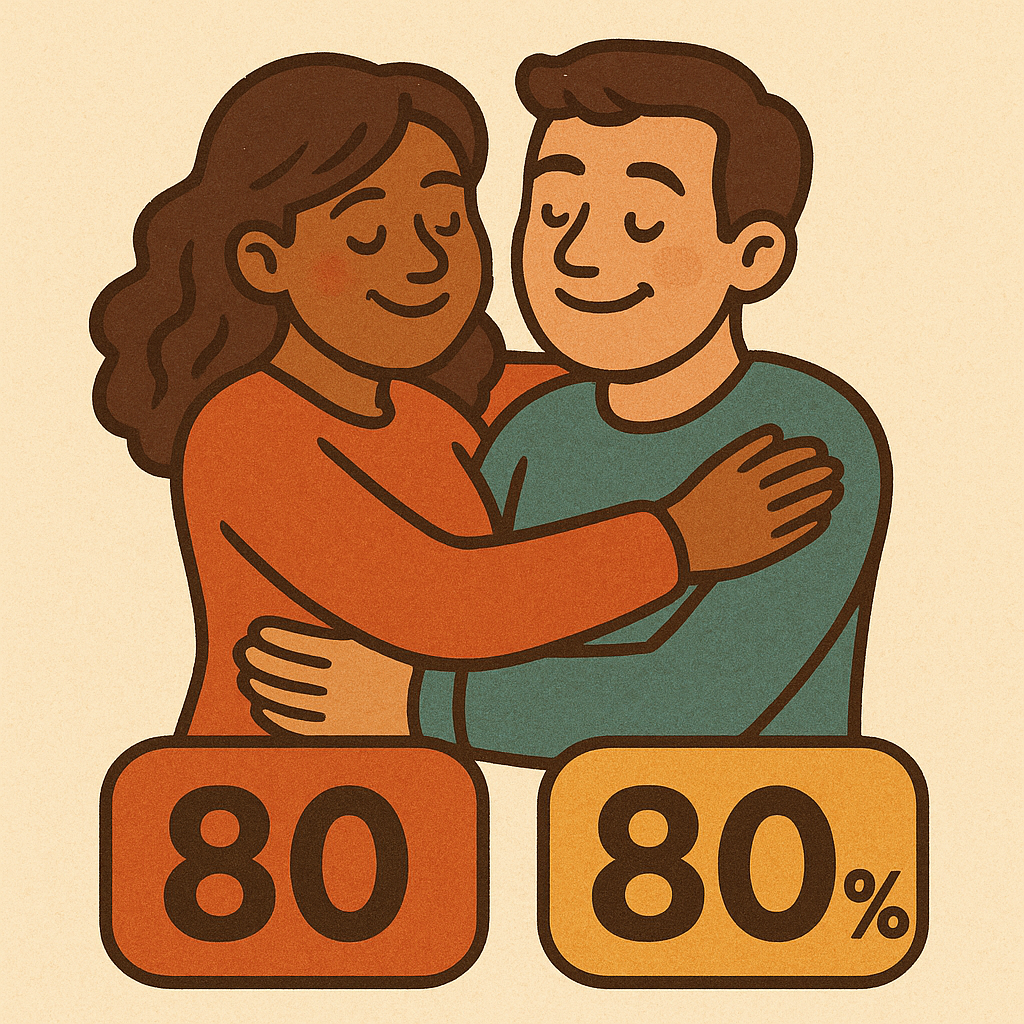
From Scorekeeping to Radical Generosity: Rethinking Modern Relationships
Modern relationships often break down not from imperfection but from constant scorekeeping. Explore how shifting from fairness to radical generosity creates connection, reduces resentment, and strengthens partnership through shared intention and accountability. Written by Brian Granneman, LMHC, CAP, CCTP — Naples Integrated Recovery.

Allowing Your Emotions: Why Feeling is the First Step Toward Healing
Emotions don’t disappear when ignored—they resurface through anxiety, burnout, and disconnection. Healing begins by naming what you feel, creating space for vulnerability, and getting curious instead of suppressing. Emotional honesty restores clarity and regulation.
Brian Granneman, LMHC, CAP, CCTP
Naples Integrated Recovery

The Stoics on Forgiving and releasing a grudge
Epictetus teaches that people who wrong us act from confusion, not clarity. Wrongdoing harms the wrongdoer first by destroying judgment and virtue, making anger unnecessary. Letting go of grudges restores peace while maintaining boundaries.
Brian Granneman, LMHC, CAP, CCTP
Naples Integrated Recovery

Breaking Free from the King Baby Syndrome in Recovery
“King Baby” describes the immature ego patterns that fuel addiction—craving comfort, resisting limits, and avoiding accountability. Recovery grows when you trade control for honesty, regulate emotions, and meet the wounded inner child with structure and humility. That’s where real freedom begins.
Brian Granneman, LMHC, CAP, CCTP
Naples Integrated Recovery

When “Good Enough” Sex Really Is Enough
Sex doesn’t have to be perfect to sustain intimacy. Many couples thrive with “good enough” sex—pleasurable, connected, and pressure-free. Real satisfaction comes from honesty, aligned expectations, and focusing on the relationship you actually have, not an idealized standard.
Brian Granneman, LMHC, CAP, CCTP
Naples Integrated Recovery

Handling Your Partner’s Bad Mood Without Losing Yourself
When your partner is in a bad mood, it’s easy to take it personally. But true emotional resilience comes from differentiation—the ability to stay grounded without absorbing their emotions. Learn how to support your partner without losing yourself, set healthy boundaries, and navigate emotional space with trust and respect. Strengthen your relationship by balancing empathy with self-care. Brian Granneman, MA, LMHC, CAP, CCTP — Naples Integrated Recovery.

Embracing Uncertainty: How to Thrive in an Unpredictable World
Uncertainty triggers fear and overthinking, but real clarity comes from taking the next honest step—not from waiting for guarantees. Explore how perspective, values, and the “maybe so, maybe not” mindset create resilience, direction, and emotional steadiness during major life decisions. Written by Brian Granneman, MA, LMHC, CAP, CCTP — Naples Integrated Recovery.