
Relationship Articles
Relationships bring people into contact with the parts of themselves they can usually manage alone. Conflict, distance, jealousy, attraction, resentment, sexual silence, betrayal, and the need to feel chosen all expose the patterns people carry into connection. Many relationship problems are framed as communication issues, but the deeper problem is often the cycle underneath: attachment insecurity, avoidance, emotional reactivity, scorekeeping, control, fear of rejection, or the inability to repair after conflict.
These articles explore attachment patterns, couples conflict, emotional responsibility, intimacy, differentiation, partner selection, resentment, attraction, breakups, sexual connection, and the ways people confuse chemistry with stability. Some pieces focus on long-term partnership and repair. Others look at dating patterns, validation-seeking, anxious pursuit, avoidance, and why familiar relationship dynamics can feel powerful even when they are unhealthy.
The goal is to make the pattern visible. Relationship work is not about proving who is right. It is about understanding the cycle, taking responsibility for each person’s part, building repair, and learning how to stay connected without losing clarity, boundaries, or self-respect.
Brian Granneman, LMHC, CAP, CCTP, Naples Integrated Recovery

Arguments can keep going long after someone apologizes. Frustration turns into a lecture, and feeling wronged starts justifying how you treat your partner. Explore how these patterns develop, why they persist, and what taking responsibility involves — Brian Granneman LMHC CAP CCTP

Porn use exists on a wide spectrum. This article looks at when pornography becomes tied to stress relief, secrecy, sexual arousal, desire narrowing, and relationship problems—and how to assess whether it is actually interfering with your life.

Therapist, psychologist, psychiatrist, psychotherapist—the titles get confusing fast. This guide explains what each professional actually does, when testing or medication may matter, and why specialty and fit often matter as much as credentials.

A person can deeply love their spouse and still lose sexual desire. For some couples, emotional safety helps intimacy return. For others, love and erotic connection remain painfully separate, forcing difficult conversations about attraction, honesty, secrecy, and the future of the relationship

Knowing your relationship pattern is useful, though insight alone rarely changes what happens once both nervous systems are activated. This article looks at the pursue-withdraw “Protest Polka,” why couples keep repeating familiar cycles even when they understand them, and what actually helps those patterns begin to change.

Some people leave a relationship emotionally long before they physically walk away. Resentment builds, alternatives start looking better, emotional investment shifts, and the relationship can become psychologically over before anyone says it out loud.

Some couples know every communication skill in the book and still end up having the same fight. They can identify criticism, defensiveness, contempt, and stonewalling, yet the argument keeps returning because the deeper issue often involves emotional security: Can I reach you when I need you? Will you stay present when this gets hard?
Drawing from John Bowlby’s attachment theory, Ed Tronick’s Still Face experiment, and Sue Johnson’s ARE framework, this article explores why small moments of disconnection can feel so emotionally charged and how accessibility, responsiveness, engagement, and repair help couples find their way back to each other.

When infidelity or another major betrayal enters a relationship, rebuilding trust involves more than deciding whether to stay together. A changed explanation, missing detail, half-truth, or omission can bring the original betrayal right back into the room. In my work providing couples and marriage counseling in Naples, Florida, I often focus on this part of affair recovery: how two people rebuild a shared sense of reality after trust has been fractured.
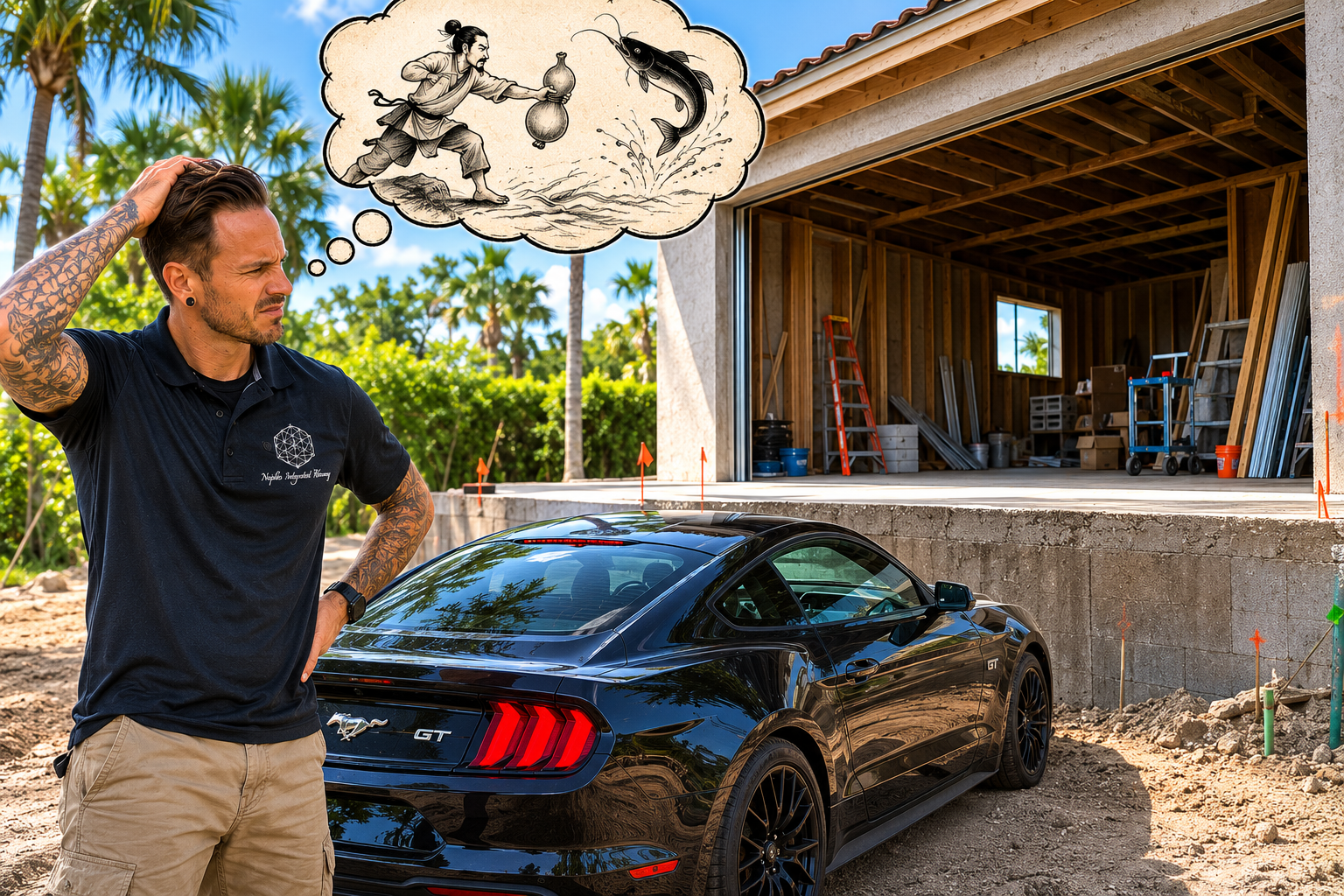
Why do we keep replaying the same argument, searching for better words, or waiting for someone to admit they were wrong? A contractor dispute and two Zen teachings reveal how justified anger can turn into rumination, resentment, and a demand for acknowledgment.
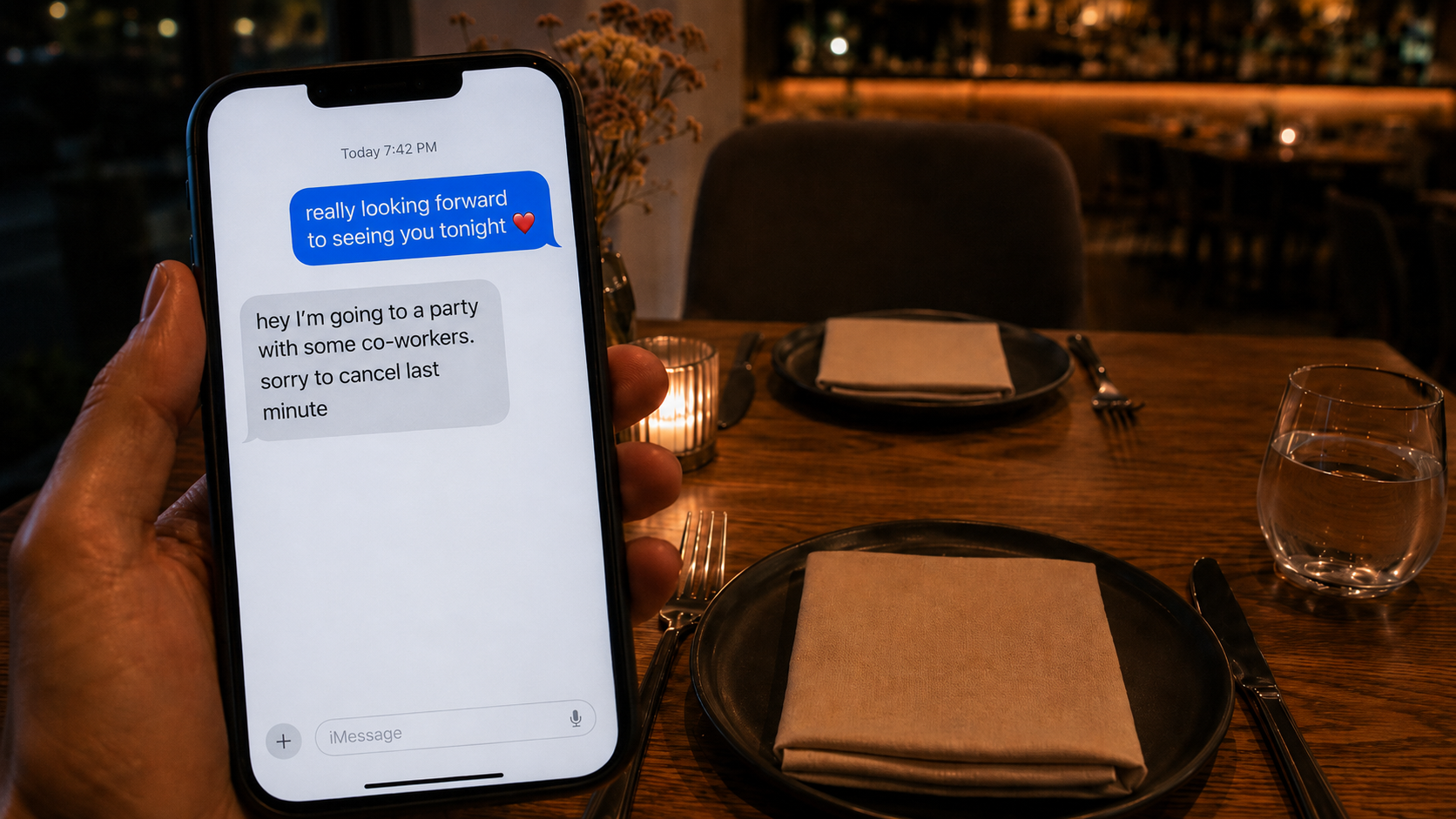
Dating patterns usually begin earlier than the breakup. They begin in the small things we explain away: the canceled plan, the vague answer, the substance pattern, the mismatch we feel and then shame ourselves for noticing. This article looks at the quiet moment where chemistry starts outranking fit, where compassion turns into self-abandonment, and where being chosen starts to matter more than choosing well. The question is simple and uncomfortable: what are you already working around? Naples therapist Brian Granneman LMHC CAP CCTP Naples Integrated Recovery
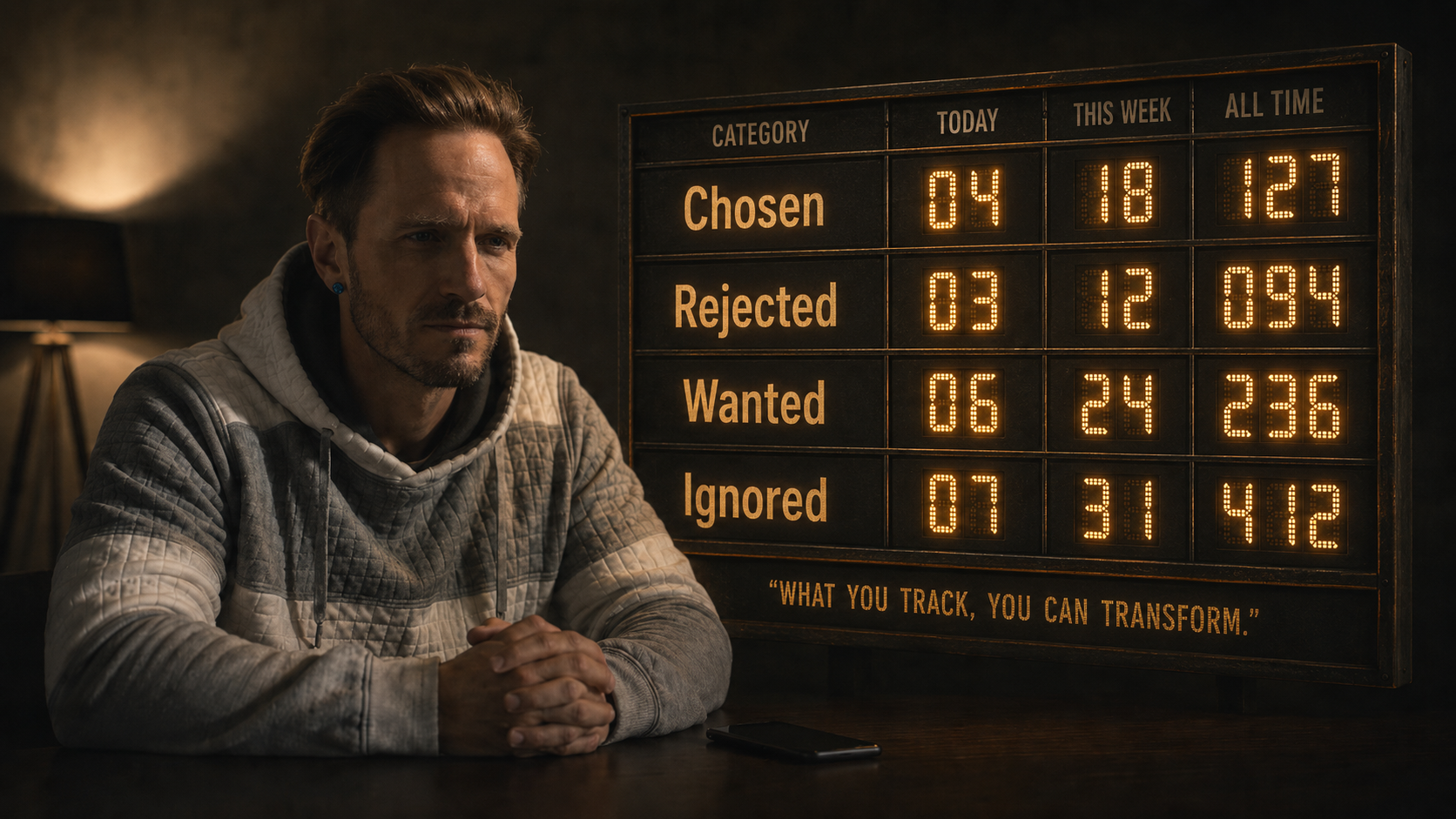
Sexual attention can feel like desire, chemistry, or attraction, but for some people the deeper pull is the need to feel chosen. This article examines how early rejection, social ranking, father dynamics, dopamine, pornography, alcohol, dating apps, and novelty can turn attraction into a scoreboard for worth. The focus is on separating genuine desire from validation-seeking and understanding why being wanted by someone new can become so reinforcing.
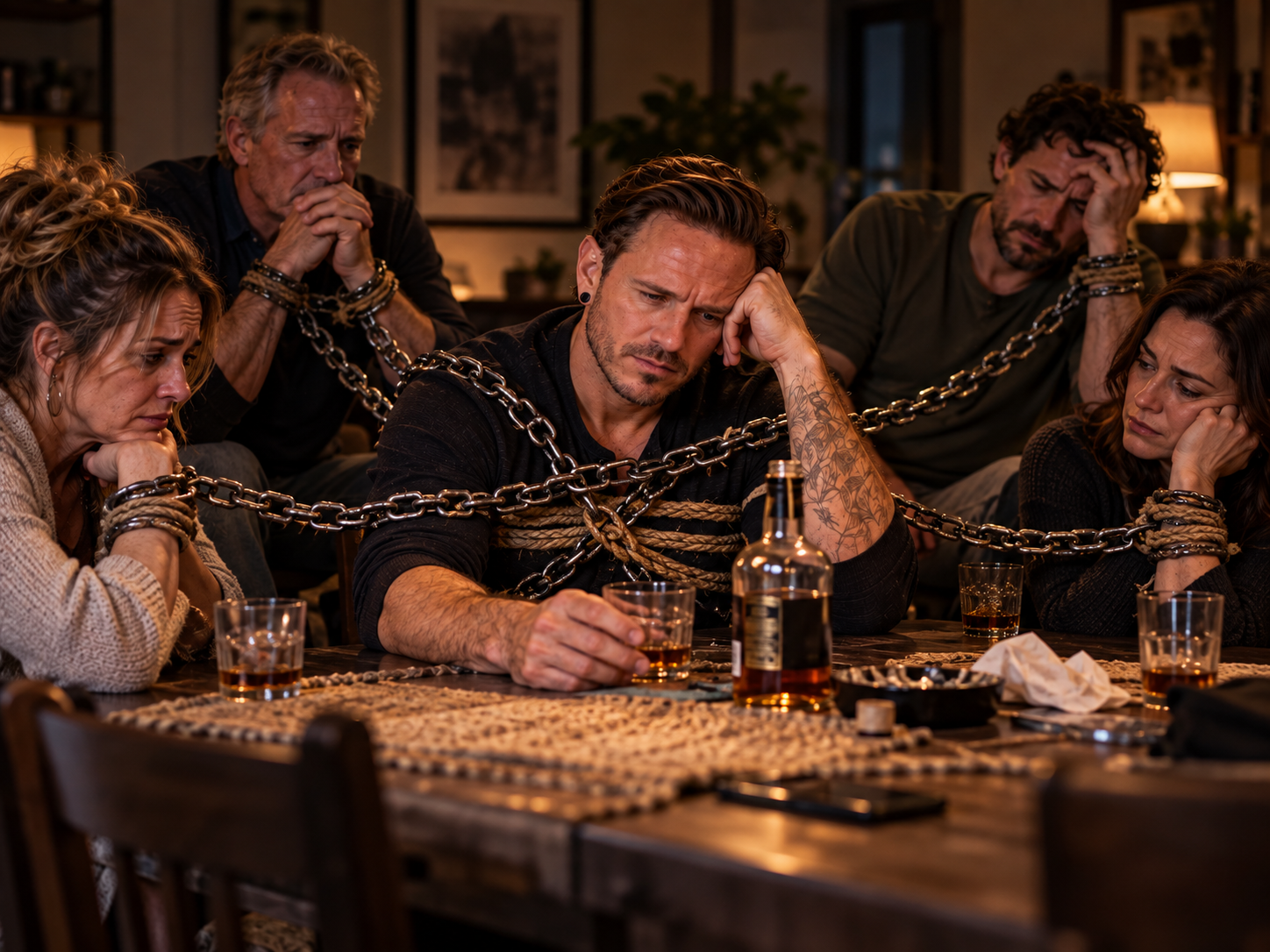
Addiction rarely affects just one person—it reshapes the entire family system. This article explores how roles form, why sobriety doesn’t instantly repair relationships, how rescuing enables dysfunction, and what real recovery requires from partners and adult children. Brian Granneman, LMHC, CAP, CCTP, Naples Integrated Recovery

Oxytocin is often misunderstood as a “love hormone,” but it functions as a powerful attachment system shaped by safety, context, and nervous system regulation. This article explains how bonding, chemistry, and repair work biologically—and why intensity isn’t the same as security in relationships. Brian Granneman, LMHC, CAP, CCTP, Naples Integrated Recovery, LLC

Complex trauma isn’t just about catastrophic events—it’s about chronic emotional misattunement that shapes the nervous system, identity, and adult behavior. This article explores survival roles, shame, and why discipline and insight alone don’t heal what was learned in relationship.
Brian Granneman, LMHC, CAP, CCTP, Naples Integrated Recovery

Revenge in relationships isn’t cruelty—it’s impulse wiring trying to relieve pain fast. This article breaks down toxic revenge behaviors, limbic impulsivity, attachment alarms, and why hurting back often damages the connection we actually want to protect, with clear paths toward interruption and repair.
Brian Granneman, LMHC, CAP, CCTP, Naples Integrated Recovery

Most people don’t struggle in relationships because they’re broken, unlovable, or bad at dating. They struggle because they’re operating from a flawed model of attraction. In this episode, we unpack why authenticity alone doesn’t create healthy love, how attraction often forms around anxiety and deprivation rather than safety, and why chemistry can feel powerful while quietly pulling people toward partners who can’t meet them emotionally.
Brian Granneman, LMHC, CAP, CCTP, Naples Integrated Recovery
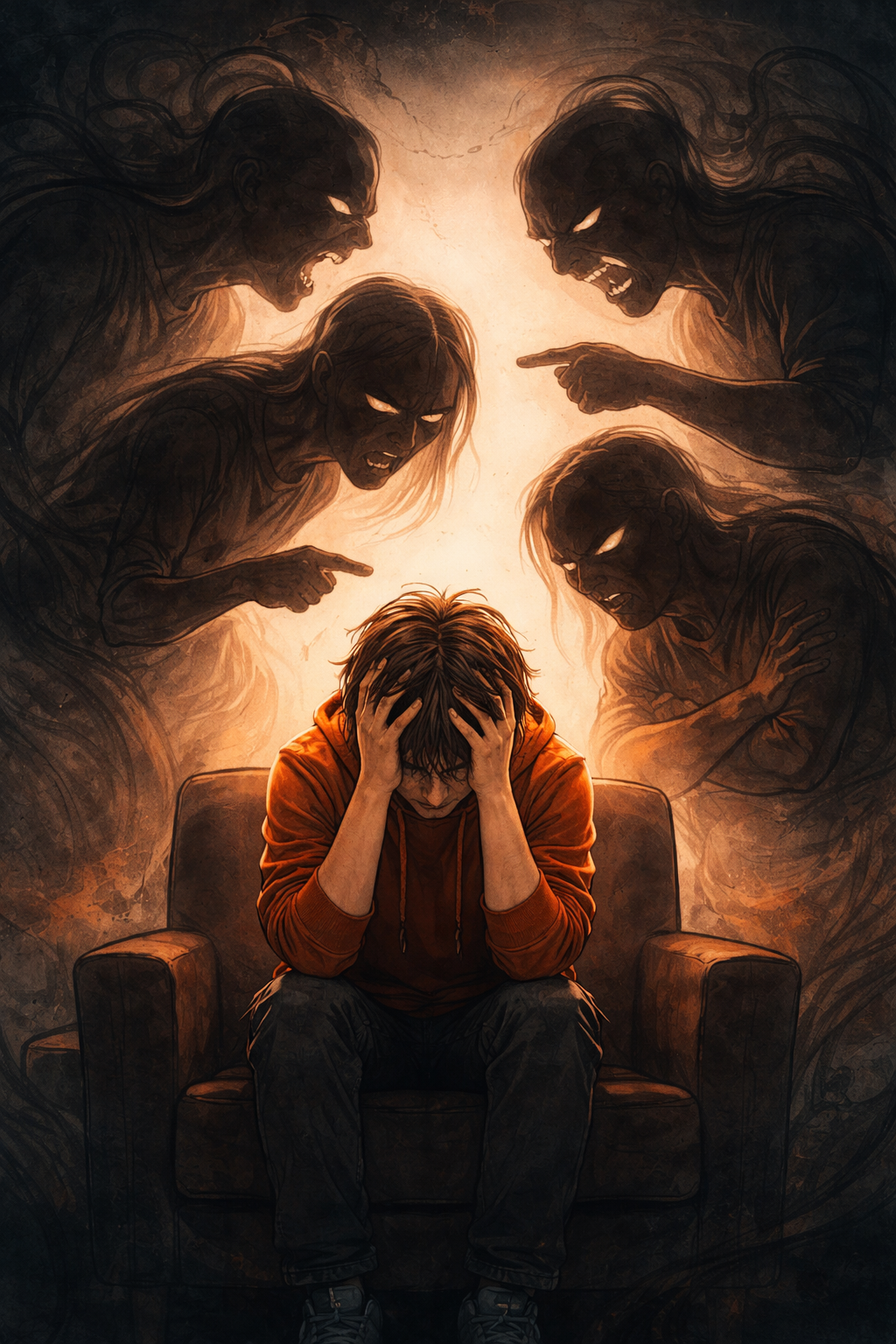
Why people are harsher on themselves than anyone else, how self-criticism functions as a threat response, and what self-compassion actually is—without softness, avoidance, or self-excuse. A grounded, psychologically accurate look at reducing suffering while maintaining responsibility and growth.
Brian Granneman, LMHC, CAP, CCTP, Naples Integrated Recovery

Sexual silence erodes intimacy long before overt conflict appears. This article explores how anxiety—not morality—often drives sexual rules, how unspoken desire fractures connection, and why honest conversation protects relationships more reliably than control, restriction, or avoidance.
Brian Granneman, LMHC, CAP, CCTP, Naples Integrated Recovery

Approval-seeking quietly organizes identity, behavior, and relationships—shaping what people say, hide, and perform to stay connected. This piece examines the “Approval Prison” through an IFS lens, showing how protective parts learn to manage perception for safety, how Self gets buried underneath, and what changes when performance gives way to grounded, self-led presence.
Brian Granneman, LMHC, CAP, CCTP, Naples Integrated Recovery

When a partner pulls away after you spend time with friends, it’s often a jealous shutdown, not indifference. This article explains the attachment and nervous-system dynamics behind silent withdrawal, why it feels punishing, and how couples can repair disconnection without shrinking their lives or escalating conflict.
Brian Granneman, LMHC, CAP, CCTP, Naples Integrated Recovery
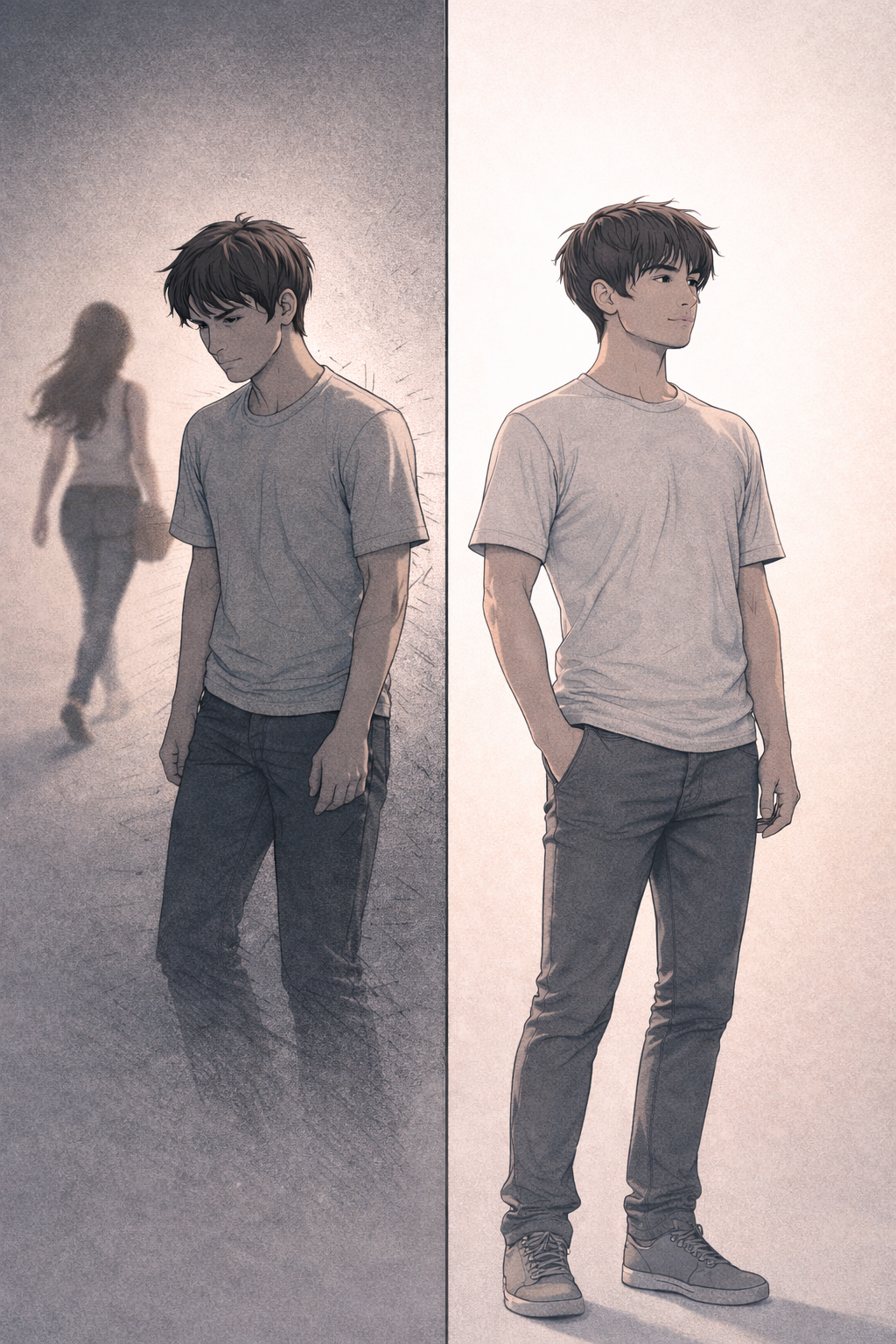
Breakups don’t just hurt—they rewire the nervous system. This article explores attachment loss, grief vs. bargaining, relief vs. healing, and how unresolved endings shape trust, regulation, and patterns in future relationships. Learn what a “clean ending” actually means and how integration builds capacity instead of carrying emotional debt forward.
Brian Granneman, LMHC, CAP, CCTP, Naples Integrated Recovery

The Empty Boat parable teaches us not to take life’s bumps so personally. Sometimes anger arises not from what happens, but from the story we tell ourselves about why it happened. By seeing life’s collisions as drifting boats on the river, we can respond with mindfulness, compassion, and freedom instead of reactivity.

Impermanence shapes every relationship, identity, and stage of life. This article explores why clinging creates suffering, how to honor past versions of yourself without shame, and what it means to choose love and commitment in the present moment rather than chasing permanence.
Brian Granneman, LMHC, CAP, CCTP, Naples Integrated Recovery

Intimate relationships activate the nervous system faster than logic. This article explains why partners trigger each other so intensely, how attachment patterns and negativity bias shape conflict, and why structure, repair, and reassurance—not insight alone—create real relational safety. Brian Granneman, LMHC, CAP, CCTP, Naples Integrated Recovery

A reflection on outgrowing the structures that once held you together — recovery frameworks, identities, relationships, or belief systems — and learning to let go without shame. A grounded look at growth, differentiation, and honoring what carried you without staying confined to it.
Brian Granneman, LMHC, CAP, CCTP, Naples Integrated Recovery
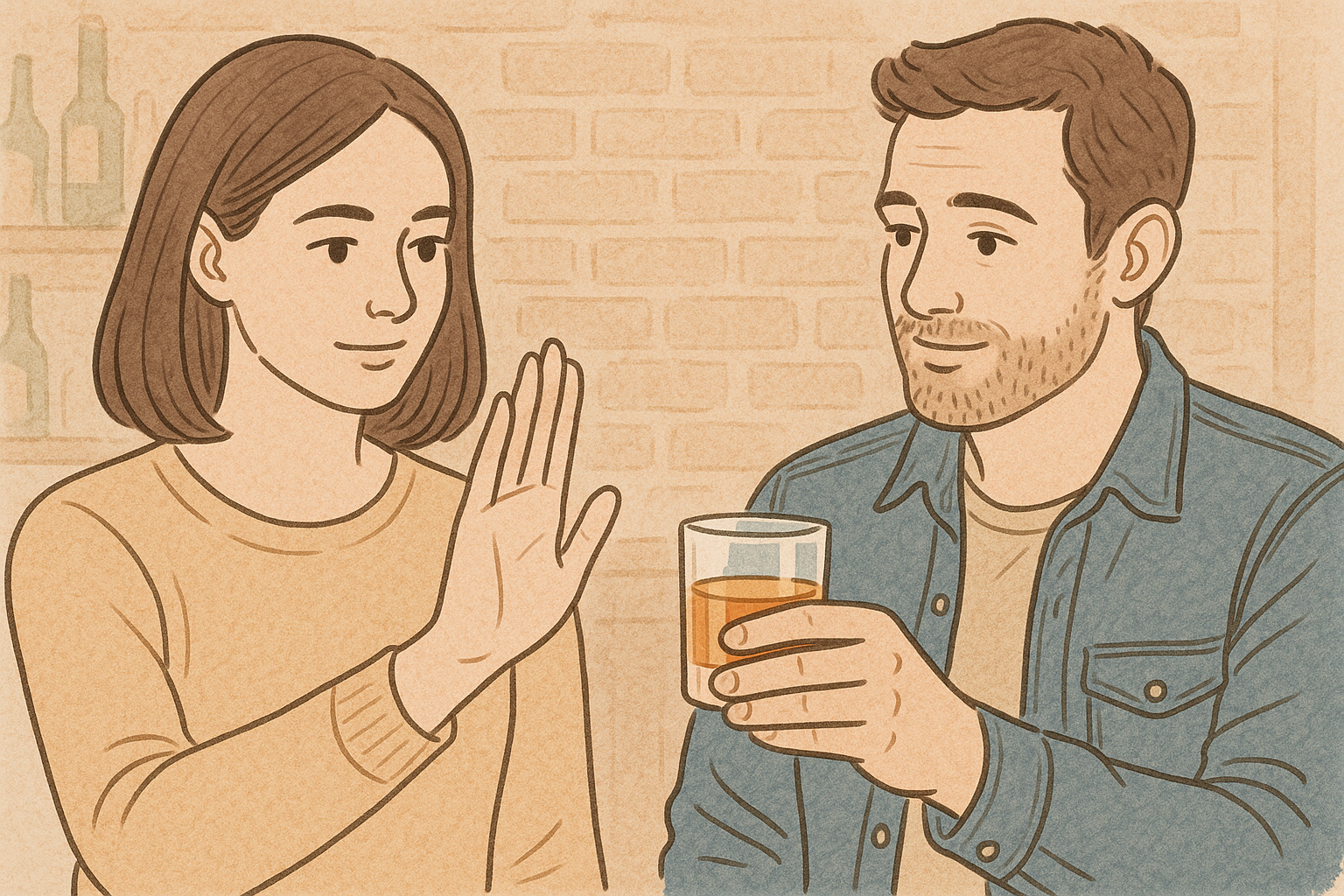
A grounded look at resisting pressure—why people cave, how oversensitivity to shame drives people-pleasing, and the practical habits that build backbone without becoming rigid. A Stoic, real-world guide to setting boundaries with clarity and tact.
Brian Granneman, LMHC, CAP, CCTP, Naples Integrated Recovery.

Adult friendships change because the conditions that once made connection effortless—proximity, timing, and energy—shift as life evolves. This article explains why friendships fade, why it’s rarely personal, and how to stop misinterpreting normal drift as rejection while building healthier, more intentional adult relationships. Brian Granneman LMHC, CAP, CCTP Naples Integrated Recovery
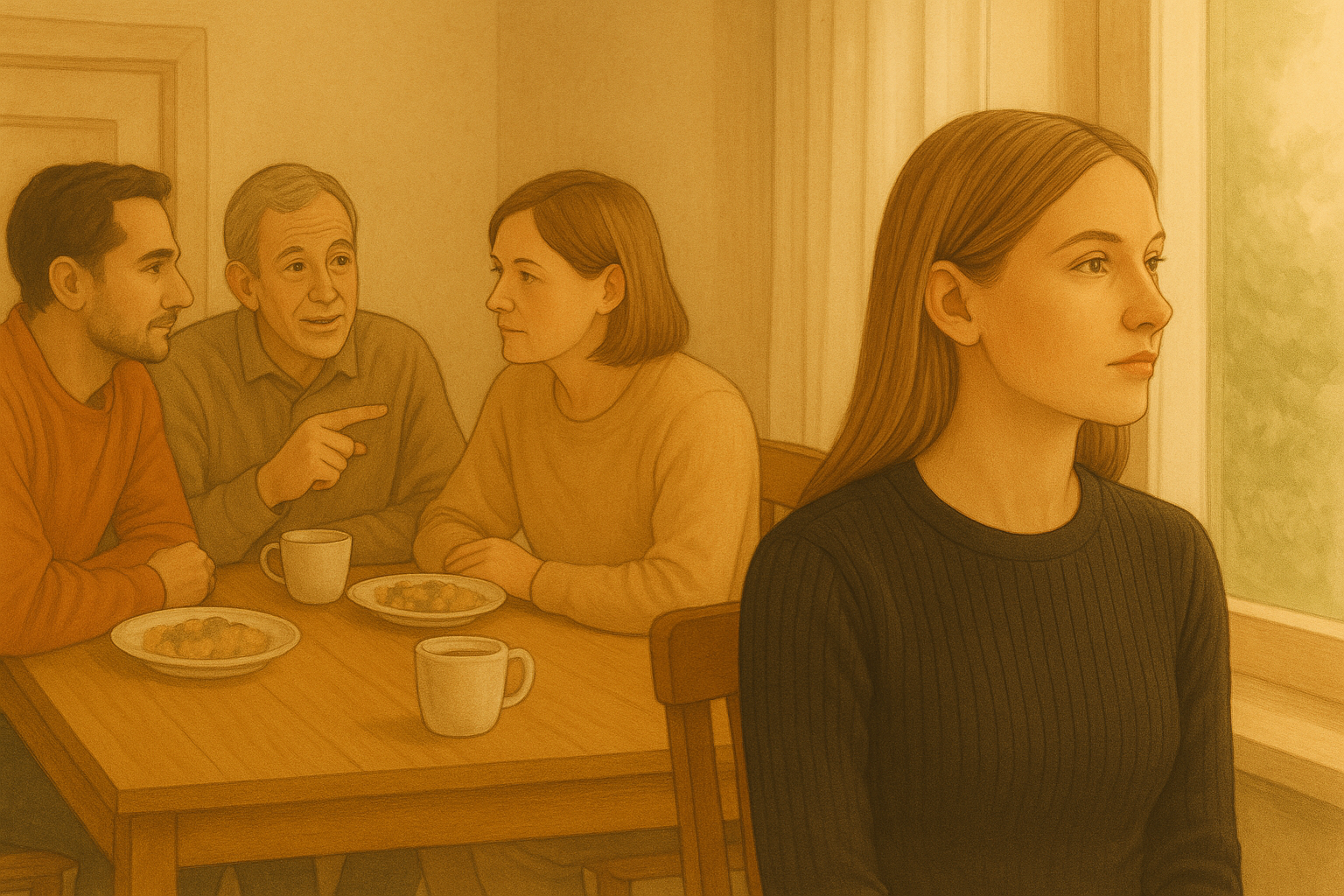
Learn how differentiation and emotional maturity can transform family relationships. This post explores how to love difficult people without losing yourself—balancing compassion with boundaries, calm with clarity, and connection with individuality. Featuring insights on Stoicism, “Let Them” mindset, and family systems. Brian Granneman, LMHC, CAP, CCTP Naples Integrated Recovery
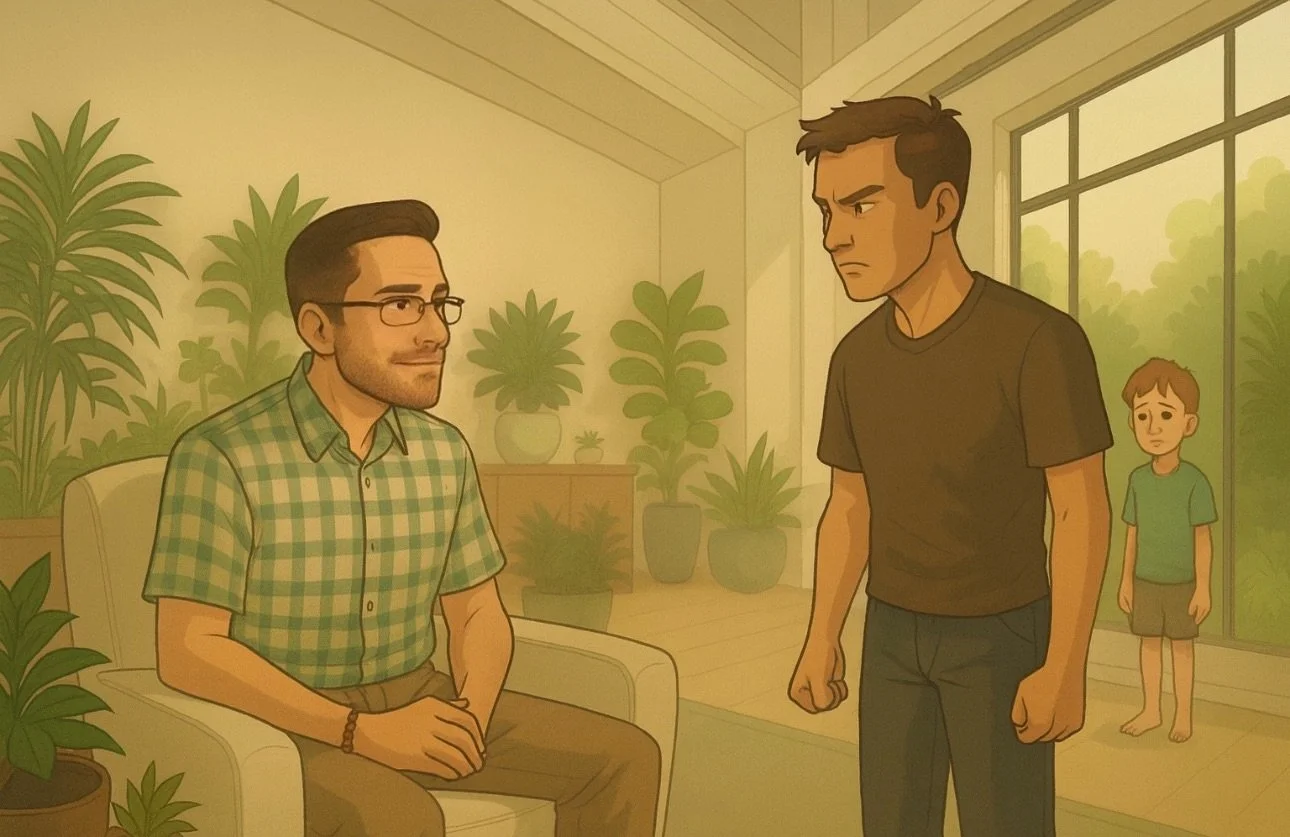
Being seen is one of the most powerful forces in healing. This article explores how trauma, disconnection, and emotional neglect shape us—and how genuine presence, curiosity, and connection can rewire safety and belonging. For anyone craving authenticity, empathy, and real human connection. Brian Granneman, LMHC, CAP, CCTP, Naples Integrated Recovery
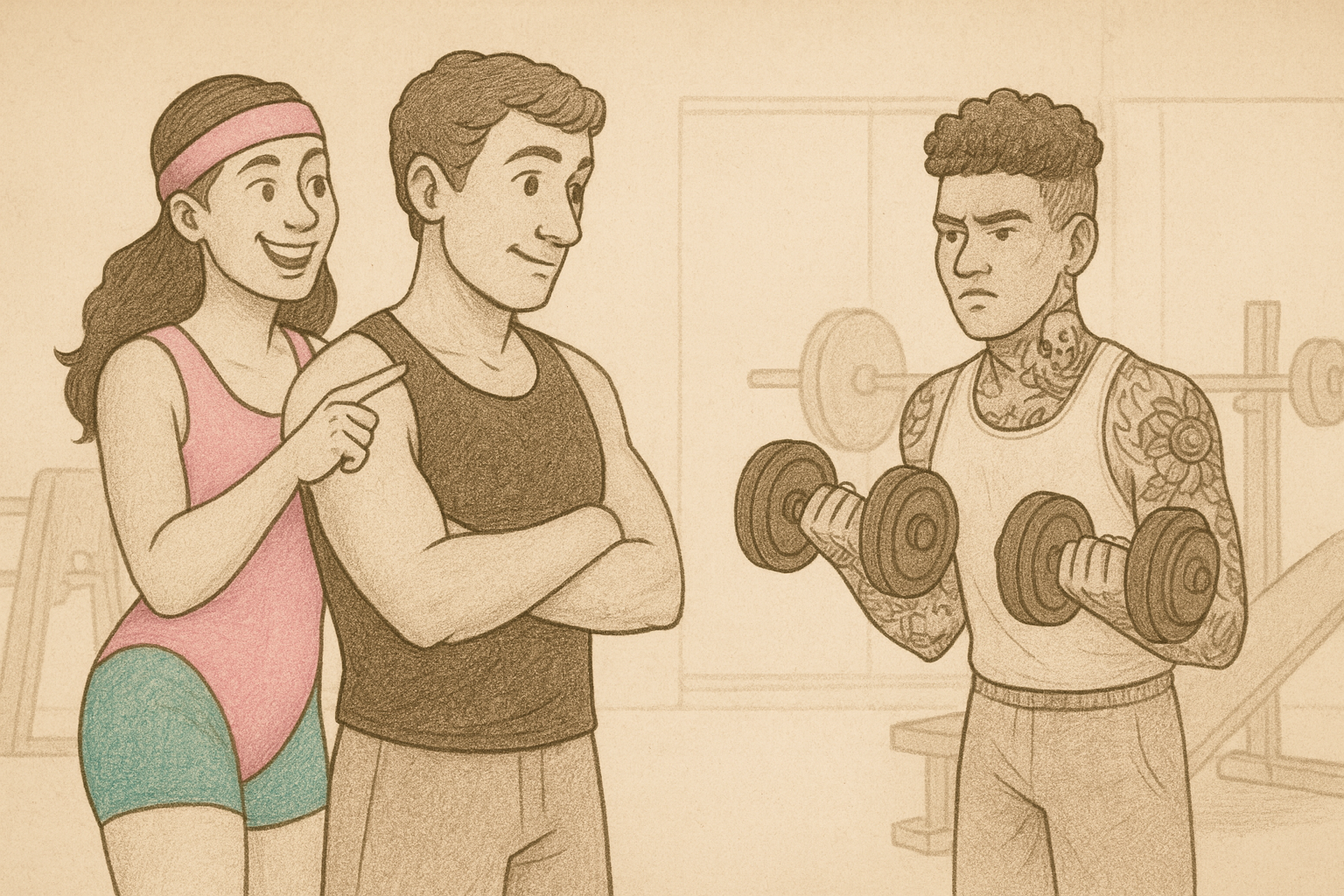
How attraction, attachment, and evolution intertwine. Why we’re drawn to certain partners, how our nervous system shapes love and conflict, and what it means to outgrow familiar chemistry for genuine connection. Learn how biology, projection, and regulation all shape the way we love. Brian Granneman, LMHC, CAP, CCTP