

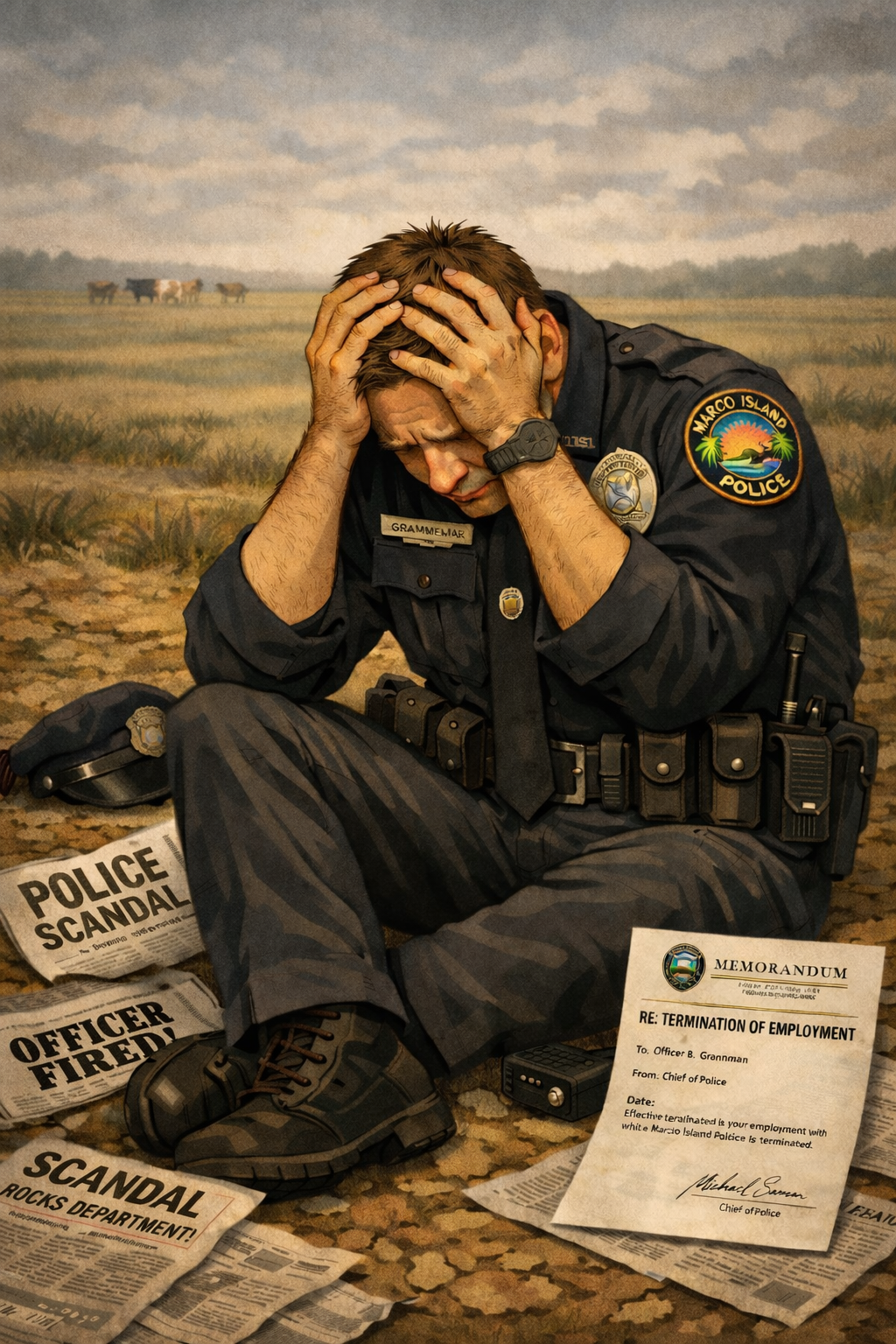
No Cows, No Problems: Adaptation After Loss
This article uses the parable of the lost cows to examine how identity, attachment, and public loss intensify suffering. It explores career collapse, humiliation, and why adaptation begins only when resistance to reality stops, reframing non-attachment as identity flexibility rather than detachment.
Brian Granneman, LMHC, CAP, CCTP, Naples Integrated Recovery,

Why Most Therapy Fails to Touch the Real Problem
Why therapy often fails to create real change: it treats symptoms while avoiding the deeper human pressures beneath anxiety, addiction, trauma, and relationship distress. This article explains how healing comes from building capacity for responsibility, uncertainty, and engagement—not comfort or reassurance.
Brian Granneman, LMHC, CAP, CCTP, Naples Integrated Recovery

Why Groups Help People Change More Than 1-on-1 Therapy
Group therapy, recovery meetings, and peer support groups create powerful change because relational patterns are exposed in real time. This article explores why environments like Alcoholics Anonymous and therapy groups often accelerate growth, reduce shame, and help people practice new ways of relating.
Brian Granneman, LMHC, CAP, CCTP, Naples Integrated Recovery

Pleasure Isn’t the Point: Why Addiction Is About Seeking, Not Enjoyment
Addiction isn’t about pleasure—it’s about relief, regulation, and nervous system survival. This article explains why compulsive behavior persists long after pleasure fades, how avoidance and emotional pain drive use, and what actually supports lasting change beyond willpower or shame.
Brian Granneman, LMHC, CAP, CCTP, Naples Integrated Recovery

How self Limiting Beliefs Lock in Your Life
Self-limiting beliefs rarely sound negative—they sound realistic, responsible, and mature. This article breaks down how “I’m just being realistic” quietly caps identity, protects outdated self-concepts, and shrinks behavior through fear and half-commitment, showing how identity actually changes through action, exposure, and nervous-system recalibration.
Brian Granneman, LMHC, CAP, CCTP, Naples Integrated Recovery

Toxic Revenge, Impulse Wiring, and Why We Keep Hurting the People We Love
Revenge in relationships isn’t cruelty—it’s impulse wiring trying to relieve pain fast. This article breaks down toxic revenge behaviors, limbic impulsivity, attachment alarms, and why hurting back often damages the connection we actually want to protect, with clear paths toward interruption and repair.
Brian Granneman, LMHC, CAP, CCTP, Naples Integrated Recovery

Nighttime Rumination, Nervous System Overdrive, and Why Sleep Feels Like a Fight
Nighttime rumination isn’t anxiety or overthinking—it’s a nervous system stuck in vigilance. This article explains why sleep feels like a fight, how daytime overload drives nighttime mental spirals, and what actually helps the body stand down without force or suppression.
Brian Granneman, LMHC, CAP, CCTP, Naples Integrated Recovery

Why Authenticity Isn’t Enough to Find Healthy Love
Most people don’t struggle in relationships because they’re broken, unlovable, or bad at dating. They struggle because they’re operating from a flawed model of attraction. In this episode, we unpack why authenticity alone doesn’t create healthy love, how attraction often forms around anxiety and deprivation rather than safety, and why chemistry can feel powerful while quietly pulling people toward partners who can’t meet them emotionally.
Brian Granneman, LMHC, CAP, CCTP, Naples Integrated Recovery

Why We’re So Harsh on Ourselves — And What Self-Compassion Actually Is
Why people are harsher on themselves than anyone else, how self-criticism functions as a threat response, and what self-compassion actually is—without softness, avoidance, or self-excuse. A grounded, psychologically accurate look at reducing suffering while maintaining responsibility and growth.
Brian Granneman, LMHC, CAP, CCTP, Naples Integrated Recovery

When “Healthy” Relationships Go Quiet: Sex, Silence, and the Erosion of Intimacy
Sexual silence erodes intimacy long before overt conflict appears. This article explores how anxiety—not morality—often drives sexual rules, how unspoken desire fractures connection, and why honest conversation protects relationships more reliably than control, restriction, or avoidance.
Brian Granneman, LMHC, CAP, CCTP, Naples Integrated Recovery