

Hey there, I’m Brian.
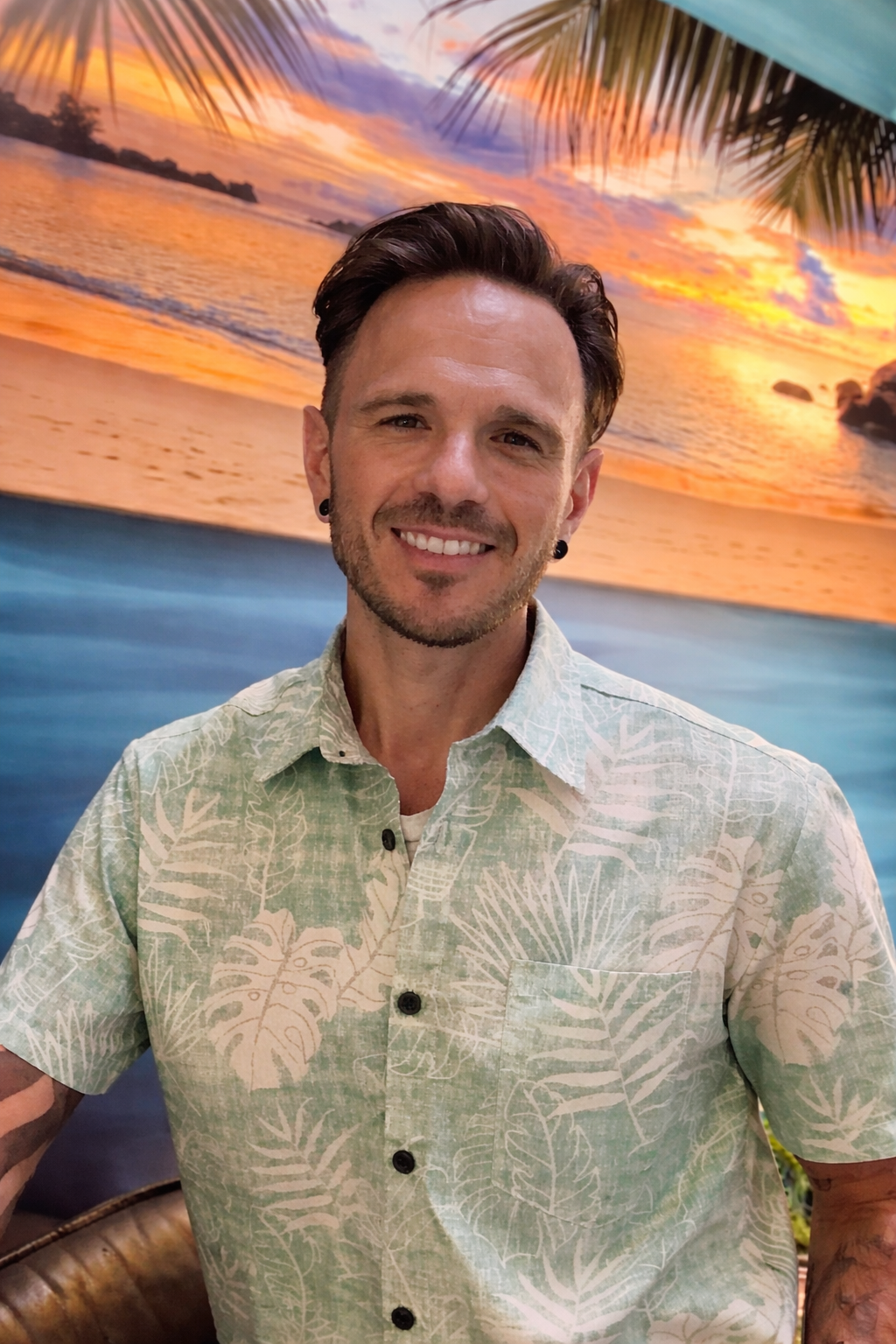
Helping people work through what they have been carrying privately.
Brian Granneman · LMHC · CAP · CCTP
I’m a Licensed Mental Health Counselor, Certified Addiction Professional, and Certified Clinical Trauma Professional. My work focuses on trauma, addiction recovery, relationship patterns, anxiety, shame, depression, emotional reactivity, and the repetitive cycles people often understand intellectually and still struggle to change.
I work with adults, couples, families, professionals, helpers, and people who have become very good at functioning while something underneath keeps costing them.
Who I Often Work With
Capable people can carry a lot without anyone seeing it.
Many of the people I work with are used to being dependable. They may be professionals, clinicians, first responders, business owners, parents, partners, or the person everyone else calls when something goes wrong.
They keep showing up while carrying grief, trauma, addiction patterns, anger, resentment, fear, shame, relationship pain, or a growing sense that their life has become too narrow.
The work begins with honesty without humiliation. We look directly at what keeps repeating, understand what built the pattern, and develop a different way of responding to yourself, your past, your choices, and the people who matter to you.
Part of My Journey
The route into this work was personal.
I spent 12 years in law enforcement, working in patrol, traffic, investigations, and field supervision. During those same years, alcohol was steadily taking over my life.
At 34, I made two of the hardest calls of my life. I called my mom, who had spent years tearfully watching my drinking get worse while I kept trying and failing to change it. Then I called my police chief and told him I couldn’t stop and needed outside help. That same day, I entered treatment.
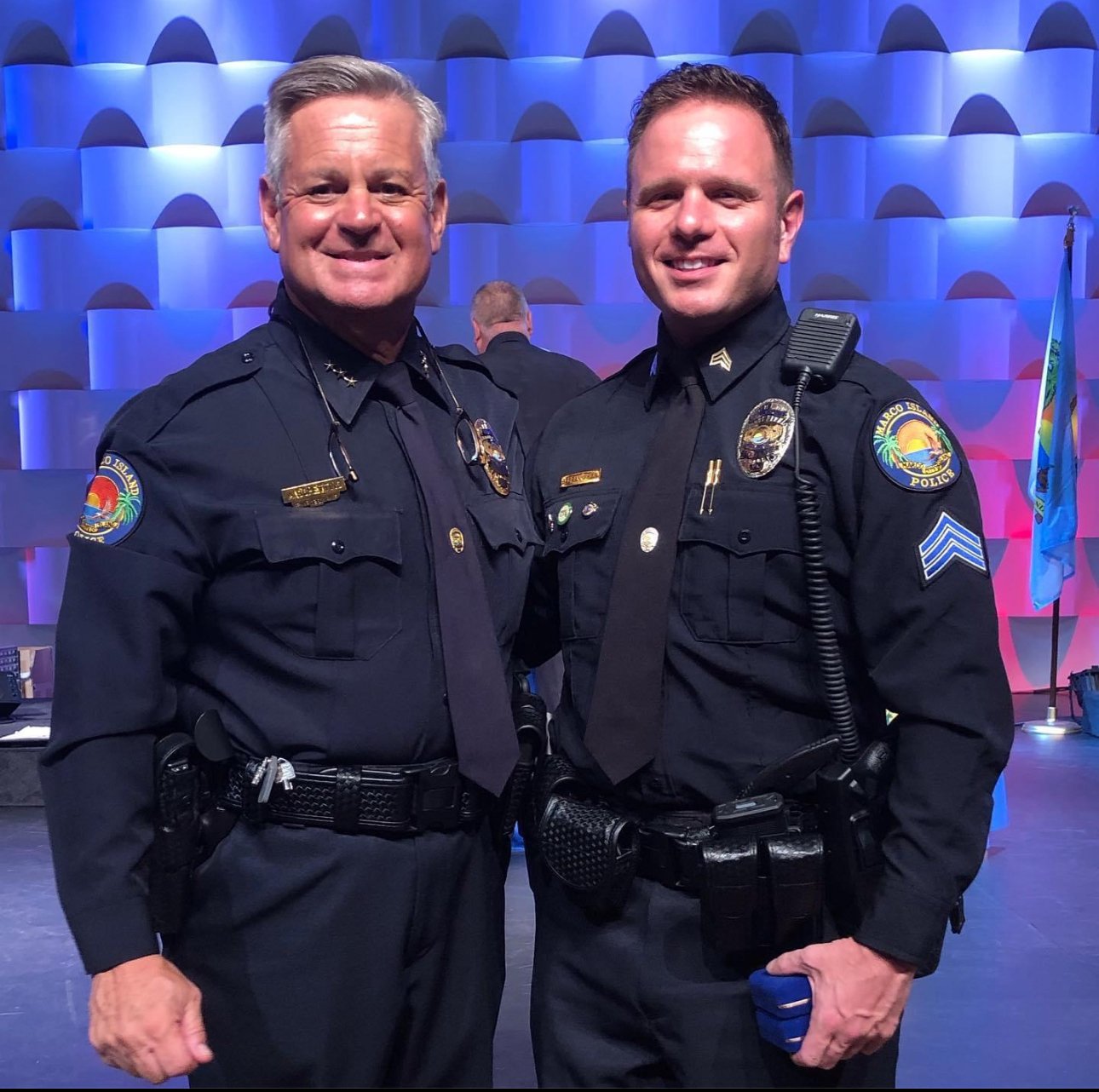
Within a week of returning from treatment, I was demoted and placed under the supervision of a former peer in whom I had little confidence as a supervisor. It was professionally degrading and deeply humiliating, especially while I was trying to regain my footing in early recovery.
Until then, my personnel file reflected a career marked by positive evaluations, awards, and commendations. About a month later, a new police chief who had formed an opinion of me before ever really knowing me terminated me—oddly enough, for reasons unrelated to my drinking.
My recovery began through two separate collapses. The first was alcohol-driven and led me into treatment. The second unfolded in sobriety as I was demoted and then lost the career that had organized my life until that point. I had almost no sense of who I was without the badge, the role, the structure, or the life I had built around them. I was left facing overwhelming pain and forced to confront the experiences, beliefs, and emotions I had spent decades avoiding. I felt crushed from every direction and was faced with collapse or rebuild.
Rebuilding meant creating a new life and, in many ways, a completely new identity. Treatment changed the direction of my career. I experienced what skilled counseling could accomplish when I became honest about what was happening, accepted responsibility for what came next, and allowed other people to help me through it.

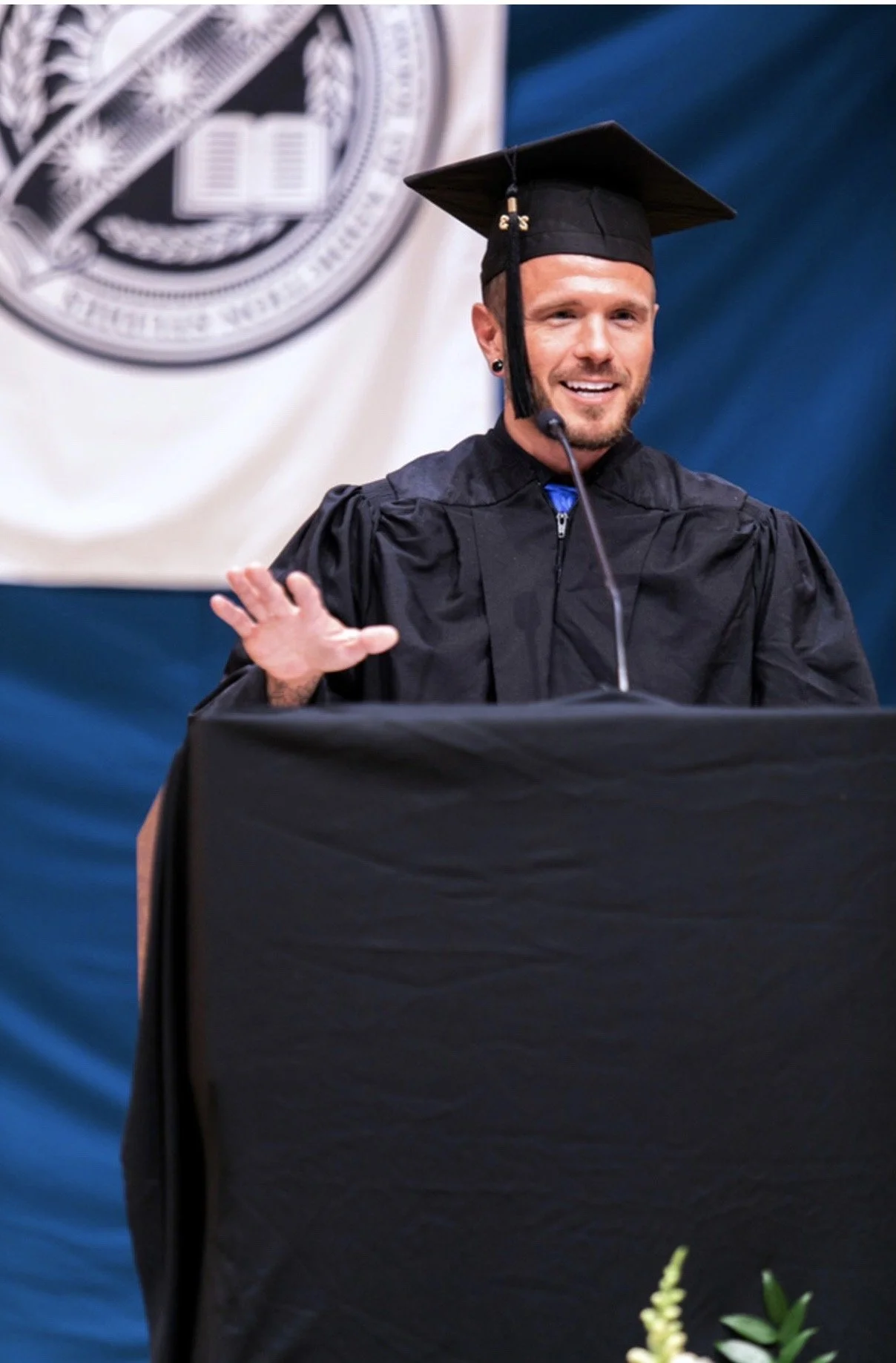
Despite carrying a deeply rooted belief that I was not smart enough for graduate school, I went back to school and earned a master’s degree in Addiction Counseling: Integrated Recovery for Co-Occurring Disorders from the Hazelden Betty Ford Graduate School of Addiction Studies.
The degree extended well beyond addiction itself. The program focused on trauma, anxiety, depression, family and relationship dynamics, and the underlying patterns that can drive substance use and other ways people cope with pain, fear, shame, or emotional distress. We learned to treat the whole pattern rather than focusing only on the behavior that had become most visible.
I graduated with a 4.0 GPA, received the Chief Academic Officer’s Award of Excellence, served as the student-elected cohort representative, and delivered the keynote address at commencement. That experience became another part of rebuilding my identity and challenging beliefs about myself that I had carried for years without ever seriously testing.
After law enforcement, I worked in child protective investigations, community mental health, and addiction treatment before moving into private practice. Those settings gave me a close view of crisis, family systems, trauma, resistance, recovery, and the ways people can keep functioning while their lives become increasingly difficult to manage.
My lived experience informs how I work without making the session about me. I understand addiction, shame, resistance, consequences, rebuilding, and the distance between understanding a pattern and actually changing it.
How I Work
Direct, steady, and focused on what changes your life outside the room.
We figure out the pattern, look at what it is costing you, and decide what needs to change. That includes the triggers, beliefs, relationship dynamics, habits, and protective strategies that keep producing the same outcome.
Even destructive patterns usually developed for a reason. Understanding that reason gives us leverage. It also keeps the work from turning into shame, excuses, or endless analysis.
Clients tend to experience me as calm, direct, and difficult to shock. When something needs to be challenged, we challenge it. When something needs to be slowed down and understood, we slow it down.
Therapy becomes useful when you can make a different move under pressure, repair what can be repaired, tolerate what cannot be controlled, and stop abandoning yourself in familiar ways.
What That Means in Session
You do not have to perform wellness in the therapy room.
You can bring in the part you are proud of, the part you are embarrassed by, the part that knows exactly what to do, and the part that keeps doing the opposite. The work can hold all of that without turning you into a diagnosis or a project.
I will listen carefully, tell you what I am seeing, and help keep the conversation connected to the life you are trying to build. I will also point out the places where avoidance, control, resentment, fear, or self-protection are keeping the same problem alive.
The goal is greater freedom in how you respond. That takes understanding, practice, accountability, and enough self-respect to stop repeating what you already know is hurting you.
Beyond the therapy room.
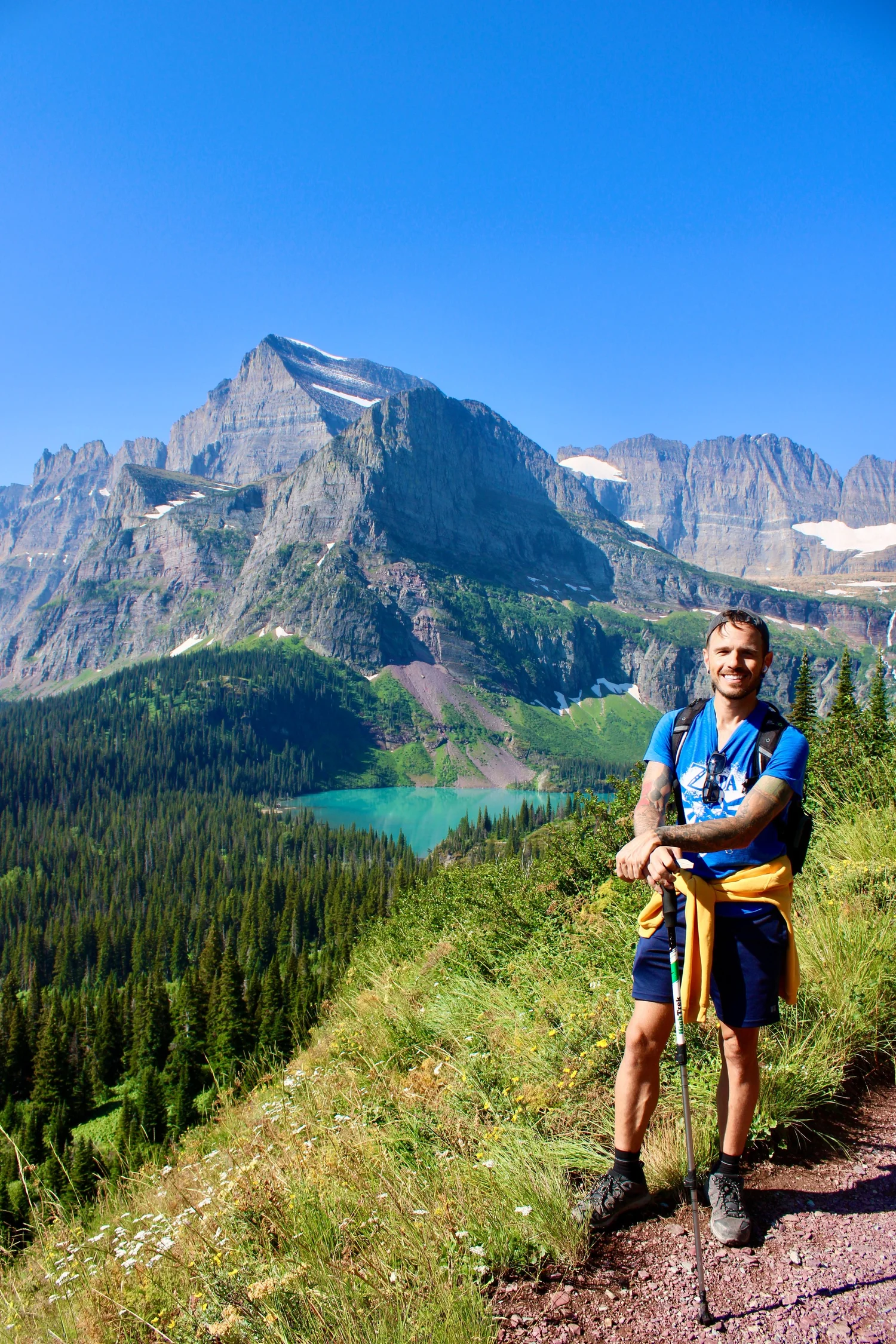
When I am away from work, I enjoy playing music, gardening, exercising, hiking, traveling, reading, and spending time with my partner and our pets.
I remain involved in peer-led recovery communities and continue doing my own work. Recovery and self-development have taken me through different communities and practices over the years, including mindfulness and Buddhist approaches that emphasize awareness, responsibility, and a less shaming relationship with being human.
That commitment to my own continued growth also informs Doing The Work, my podcast about the patterns, relationships, recovery questions, and uncomfortable parts of actually changing a life.
I value a life with room for discipline, humor, curiosity, rest, relationships, and experiences that pull me out of routine. Therapy should help create more of that kind of life rather than becoming another place to endlessly analyze yourself.
Connect or Schedule
Take the next step that makes sense for you.
Schedule through the secure client portal, connect with me professionally on LinkedIn, or listen to Doing The Work.